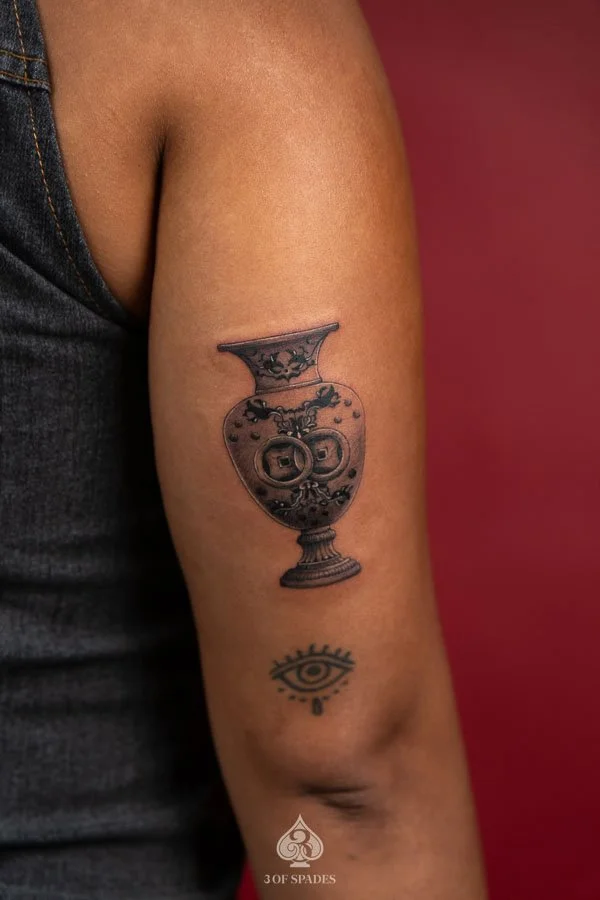
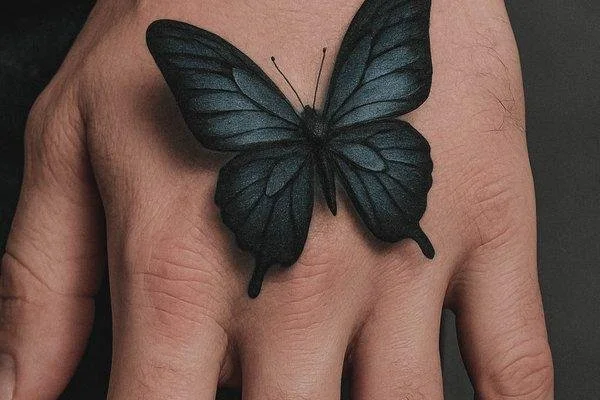
Imagine a butterfly that looks as though it has just landed on your arm. A realistic eye that appears to look directly out of your skin. Or a mechanical design that creates the illusion of gears hidden beneath the surface. These are the fascinating possibilities of a 3D Realism Tattoo.
Unlike conventional tattoo designs that appear as illustrations on the skin, 3D tattoos use perspective, shading, contrast and carefully positioned highlights to create the illusion of depth.
Some designs appear to rise above the body. Others seem to sink into it, revealing imaginary layers beneath the skin. The result can be playful, surreal, dramatic or remarkably lifelike.
But creating a convincing optical illusion requires more than adding a shadow beneath an image. The artist must understand how light behaves, how objects occupy space and how the design interacts with the natural curves of the body.
In this guide, we’ll explore the artistic principles behind 3D realism, popular tattoo designs, optical illusion techniques, suitable placements and what to consider before getting one.
What Is a 3D Realism Tattoo?
A 3D Realism Tattoo is a tattoo designed to create the visual impression of three-dimensional depth on the skin.
Although the tattoo itself is essentially a two-dimensional image, the artist uses visual cues that make the subject appear to have height, volume or physical space.
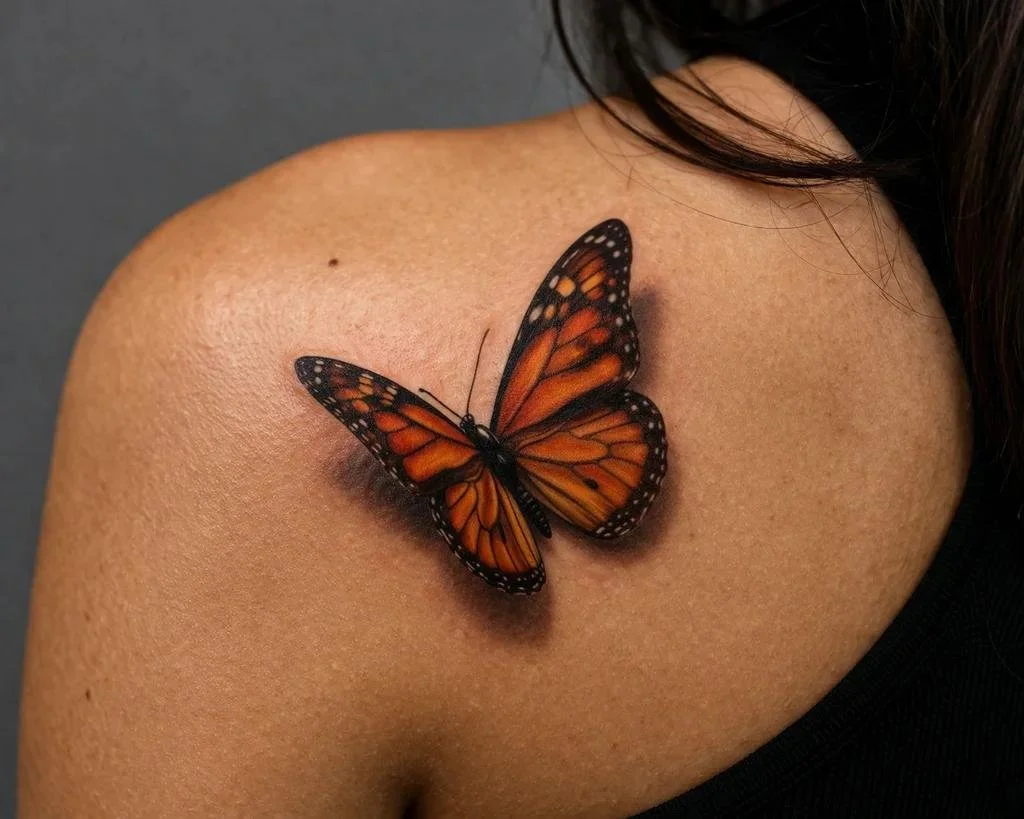
A 3D tattoo may appear to:
• Float above the skin
• Rest naturally on the body
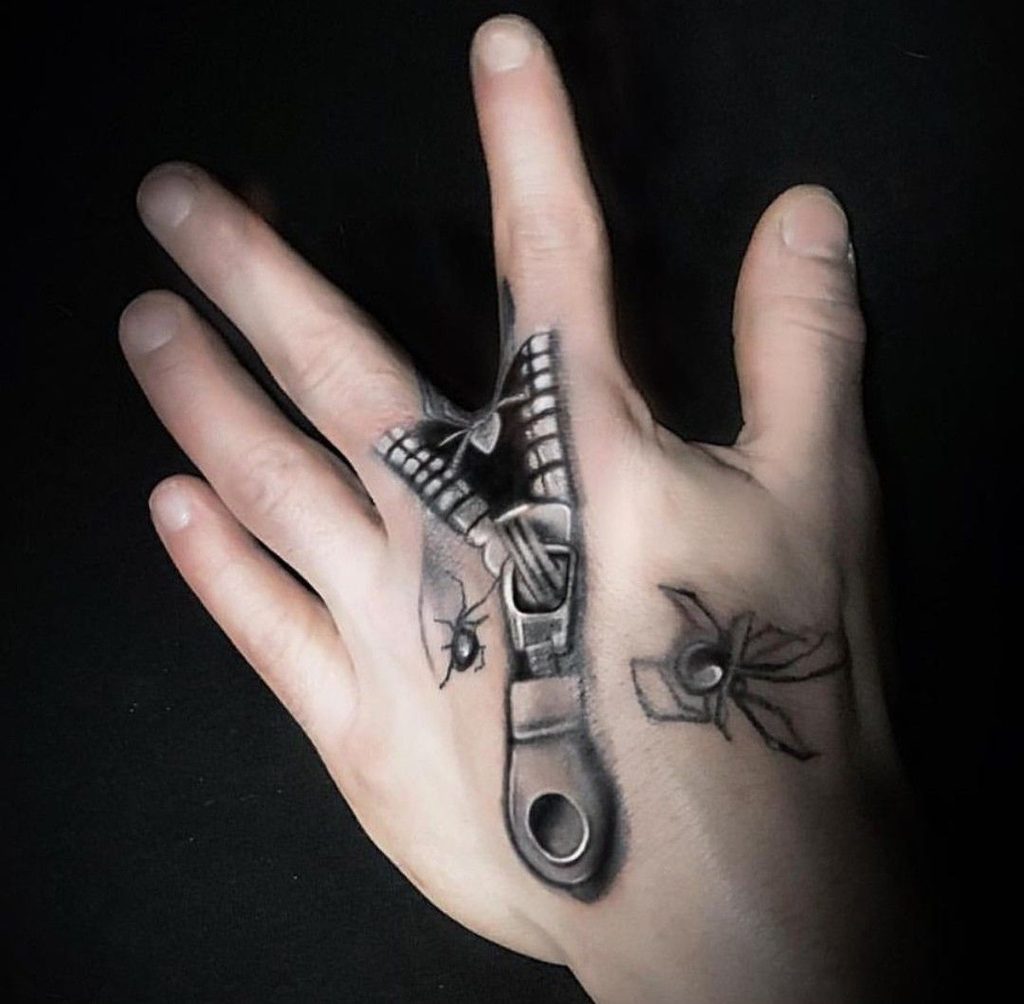
• Create an opening beneath the skin
• Reproduce a realistic object with depth
• Show mechanical structures inside an imaginary opening
• Distort the appearance of the body’s surface
The effect relies on the same visual principles used in realistic painting, illustration and photography. However, a tattoo adds another challenge: the image must work on a curved, moving surface rather than a flat canvas.
Is 3D tattooing a separate tattoo style?
3D tattooing is better understood as a visual approach rather than a completely separate artistic tradition. It can overlap with:
• Black and grey realism
• Color realism
• Hyperrealism
• Surrealism
• Biomechanical tattooing
• Optical illusion art
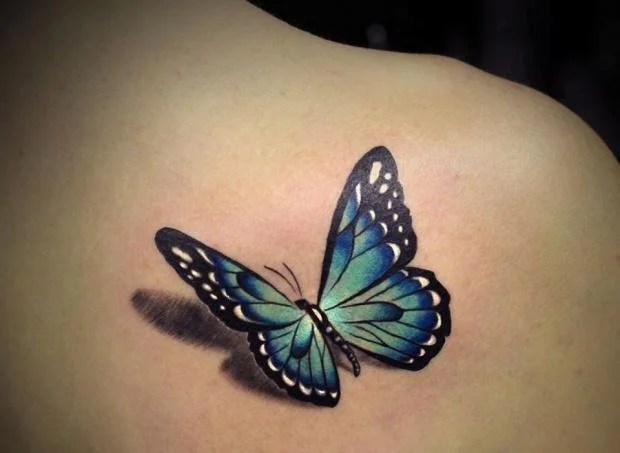
For example, a realistic butterfly tattoo may become a 3D design when the artist adds a convincing cast shadow beneath its wings.
Similarly, a biomechanical tattoo may use realistic shading to suggest mechanical structures underneath the skin. The defining feature is the illusion of physical depth.
How Do 3D Realism Tattoos Create Optical Illusions?
A convincing 3D tattoo depends on how the human eye interprets light, perspective and spatial relationships. Artists use several techniques to create this effect.
1. Light and Shadow
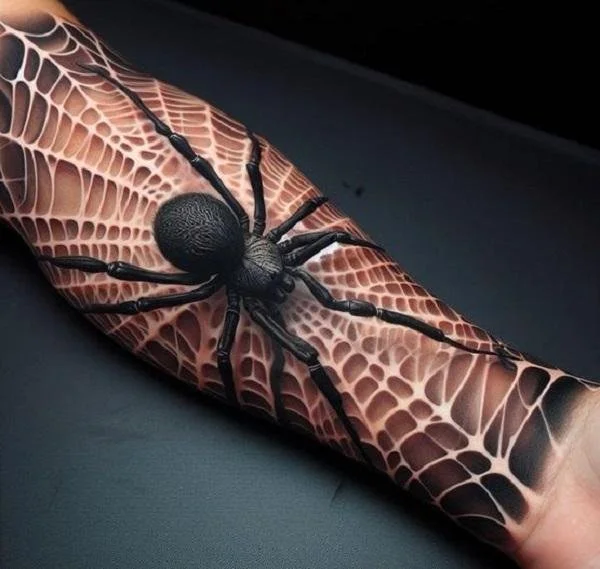
Light and shadow are among the most important elements of three-dimensional realism. When an object sits above a surface, it may cast a shadow. By recreating that shadow in the tattoo, the artist can make a flat image appear elevated.
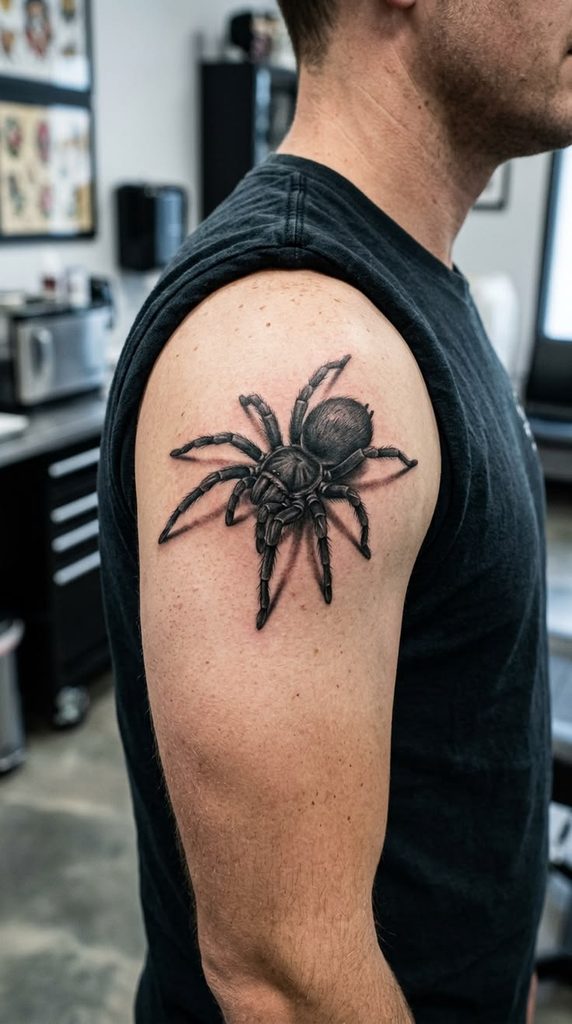
For example, a spider tattoo with a carefully positioned shadow may look as though the spider is standing on the skin. The shadow’s direction, shape and softness must be consistent with the imagined light source. Otherwise, the illusion may appear unnatural.
2. Highlights and Reflections
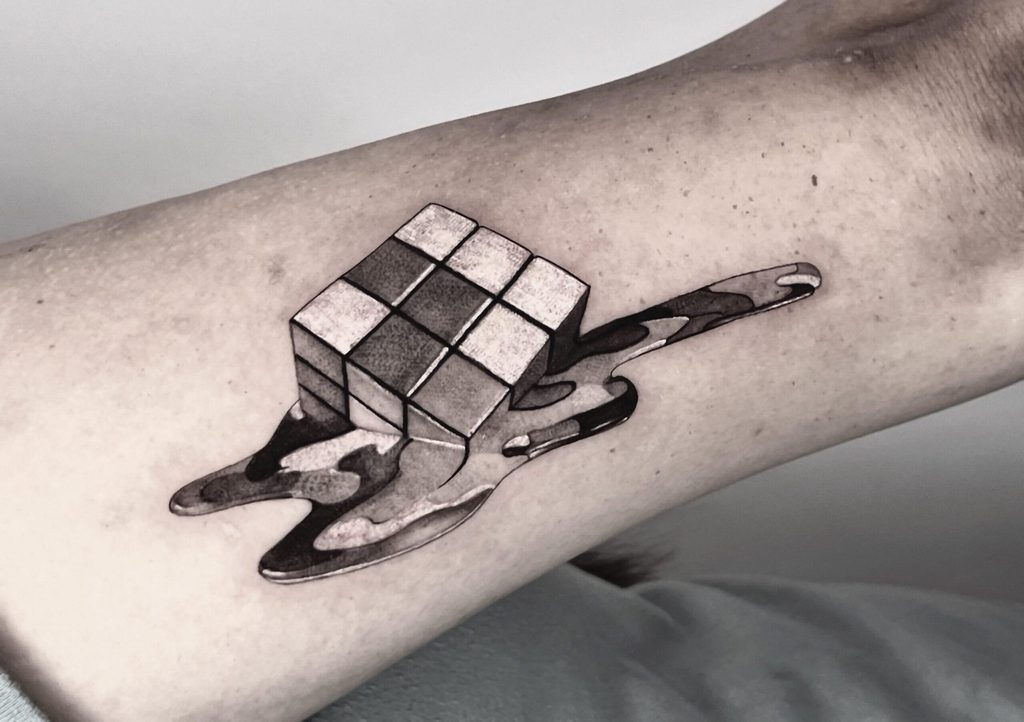
Highlights show where light strikes a surface. On reflective objects such as metal, glass or water, highlights may appear sharp and bright.
On softer surfaces such as skin or flower petals, they tend to be more gradual. Artists often use natural skin as negative space for highlights, although selective white ink may also be used. Carefully planned reflections can make a tattoo appear glossy, metallic or wet.
3. Perspective and Foreshortening
Perspective helps create the impression that objects extend into or away from space. Foreshortening occurs when parts of an object appear shorter because they point toward or away from the viewer.
For example, a 3D staircase tattoo may use converging lines to suggest depth beneath the skin. A realistic hand reaching outward may use exaggerated perspective to appear closer to the viewer.
4. Contrast and Depth
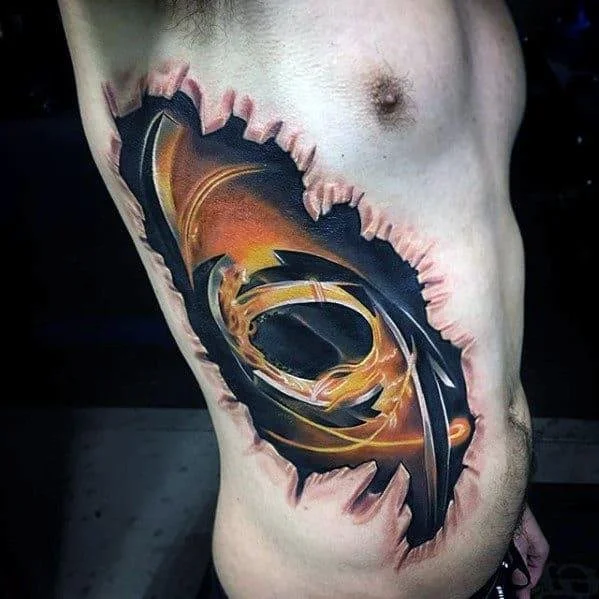
Strong contrast helps separate the foreground from the background. Dark areas can suggest deep openings, while lighter surfaces appear closer to the viewer. This is especially important for tattoos that create the illusion of torn skin, hidden machinery or hollow spaces.
However, excessively dark shading can obscure important details. A successful design needs clear separation between its layers.
5. Skin Anatomy and Body Movement
A 3D illusion must be adapted to the body. The forearm, shoulder, calf and chest all have different curves.
A design that looks convincing on a flat reference image may appear distorted when wrapped around an arm. Artists therefore need to consider how the tattoo looks from its primary viewing angle and how movement changes the illusion.
3D Realism Tattoo vs Hyperrealism Tattoo: What’s the Difference?
These two terms are often used interchangeably, but they describe different visual goals.
| Feature | 3D Realism | Hyperrealism |
|---|---|---|
| Main objective | Create an illusion of physical depth | Reproduce lifelike photographic detail |
| Visual effect | Floating, raised, recessed or dimensional | Highly realistic surface textures |
| Common techniques | Cast shadows, perspective, spatial contrast | Fine textures, tonal accuracy, reflections |
| Typical subjects | Butterflies, objects, mechanical openings | Eyes, portraits, animals, reflective objects |
| Viewing angle | May rely on a specific perspective | Often less dependent on one angle |
| Can they overlap? | Yes | Yes |
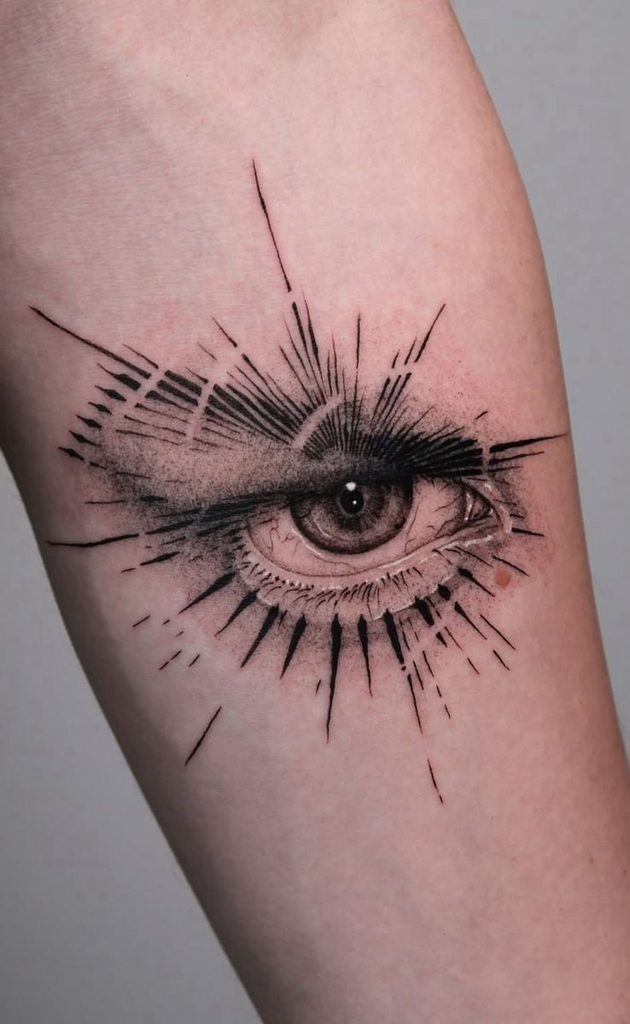
A tattoo can be both 3D and hyperrealistic. For example, a highly detailed realistic eye may use additional shadows and perspective to appear raised above the skin.
Đọc thêm: Realism Tattoo Styles: Black & Grey, Color, Micro & Hyperrealism
10 Incredible 3D Realism Tattoo Ideas
The possibilities of three-dimensional tattooing extend far beyond one visual style. Some designs create subtle illusions, while others transform the appearance of the body into something surreal.
Here are 10 ideas to inspire your next tattoo.
1. 3D Butterfly Tattoo
2. 3D Spider Tattoo
3. 3D Eye Tattoo
4. 3D Rose Tattoo

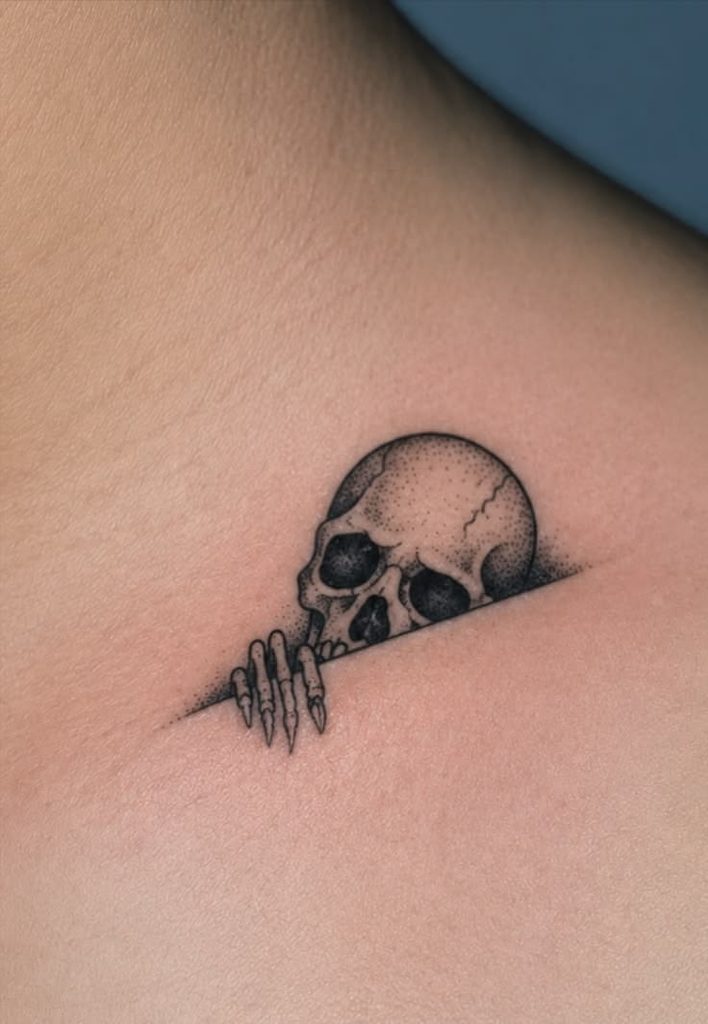
5. 3D Skull Tattoo
6. 3D Zipper Tattoo
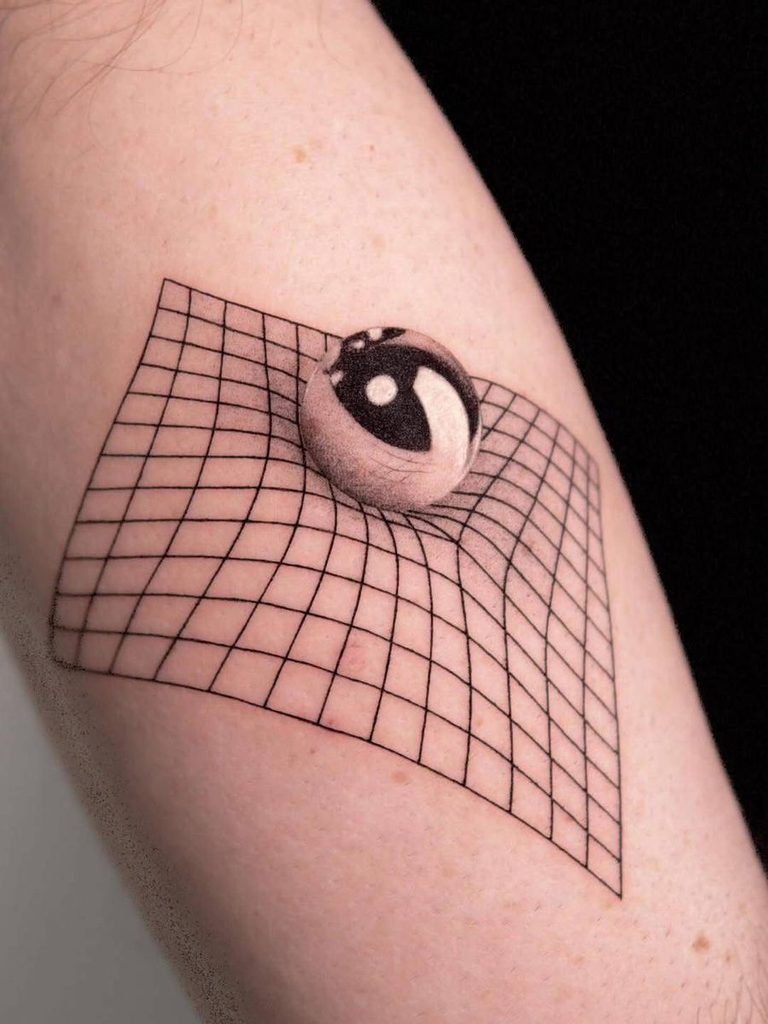
7. 3D Geometric Tattoo
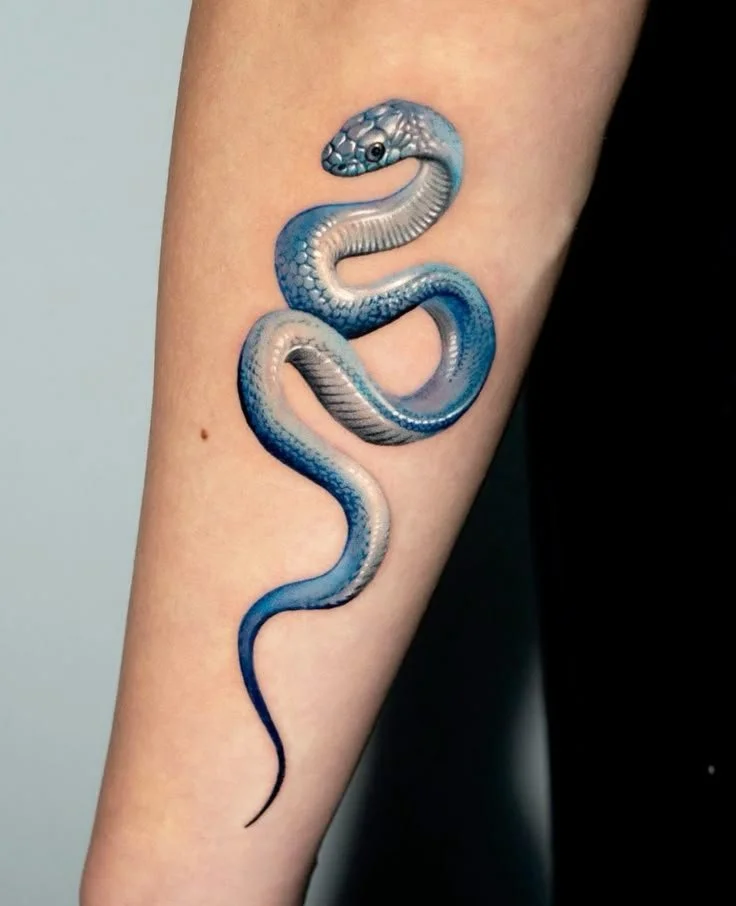
8. 3D Snake Tattoo
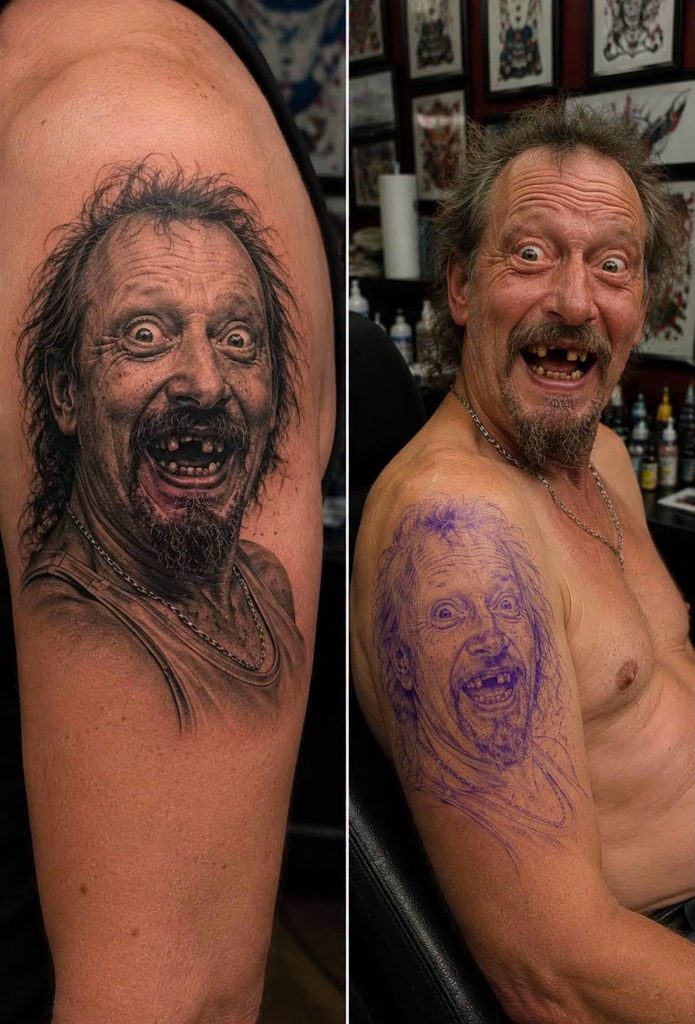
9. 3D Portrait Tattoo
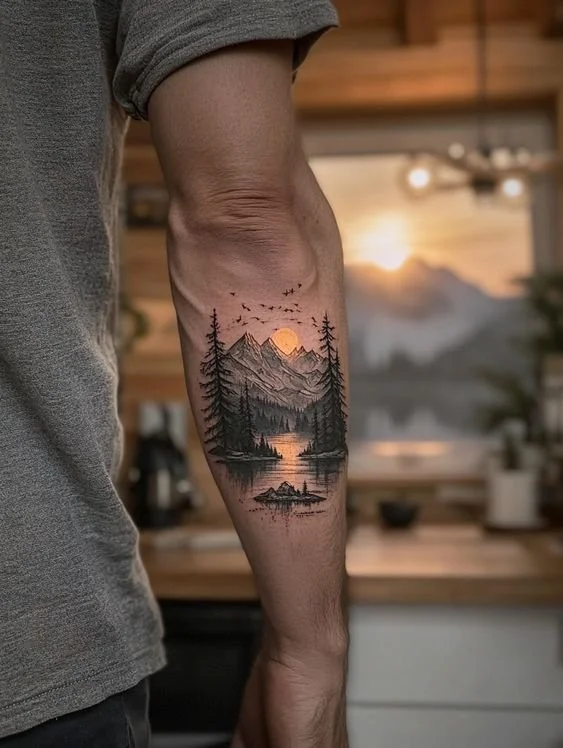
10. 3D Landscape Tattoo
Do 3D Realism Tattoos Look Real From Every Angle?
Not always.
This is one of the most important things to understand about optical illusion tattoos.
A three-dimensional effect may be strongest from a particular viewing angle because the artist has designed the shadows and perspective around that viewpoint.
For example, a geometric hole tattoo might appear perfectly dimensional when viewed straight on but look distorted when the arm rotates. This does not necessarily mean the tattoo was designed incorrectly. It reflects how perspective-based illusions work.
How can artists improve the effect?
• Choose a primary viewing angle.
• Adapt the design to the body’s natural curves.
• Avoid placing critical perspective lines across areas that distort significantly.
• Test the composition using a stencil before tattooing.
• Consider how the image changes when the body moves.
For subjects such as butterflies or flowers, the illusion may remain convincing from several angles. More complex geometric or architectural illusions may depend heavily on one viewpoint.
Frequently Asked Questions About 3D Realism Tattoo
1. What is a 3D Realism Tattoo?
A 3D Realism Tattoo uses shading, perspective, highlights and contrast to create the illusion of three-dimensional depth on the skin.
2. Are 3D tattoos actually raised?
No. A 3D tattoo creates a visual illusion rather than a physical structure above the skin. Fresh tattoos can temporarily feel raised because of inflammation, but this is not the intended 3D effect.
3. What is the most popular 3D tattoo design?
Butterflies, spiders, realistic eyes and mechanical illusions are recognizable examples of 3D tattooing. Their popularity varies by artist and audience.
4. Are 3D tattoos more expensive?
They can be when complex shading, perspective and detailed textures require additional working time. However, a simple 3D illusion may be less expensive than a large conventional realism tattoo.
5. Can 3D tattoos be done in color?
Yes. Both black and grey and color realism can create convincing optical illusions.
6. Is a 3D tattoo the same as a hyperrealism tattoo?
Not exactly. A 3D tattoo emphasizes the illusion of physical depth, while hyperrealism emphasizes highly accurate photographic detail. A tattoo can use both approaches.
Final Thoughts: The Art of Optical Illusion Tattoos
A 3D Realism Tattoo transforms the skin into a canvas for visual illusion.
Through carefully planned perspective, light, shadows and texture, artists can create designs that appear to float above the body, sink beneath its surface or occupy realistic three-dimensional space.
From delicate butterflies and insects to dramatic mechanical structures and surreal compositions, 3D tattooing offers enormous creative freedom.
However, the most convincing tattoos are not necessarily those with the greatest number of details. They are the designs that use the right details in the right places. The magic of a 3D tattoo is not that the image becomes real, but that the eye believes it could be.
Get Your 3D Realism Tattoo in Hanoi
Looking for a realistic tattoo with depth, dimension and a distinctive visual effect?
At 3 of Spades Hanoi Tattoo, our team can help you explore custom realism concepts based on your preferred subject, size and placement.
Whether you’re interested in a lifelike butterfly, a realistic animal or a more complex optical illusion, we can review your references and discuss the composition and technical requirements.
Located in Hanoi’s Old Quarter, our studio welcomes international travelers seeking a comfortable, collaborative tattoo experience.
Send us your reference images, approximate size in centimeters, preferred placement and Hanoi travel dates to discuss your idea and receive a quote.
Every tattoo has a story. Let’s create yours.