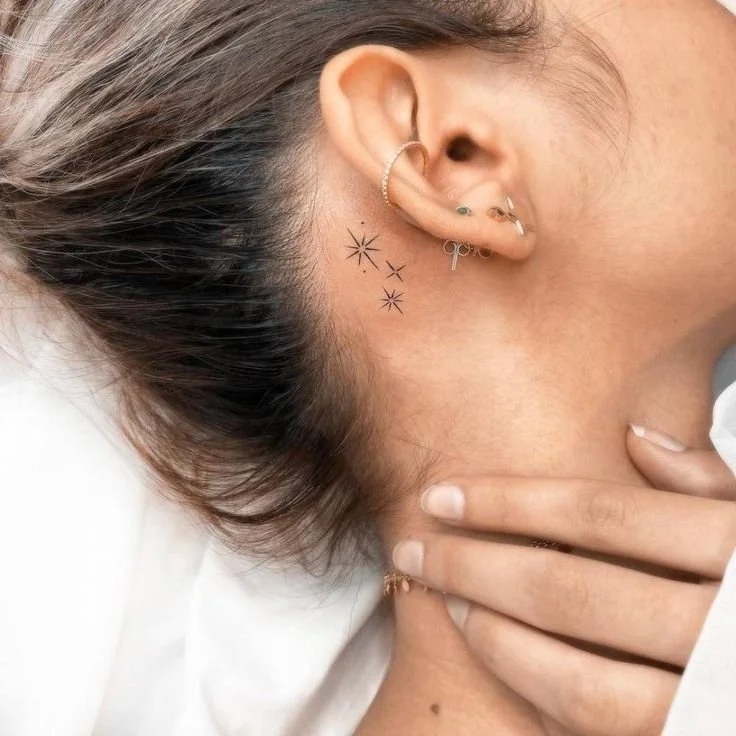

Choosing the right Tattoo Style is one of the most important decisions you’ll make before getting inked. Whether you’re drawn to delicate fine-line artwork, bold traditional designs, detailed realism, or expressive watercolor tattoos, the style you choose shapes how your tattoo looks, feels, and ages.
But with so many different types of tattoos, where should you begin?
A tattoo is more than an image transferred onto your skin. It’s a collaboration between your personal taste, the design itself, your body, and the artist’s creative approach.
The same subject can look completely different depending on how it’s illustrated. A butterfly might appear soft and minimal in fine line, dramatic in blackwork, colorful in watercolor, or lifelike in realism.
Understanding these differences helps you make a more confident decision, especially if you’re planning your first tattoo.
In this guide, we’ll explore the most recognizable tattoo styles, compare their characteristics, and help you discover which approach best suits your personality, design idea, and lifestyle.
What Is a Tattoo Style?
A Tattoo Style is the artistic approach used to create a tattoo, including its linework, shading, colors, composition, and overall visual appearance.
For example, imagine you want a rose tattoo.
An American traditional artist might create a bold red rose with thick black outlines and solid green leaves.
A fine-line artist might illustrate the same flower using delicate black lines and minimal shading.
A realism artist could create a detailed rose with natural-looking petals and subtle shadows.
All three tattoos feature the same subject, but their artistic identities are entirely different.
Is tattoo style the same as tattoo subject?
No.
A subject is what your tattoo depicts, such as a dragon, flower, animal, portrait, or symbol.
A style is how that subject is visually interpreted.
This distinction matters because choosing the subject alone doesn’t determine the final appearance.
Why Does Choosing the Right Tattoo Style Matter?
Your preferred tattoo style affects more than the artwork’s immediate appearance.
It determines the visual personality of your tattoo
Bold traditional designs can feel energetic and graphic.
Fine-line artwork often creates a softer, more understated impression.
Blackwork can feel dramatic, while watercolor tattoos may appear playful and expressive.
These are aesthetic associations rather than fixed rules, but they can help you identify what feels right.
It influences the size of your design
Some styles need more space to preserve important details.
For example, a realistic animal portrait usually requires a larger canvas than a simple line-art animal.
Choosing a design that’s too small for its complexity may affect how clearly it reads over time.
It helps you choose the right artist
Tattoo artists develop different technical and artistic strengths.
An artist who specializes in photorealistic portraits may not be the best choice for a bold American traditional sleeve, and vice versa.
Understanding your preferred style helps you identify a suitable portfolio.
What Are the Most Popular Tattoo Styles?
There isn’t one universally best Tattoo Style. Each has its own artistic strengths, visual characteristics, and practical considerations.
Here are ten styles worth exploring before deciding.
1. Fine-Line Tattoo: Delicate and Minimal
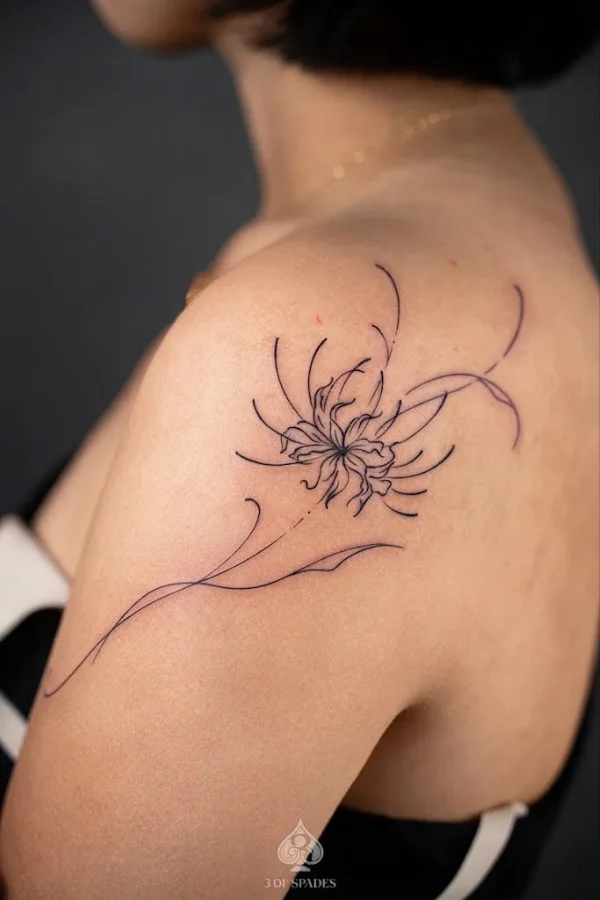
Fine-line tattoos use thin, precise lines to create delicate artwork. Designs may feature minimal shading, subtle details, or elegant outlines.
Common subjects: Flowers, butterflies, handwriting, tiny symbols, constellations, and ornamental designs.
Best suited for: People who prefer understated, refined artwork.
Considerations: Very small details and closely spaced lines may become less distinct as the tattoo ages. Your artist should recommend a size that gives the design enough room.
Đọc thêm: Fine Line Realism Tattoo: Delicate Details & Realistic Designs
2. OLDSCHOOL Tattoo: Bold and Timeless
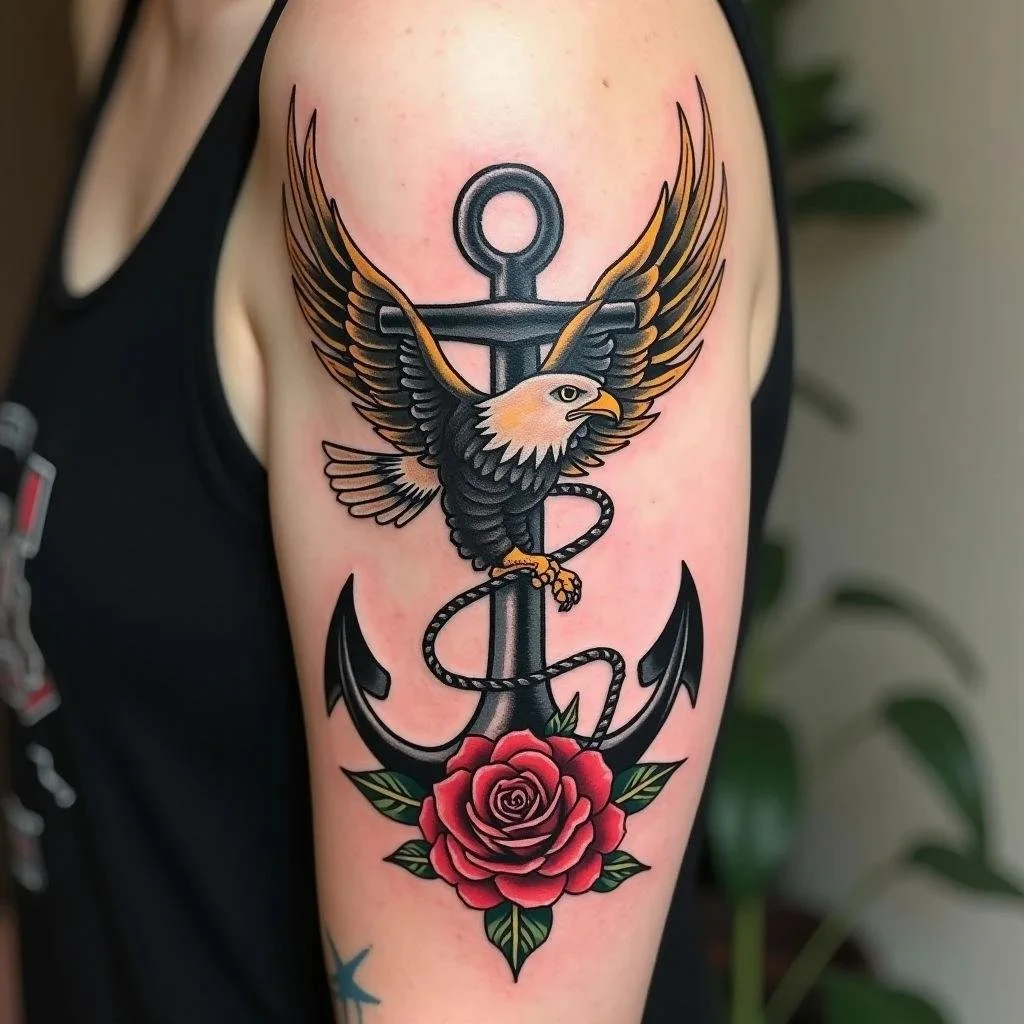
American traditional, also called oldschool tattooing, features bold black outlines, solid colors, and recognizable imagery.
Common subjects: Roses, eagles, swallows, panthers, anchors, daggers, and hearts.
Best suited for: People who appreciate vintage aesthetics, strong silhouettes, and graphic artwork.
Considerations: Traditional tattoos often look best when their shapes and outlines have enough space. They may also have a stronger visual presence than minimalist designs.
Đọc thêm: Oldschool Tattoo Art: Why Bold Designs Never Go Out of Style
3. Blackwork Tattoo: Strong and Expressive
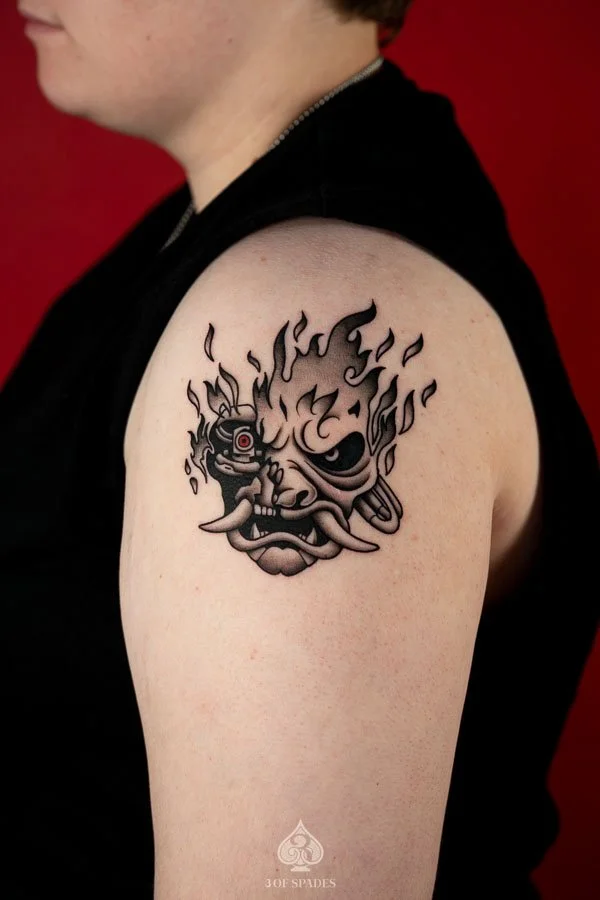
Blackwork is a broad category of tattooing that uses black ink as its primary visual element. It can range from solid black shapes to intricate patterns, abstract illustrations, and ornamental compositions.
Common subjects: Geometric patterns, abstract shapes, botanical artwork, animals, and decorative motifs.
Best suited for: People who love contrast, graphic design, and monochromatic artwork.
Considerations: Large solid-black areas can create a powerful visual effect, but they also require a significant commitment to coverage. Blackwork is not one single technique, so examine the artist’s specific approach.
Đọc thêm: Modern Blackwork Tattoo: How Artists Reinvent Black Ink
4. Realism Tattoo: Detailed and Lifelike
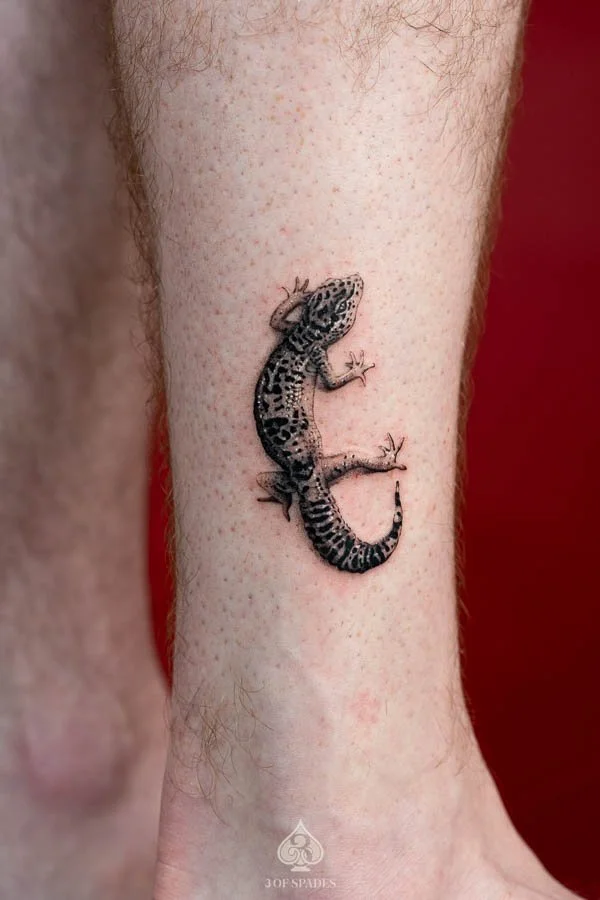
Realism tattoos aim to reproduce subjects with lifelike detail, texture, depth, and tonal transitions. They may be created in black and grey or full color.
Common subjects: Portraits, pets, wildlife, flowers, sculptures, and meaningful objects.
Best suited for: People who want a recognizable, detailed representation of something important.
Considerations: Realism often needs sufficient space for subtle details. High-quality reference images and an artist experienced in the subject are particularly important.
Đọc thêm: Realism Tattoo Styles: Black & Grey, Color, Micro & Hyperrealism
5. Japanese Tattoo: Symbolic and Flowing

Japanese tattooing, particularly the artistic tradition often associated with irezumi, is known for expressive compositions, recognizable motifs, and flowing backgrounds.
Common subjects: Dragons, koi fish, tigers, chrysanthemums, peonies, waves, and mythological figures.
Best suited for: People who appreciate large-scale compositions, traditional imagery, and culturally informed symbolism.
Considerations: Many Japanese-style designs work best when planned around the body, especially for sleeves, back pieces, and larger tattoos.
Đọc thêm: Japanese Tattoo History: From Ancient Japan to Modern Irezumi
6. Watercolor Tattoo: Colorful and Artistic
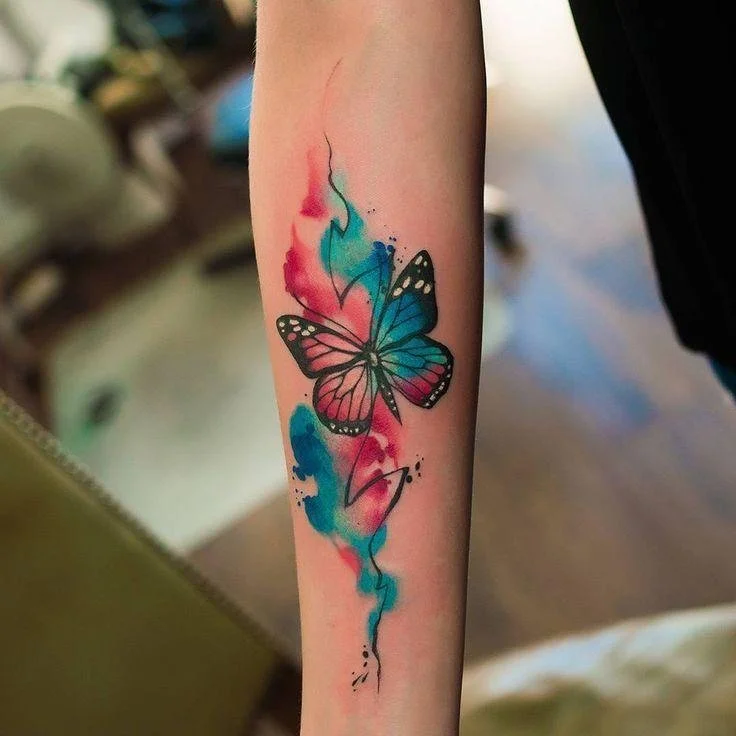
Watercolor tattoos imitate effects associated with watercolor painting, including soft gradients, expressive color transitions, and irregular edges.
Common subjects: Butterflies, flowers, birds, abstract compositions, and colorful landscapes.
Best suited for: People who enjoy expressive artwork, color, and painterly aesthetics.
Considerations: Some watercolor designs use little or no black outlining. The artist must carefully plan contrast and structure, particularly when using pale colors.
Đọc thêm: Watercolor Tattoo Style: Techniques, Colors & Characteristics
Tattoo Style Comparison: Which One Matches Your Preferences?
| Style | Visual character | Typical color approach | Mức độ chi tiết | Common design size |
|---|---|---|---|---|
| Fine-line | Delicate, minimal | Mostly black | Fine | Small to medium |
| American traditional | Bold, graphic | Solid classic colors | Simplified | Small to large |
| Blackwork | High-contrast | Black | Varies widely | Small to very large |
| Chủ nghĩa hiện thực | Lifelike | Black and grey or color | High | Often medium to large |
| Japanese | Flowing, illustrative | Black and grey or color | Moderate to high | Often medium to large |
| Watercolor | Soft, expressive | Color-focused | Varies | Small to large |
Which Tattoo Style Works Best for Your Design Idea?
Sometimes the subject itself can help narrow down your options. The same idea can have very different visual results depending on the chosen style.
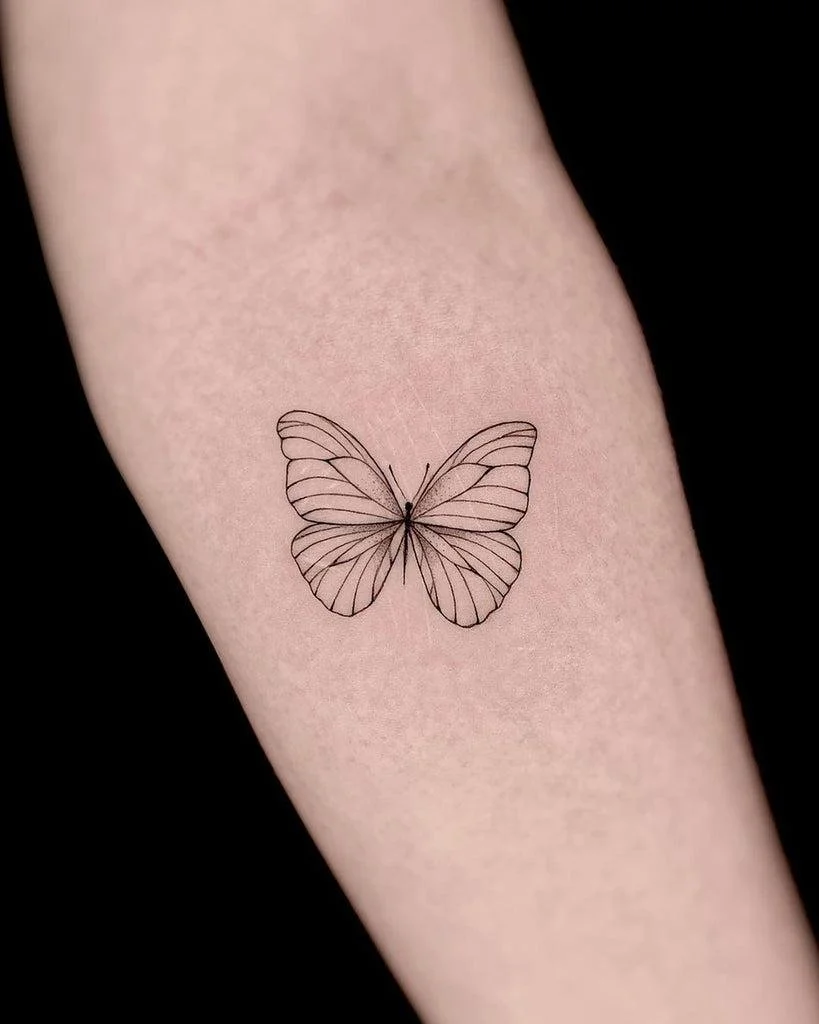
Butterfly Tattoo
Fine-line for delicate wings, watercolor for vibrant movement, or blackwork for graphic contrast.
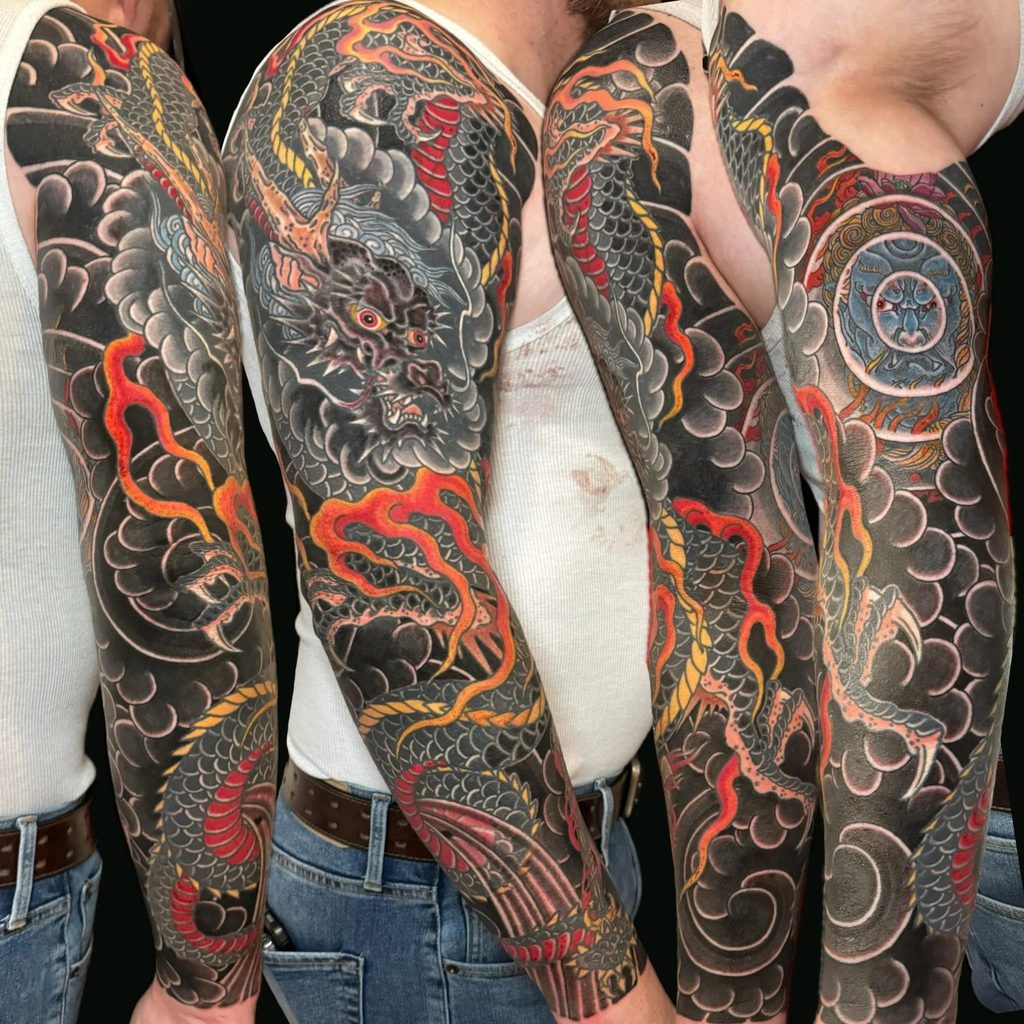
Dragon Tattoo
Japanese for flowing compositions, American traditional for bold simplicity, or blackwork for a dramatic silhouette.
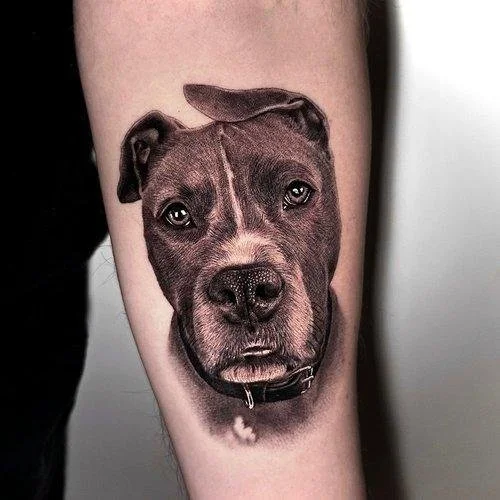
Pet Portrait Tattoo
Realism for recognizable facial details, fine-line illustration for a softer interpretation, or neo-traditional for a colorful portrait.
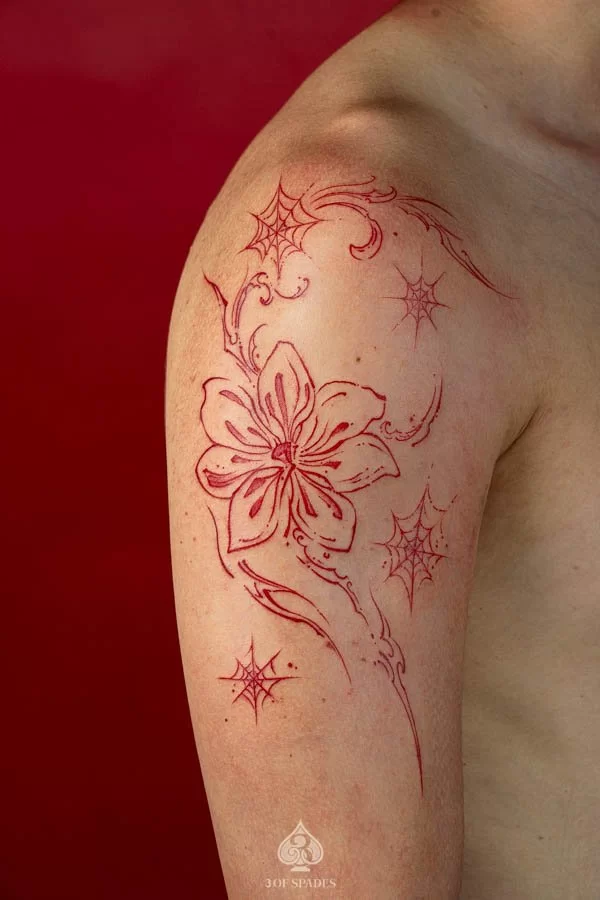
Flower Tattoo
Traditional for bold petals, fine-line for delicate botanical details, or watercolor for painterly colors.

Meaningful Word or Quote
Script for elegance, brush calligraphy for expressive strokes, or Gothic lettering for stronger visual impact.
How Do Size and Placement Affect Your Tattoo Style?
Your chosen placement can influence how a design should be composed, how much detail it can contain, and how it will look on your body.
Small tattoos: Keep the design readable
Small tattoos can work beautifully with fine-line, minimalist, lettering, and simplified traditional designs.
However, small does not always mean simple to execute.
When a design contains too many tiny details, the lines may become less distinct as the tattoo ages.
For smaller tattoos, prioritize:
• Clear outlines and spacing
• Recognizable shapes
• Limited unnecessary detail
• Lettering large enough to remain readable
Medium tattoos: Balance detail and flexibility
Medium-sized designs can accommodate a wider range of styles.
The forearm, upper arm, calf, and thigh are common placements for medium tattoos.
These areas may work well for traditional artwork, illustrative designs, blackwork, and selected realism pieces.
Large tattoos: Plan the overall composition
Larger projects, such as sleeves, back pieces, and thigh compositions, offer room for more elaborate designs.
Japanese tattooing, realism, blackwork, and ornamental styles can all benefit from larger canvases.
For a sleeve, it’s helpful to plan how the artwork will connect across the shoulder, elbow, forearm, and wrist.
Which placements suit different tattoo styles?
| Vị trí | Styles worth considering | Design considerations |
|---|---|---|
| Cổ tay | Fine-line, lettering, minimal | Limited space and frequent movement |
| Cẳng tay | Traditional, blackwork, fine-line, illustrative | Visible and adaptable |
| Cánh tay trên | Traditional, realism, neo-traditional | Curved surface with room for detail |
| Vai | Ornamental, Japanese, illustrative | Design can follow body contours |
| Mặt sau | Japanese, realism, blackwork, ornamental | Large canvas for complex artwork |
| Đùi | Realism, traditional, watercolor, blackwork | Generous space and flexible visibility |
| Con bê | Traditional, blackwork, illustrative | Suits vertical compositions |
| Fingers | Minimal lettering or symbols | Higher risk of fading and uneven healing |
Frequently Asked Questions About Tattoo Style
1. How do I choose the best Tattoo Style for me?
Start by collecting tattoo references you love. Identify whether you prefer bold or delicate lines, black ink or color, and realistic or illustrative artwork. Then discuss your preferences with an experienced tattoo artist.
2. What are the most popular tattoo styles?
Widely recognized styles include fine-line, American traditional, blackwork, realism, Japanese, watercolor, neo-traditional, geometric, ornamental, and illustrative tattooing.
3. Which tattoo style is best for beginners?
There is no single best style for a first tattoo. A simple design at an appropriate size can be a manageable starting point, but the right choice depends on your preferences, placement, and artist.
4. Which tattoo style ages the best?
Styles with strong contrast and adequate spacing, such as many American traditional and blackwork designs, may retain recognizable structure well. However, all tattoos change over time, and application quality and aftercare matter greatly.
5. Is fine-line or traditional tattoo better?
Neither is inherently better. Fine-line tattoos offer delicate, understated artwork, while traditional tattoos emphasize bold outlines and graphic shapes. Choose according to the visual result you prefer.
6. Can I combine two tattoo styles in one design?
Yes. Fine-line and watercolor, realism and geometric, or blackwork and ornamental elements can work together when the overall composition is carefully planned.
7. What tattoo style is best for small tattoos?
Minimalist, fine-line, simple lettering, and simplified traditional designs can work at smaller sizes. However, the artist should ensure the details remain readable.
8. Which tattoo style is best for a sleeve?
Japanese, blackwork, realism, traditional, and ornamental styles can all work for sleeves. The ideal choice depends on whether you want one continuous composition or separate patchwork designs.
9. Can an artist turn my idea into a different tattoo style?
Often, yes. An experienced artist can reinterpret a subject using different linework, shading, and composition. Some ideas may need adjustments to suit the chosen style.
10. Can I choose my tattoo style during a consultation?
Yes. Bringing reference images and explaining your preferences can help the artist recommend a style, size, and placement before you commit to the tattoo.
Final Thoughts: Choose a Style You’ll Love, Not Just a Trend
The right Tattoo Style isn’t necessarily the most popular, the most detailed, or the boldest.
It’s the one that best expresses your visual preferences, complements your design idea, and works well on your body.
Fine-line tattoos offer delicate simplicity. American traditional tattoos deliver bold visual impact. Blackwork emphasizes contrast, realism captures lifelike detail, and watercolor introduces expressive color.
Every style has its own strengths.
Before making your decision, explore different references, consider your placement and size, and talk with an artist whose work matches your preferred aesthetic.
A great tattoo begins with an idea, but it becomes personal through the way that idea is brought to life.
Find Your Tattoo Style at 3 of Spades Hanoi Tattoo
At 3 of Spades Hanoi Tattoo, we believe the design process should feel collaborative, comfortable, and personal.
Whether you’re interested in a delicate butterfly, a bold blackwork piece, a realistic animal portrait, or a custom design inspired by your travels, our team can help you explore the right artistic direction.
Located in Hanoi’s Old Quarter, we welcome international travelers and offer friendly consultations with clear English communication.
Planning your tattoo? Send us:
• Your tattoo idea or reference images
• Your preferred size in centimeters
• Your desired body placement
• Your travel dates in Hanoi
• Any styles you already love, even if you’re unsure which one to choose
We’ll help you discuss the design possibilities, recommend a suitable artist, and provide an estimate based on the final concept.
Your idea. Your style. Your story.