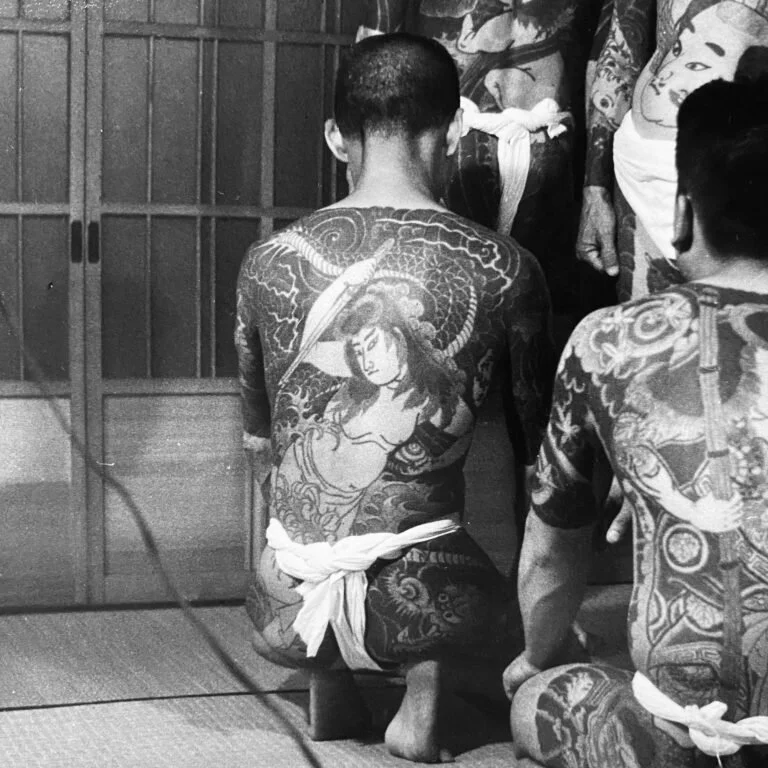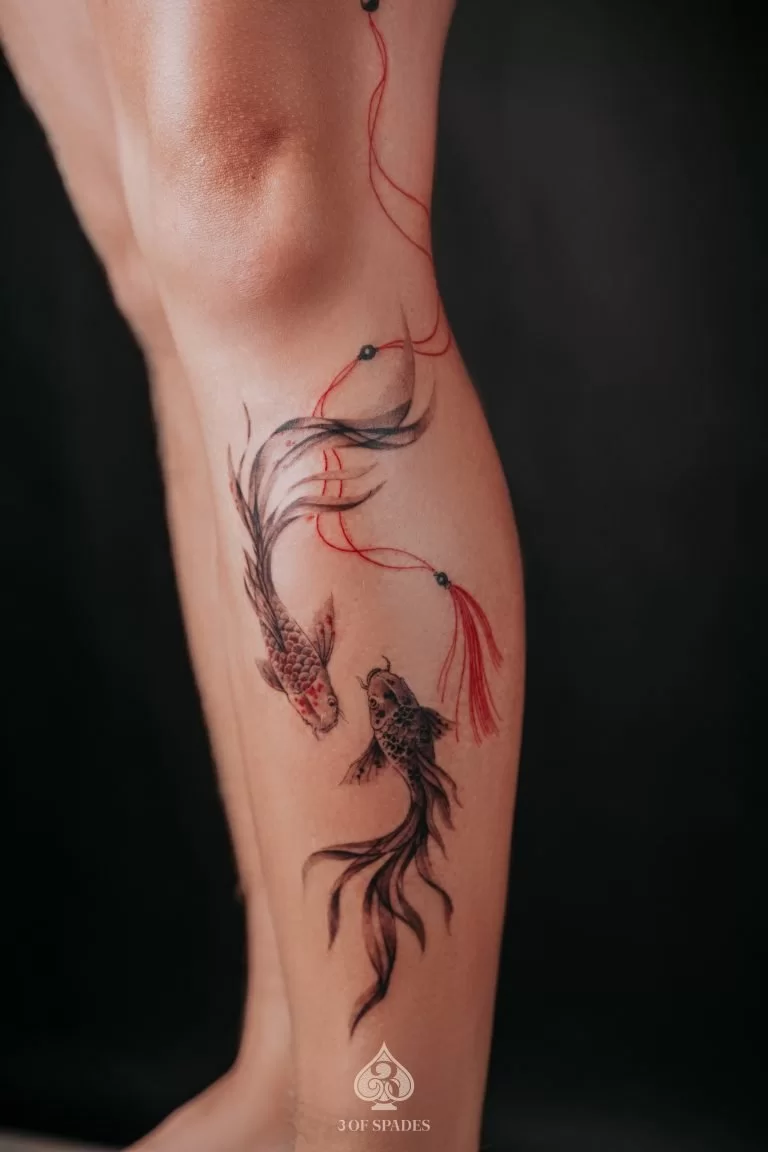
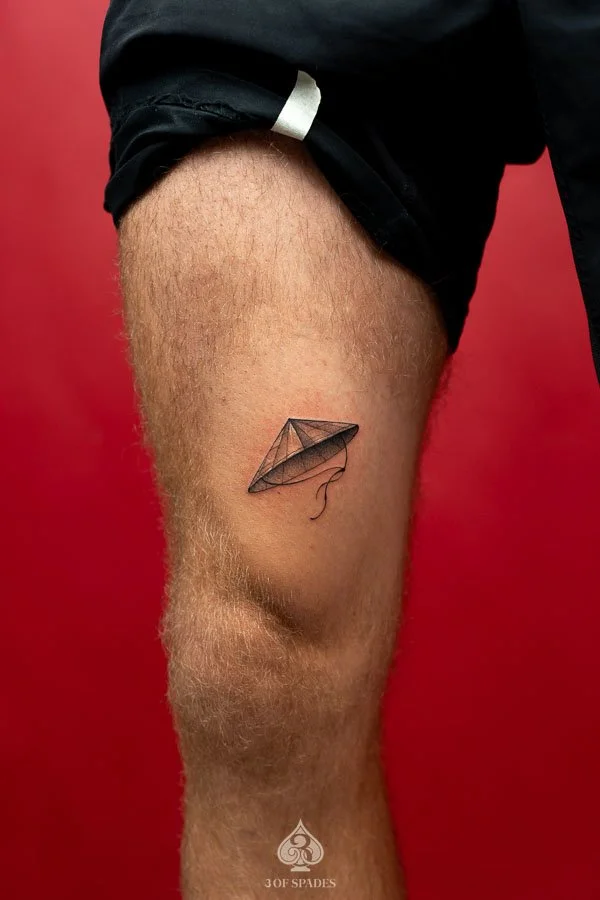
Vietnam Tattoo History stretches back through centuries of folklore, historical chronicles, royal traditions, and military symbolism. Long before tattooing became a global form of self-expression, body markings held cultural significance among communities living in the lands that would become Vietnam.
From ancient stories of fishermen tattooing aquatic creatures onto their bodies to the dragon tattoos associated with the Trần dynasty’s royal family, tattooing has played several different roles throughout Vietnamese history.
Unlike modern tattoos, which often reflect personal style, traditional markings could represent protection, social identity, loyalty, and connection to the natural world.
But where did Vietnamese tattooing begin? Why did ancient people tattoo their bodies? And how did these traditions evolve into the contemporary tattoo culture found in Vietnam today?
In this guide, 3 of Spades Hanoi Tattoo explores the fascinating evolution of Vietnamese tattoo traditions, separating historical evidence from legend while discovering how ancient cultural symbols continue to inspire modern tattoo designs.
What Are the Ancient Origins of Vietnam Tattoo History?
Vietnam Tattoo History has roots in early Vietnamese cultural traditions, although its exact beginning cannot be established with certainty. Historical writings and folklore describe tattooing among ancient communities associated with the Lạc Việt and later Vietnamese kingdoms.
Some traditional accounts place these customs in the legendary age of the Hùng Kings, long before written Vietnamese chronicles were compiled.
However, it is important to distinguish between a tradition described in later historical sources and archaeological evidence confirming exactly when tattooing first appeared.
Who were the Lạc Việt?
The Lạc Việt were ancient populations associated with the Red River region and the early cultural history of northern Vietnam. They are closely connected with traditions surrounding Văn Lang, the kingdom attributed to the legendary Hùng Kings.
Many communities in this region depended on rivers, wetlands, agriculture, and fishing for daily life.
Water played an essential role in their environment, which helps explain why aquatic creatures appear prominently in stories about early Vietnamese tattooing.
Historical descriptions associate these ancient people with body markings intended to resemble creatures believed to inhabit the water.
When did tattooing first appear in Vietnam?
Ancient Vietnamese tattooing is sometimes described as a tradition dating back 2,000–3,000 years or longer. These estimates reflect historical and legendary associations rather than a precisely established archaeological starting date.
Much of the surviving narrative comes from works compiled centuries after the earliest events they describe, including Lĩnh Nam chích quái (Selection of Strange Tales in Lĩnh Nam) and Đại Việt sử ký toàn thư (Complete Annals of Đại Việt).
What is much more firmly documented is that tattooing was recognized in Vietnamese society during later historical periods, especially under the Lý and Trần dynasties.
Why Did Ancient Vietnamese People Tattoo Their Bodies?
According to Vietnamese folklore, one early purpose of tattooing was protection from dangerous creatures believed to inhabit rivers and other waterways.
Ancient communities who fished, traveled, and worked on the water were said to mark their bodies with images resembling aquatic animals.
These tattoos were not merely decorative in the stories. They represented a relationship between humans, nature, and spiritual beliefs.
What is the legend of the Thuồng Luồng?
One of the best-known explanations comes from Lĩnh Nam chích quái, a collection of Vietnamese legendary narratives. The story describes people suffering attacks from mysterious water creatures known as thuồng luồng.
After seeking help from their ruler, they were advised to mark their bodies with patterns resembling aquatic creatures so that the creatures would mistake them for their own kind.
According to the tale, this practice helped protect people working in the water.
What animals appeared in ancient Vietnamese tattoo traditions?
Historical and legendary descriptions frequently mention aquatic creatures and animal-inspired imagery.
Ví dụ bao gồm:
- Dragons and water dragons.
- Snakes and serpent-like creatures.
- Fish and other aquatic animals.
- Mythical water creatures such as thuồng luồng.
These creatures reflected the importance of waterways in ancient Vietnamese life.
However, surviving sources do not provide a complete, verified catalog of the precise tattoo patterns used by early Lạc Việt communities.
How Did Vietnam Tattoo History Evolve During the Royal Dynasties?
Vietnam Tattoo History became particularly prominent during the Lý and Trần dynasties, when body markings were associated with royal households, military service, and social distinction.
Tattooing was no longer described only in connection with aquatic protection.
It also appeared in rules governing royal symbols, court attendants, and members of the armed forces.
What role did tattoos play during the Lý dynasty?
During the Lý dynasty (1009–1225), historical sources record restrictions on who could display certain tattoos.
Dragon imagery was especially significant because it was closely associated with royal authority.
Accounts preserved in Vietnamese historical writings describe restrictions on servants and other individuals tattooing dragons or adopting markings associated with official military groups.
These restrictions suggest that tattoos could serve as recognizable markers of status and institutional belonging.
Why were dragon tattoos important during the Trần dynasty?
Under the Trần dynasty (1225–1400), dragon tattoos became closely associated with the royal family. Historical accounts describe the custom of tattooing dragons on the thighs of members of the Trần ruling lineage.
The dragon represented more than an artistic motif in this context. It was associated with dynastic tradition and royal identity.
The custom was significant enough to appear in the story of Emperor Trần Anh Tông, who famously declined to continue the practice.
What Role Did Tattoos Play in Vietnamese Warfare?
Tattoos also carried powerful political and military meanings in medieval Vietnam. During the Trần dynasty, some markings expressed loyalty to the emperor and determination to defend the country against foreign invasion.
One of the best-known examples is the phrase Sát Thát, associated with Vietnamese resistance during the Mongol-Yuan invasions.
What does the Sát Thát tattoo mean?
Sát Thát (殺韃) is a historical expression meaning to kill or fight the Mongol invaders, referred to in the terminology of the time as Thát.
During the second Mongol-Yuan invasion of Đại Việt in 1285, historical accounts describe soldiers tattooing these two characters on their arms. The markings symbolized military determination and resistance.
The Vietnam National Museum of History cites Đại Việt sử ký toàn thư in its discussion of the practice and the events of 1285.
Why Did Traditional Tattooing Decline in Vietnam?
Traditional tattooing did not disappear overnight. Instead, its role in society changed over centuries as political institutions, cultural norms, and ideas about the body evolved.
The decline of royal tattoo customs during the late 13th and early 14th centuries was one important shift. However, tattooing continued in different forms among communities in Vietnam.
Did Confucian values influence attitudes toward tattoos?
Confucian ideas about family, the body, social order, and appropriate public appearance became influential among Vietnamese governing elites. These attitudes may have contributed to changing perceptions of tattooing, especially as older royal and military customs became less prominent.
Still, it would be too simplistic to attribute the entire decline of Vietnamese tattoo traditions to Confucianism alone.
Political changes, social distinctions, local practices, and the gradual transformation of cultural traditions all contributed to a more complex history.
Why did tattoos become stigmatized in modern Vietnam?
In some periods of modern Vietnamese society, tattoos developed associations with criminality, rebelliousness, or marginal social identity. These associations influenced public attitudes, particularly among older generations and in more conservative social environments.
However, perceptions have changed considerably as tattooing has become more visible in fashion, art, entertainment, and contemporary youth culture. Modern tattoo studios increasingly present tattooing as a professional artistic practice.
The historical shift from ritual or institutional marking to personal expression is an important part of the evolution of Vietnamese tattoo culture.
What Ancient Symbols Inspire Vietnamese Tattoos Today?
Many contemporary Vietnamese-inspired tattoos draw from recognizable cultural symbols, traditional artwork, and historical artifacts.
However, not every symbol used in a modern Vietnamese tattoo is documented as an ancient tattoo design.
What does the Vietnamese dragon symbolize?
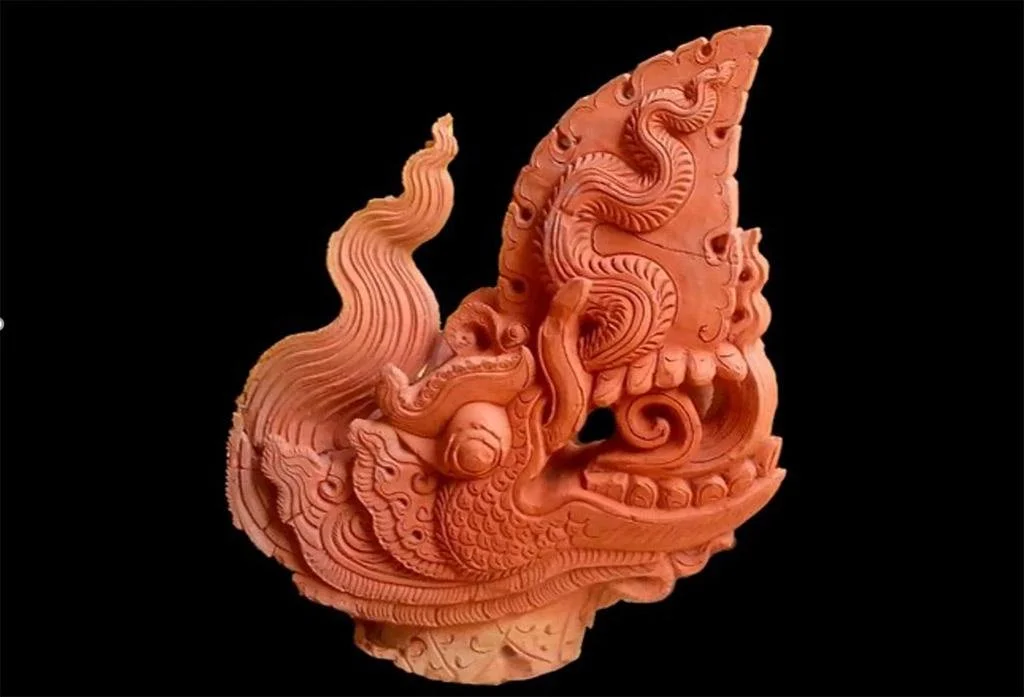
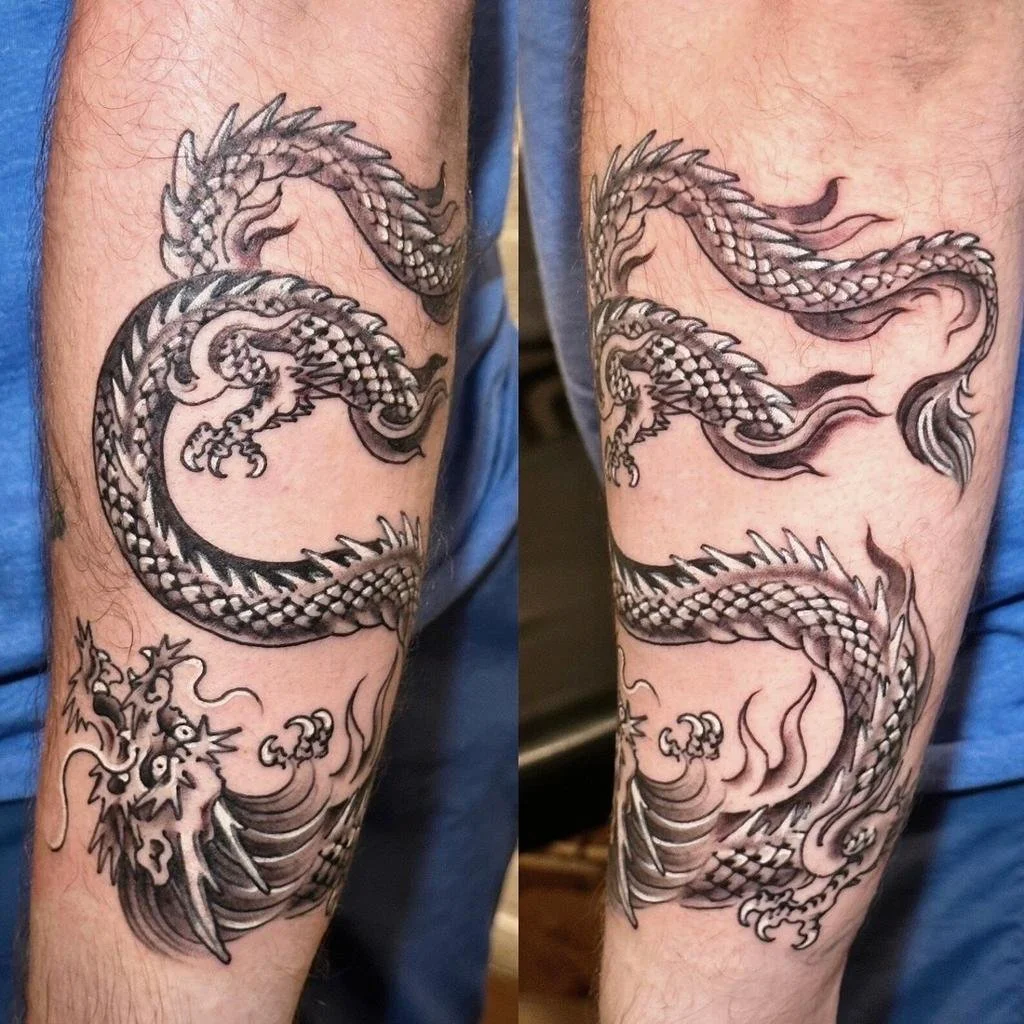
The Vietnamese dragon, or rồng, is associated with royal power, cultural identity, and ideas of prosperity and strength.
Dragon imagery appears throughout Vietnamese architecture, decorative arts, and historical traditions. Its form changed across dynasties, creating different artistic references for contemporary tattoo designs.
Modern artists can adapt Vietnamese dragon motifs into blackwork, fine-line, traditional, or large-scale custom compositions.
What is the significance of the Lạc bird?
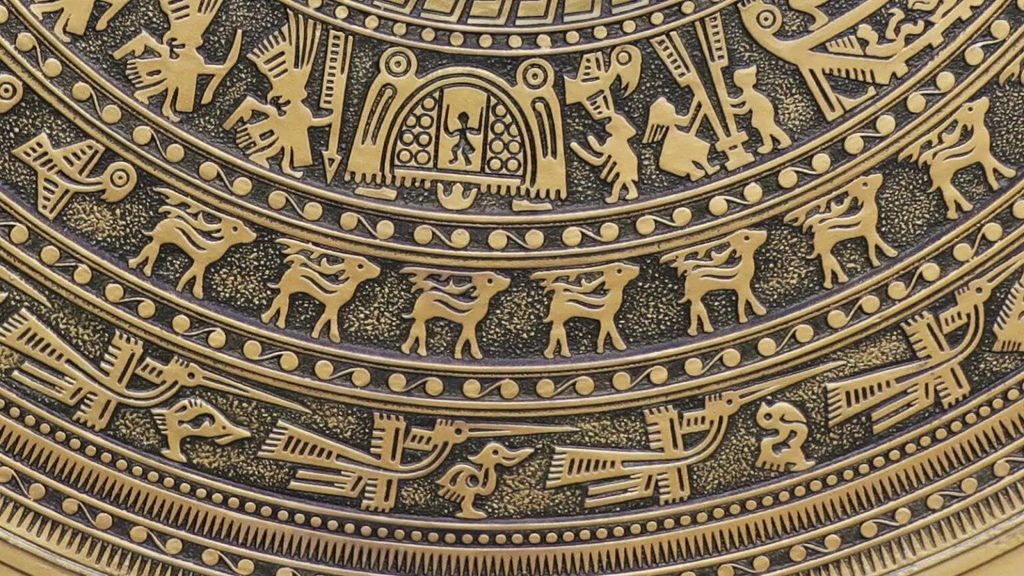
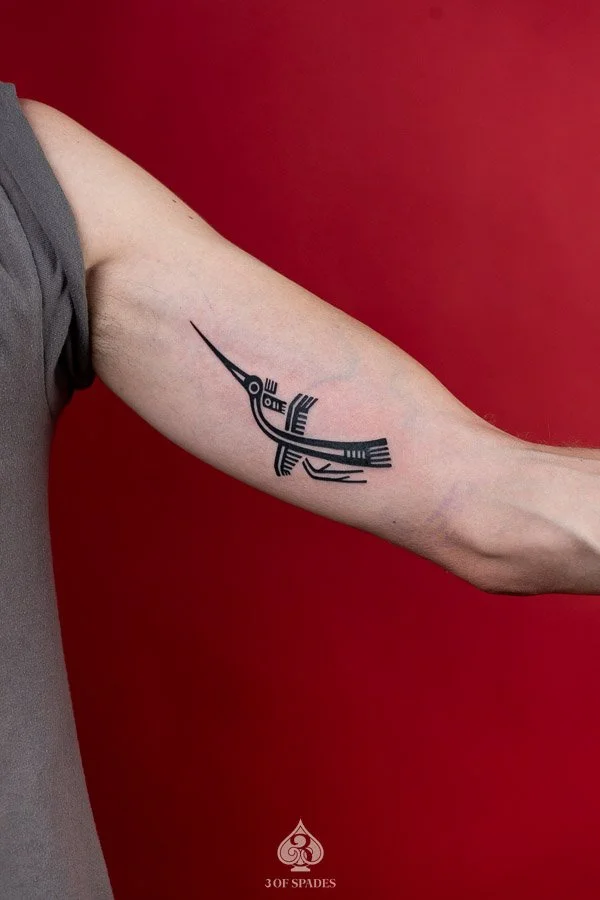
The Lạc bird (chim Lạc) is a recognizable motif associated with Đông Sơn bronze drum art.
Stylized long-beaked birds appear in decorative bands on historic bronze drums, often alongside geometric patterns and depictions of human activity.
Today, the motif is frequently interpreted as a symbol of Vietnamese heritage and cultural continuity. A Lạc bird tattoo can work especially well in minimalist, geometric, or blackwork designs.
However, the exact symbolic meaning of these ancient birds remains a subject of interpretation, and their appearance on bronze drums does not by itself prove that they were used as ancient tattoos.
Đọc thêm: Hình xăm chim Lạc Việt Nam
What do Đông Sơn bronze drum patterns represent?
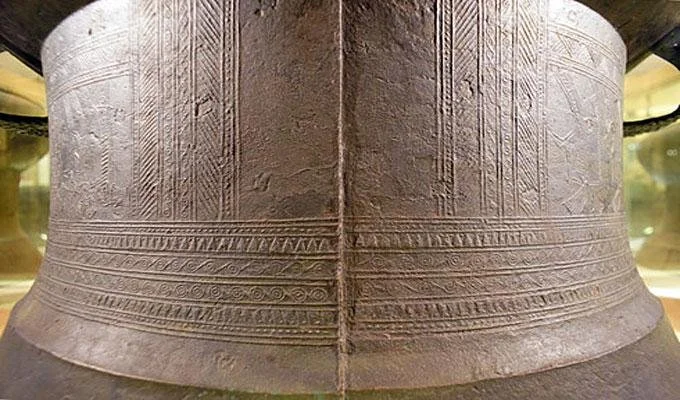
Đông Sơn bronze drums are among the most recognizable artifacts of ancient northern Vietnam.
Their decorative designs feature combinations of:
- Concentric circular patterns.
- Geometric bands.
- Stylized birds.
- Human figures.
- Boats and scenes of activity.
- Radiating central star-like motifs.
These patterns provide an appealing foundation for modern heritage-inspired tattoos.
Artists can incorporate selected motifs into armbands, ornamental sleeves, back pieces, and geometric compositions.

Đọc thêm: Hình xăm trống Đông Sơn
Is the lotus a traditional Vietnamese tattoo symbol?
The lotus is an important cultural and artistic symbol in Vietnam, commonly associated with purity, resilience, and beauty.
It also has significance in Buddhist traditions.
Although lotus imagery is widely used in Vietnamese architecture, art, and modern tattoo design, this does not establish that lotus tattoos were part of the earliest documented Lạc Việt tattoo traditions.
Today, lotus tattoos are popular because of their elegant form and versatile symbolism.
They can be adapted into fine-line compositions, ornamental designs, blackwork, and larger pieces combining Vietnamese cultural motifs.
Đọc thêm: Vietnamese Woman Lotus Stamp Tattoo
How Did Vietnam Tattoo History Influence Modern Tattoo Culture?
Vietnam Tattoo History continues to inspire modern artists through traditional imagery, cultural storytelling, and the reinterpretation of historical motifs.
Contemporary tattooing in Vietnam is not simply a revival of one ancient technique.
Instead, it brings together international tattoo styles, modern equipment, individual artistic approaches, and elements of Vietnamese visual heritage.
How has tattooing changed in modern Vietnam?
Tattooing has evolved from practices associated with particular communities, royal traditions, and military groups into a more diverse form of personal expression.
Today, clients may choose tattoos to:
- Celebrate Vietnamese cultural heritage.
- Remember important life experiences.
- Express identity and individuality.
- Commemorate travel experiences.
- Explore personal beliefs or artistic interests.
Modern studios also work across styles such as realism, fine-line, blackwork, Japanese traditional, and custom illustrative tattooing.
Final Thoughts: How Has Vietnam Tattoo History Evolved?
Vietnam Tattoo History reflects centuries of changing beliefs, identities, and artistic traditions. From ancient legends of aquatic protection to the dragon markings of Trần royalty and the military tattoos of medieval Vietnam, body art has carried meanings far beyond decoration.
Although some early stories belong to folklore rather than independently verified history, surviving chronicles demonstrate that tattooing occupied a recognizable place in Vietnamese cultural life.
Today, modern tattoo artists can draw inspiration from this heritage while creating artwork that reflects individual identity and contemporary artistic styles.
Understanding the history behind a symbol makes it possible to create something more meaningful than a beautiful design alone.
A tattoo can become a personal connection between the past, the present, and the story you choose to carry forward.
Frequently Asked Questions About Vietnam Tattoo History
1. When did tattooing first begin in Vietnam?
Vietnamese tattoo traditions are often traced to the legendary Hùng Kings and ancient Lạc Việt communities. However, the exact starting date has not been archaeologically established. Later Vietnamese chronicles preserve accounts of these early practices.
2. Why did ancient Vietnamese people tattoo their bodies?
According to Vietnamese folklore, ancient communities tattooed aquatic creatures onto their bodies to protect themselves from dangerous water beings. Later tattoo traditions also expressed social identity, royal status, loyalty, and military determination.
3. What is the oldest known Vietnamese tattoo tradition?
One of the earliest traditions described in Vietnamese historical literature involves aquatic animal tattoos associated with ancient communities living around rivers and wetlands. However, no complete collection of authenticated tattoo designs survives from the legendary Hùng Kings period.
4. Did ancient Vietnamese kings have tattoos?
Historical sources describe dragon tattooing among members of the Trần royal family. The custom was associated with royal lineage and continued until Emperor Trần Anh Tông declined to participate in it.
5. Why did Trần dynasty royalty get dragon tattoos?
Dragon tattoos were associated with royal lineage and dynastic custom. Historical chronicles describe dragon markings on the thighs of Trần rulers, although their exact original designs are not fully documented.
6. What does the Sát Thát tattoo mean in Vietnamese history?
Sát Thát was a historical military expression associated with resistance against the Mongol-Yuan invaders. In 1285, Trần soldiers were recorded as bearing the characters on their arms to express determination to resist the enemy.
7. What is the meaning of the Lạc bird in Vietnamese tattoos?
The Lạc bird is a recognizable motif from Đông Sơn bronze drum art. In modern tattoos, it is often interpreted as a symbol of Vietnamese heritage, cultural continuity, and ancestral identity. Its precise original meaning remains debated.
8. Are Đông Sơn tattoo designs historically authentic?
Đông Sơn patterns are authentic ancient decorative motifs, but their appearance on bronze artifacts does not prove that the same designs were historically tattooed onto human skin. Tattoos using these motifs are best described as modern heritage-inspired artwork.
9. Are Vietnamese traditional tattoos still popular today?
Vietnamese-inspired tattoos remain relevant in contemporary tattoo culture. Designs involving dragons, lotus flowers, Đông Sơn patterns, and other cultural references allow clients to express personal connections to Vietnamese heritage.
10. Where can I get a Vietnamese-inspired tattoo in Hanoi?
You can explore custom Vietnamese-inspired designs at 3 of Spades Hanoi Tattoo. A consultation allows you to discuss historical references, artistic styles, placement, and the details of your preferred design.
Ancient Roots. Modern Ink.
Bring Vietnamese heritage to life with custom artwork at 3 of Spades Hanoi Tattoo.
Book your free consultation today!