
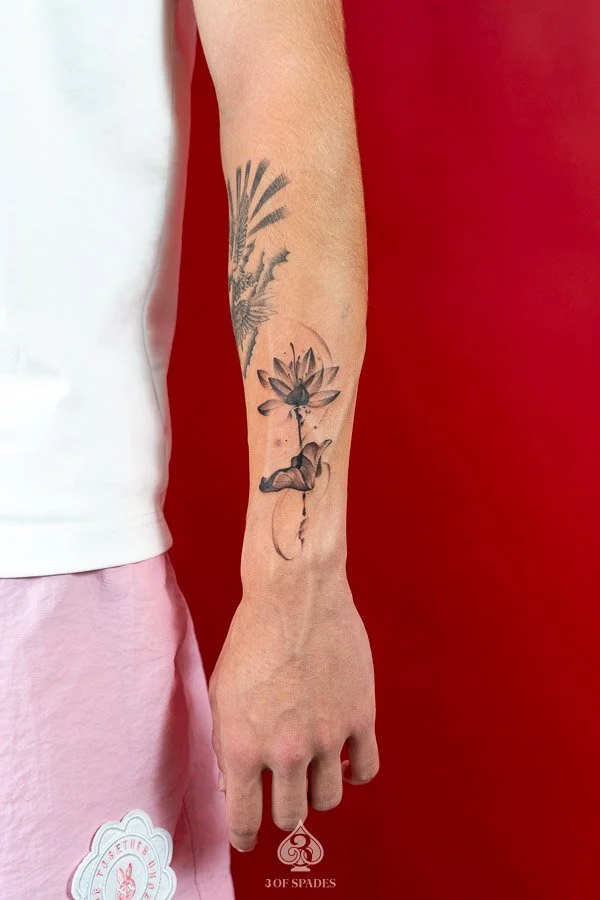
Tattoo Blowout occurs when tattoo ink spreads beyond its intended lines beneath the skin, leaving a blurry, smudged, or shadow-like appearance. If your new tattoo looks less defined than expected, you might be wondering whether you’re experiencing a blowout or simply going through normal healing.
The good news? Not every blurry-looking tattoo is a blowout. Fresh tattoos naturally experience swelling, peeling, and temporary changes in appearance as the skin recovers.
However, understanding the difference can help you recognize potential problems and avoid unnecessary touch-ups.
So, what does tattoo blowout actually look like? How soon can it appear? And how can you tell whether your tattoo is blown out or still healing?
In this guide, 3 of Spades Hanoi Tattoo explains the most common tattoo blowout signs, how to distinguish them from normal healing, and what steps to take if you suspect your tattoo has a problem.
What Is Tattoo Blowout?
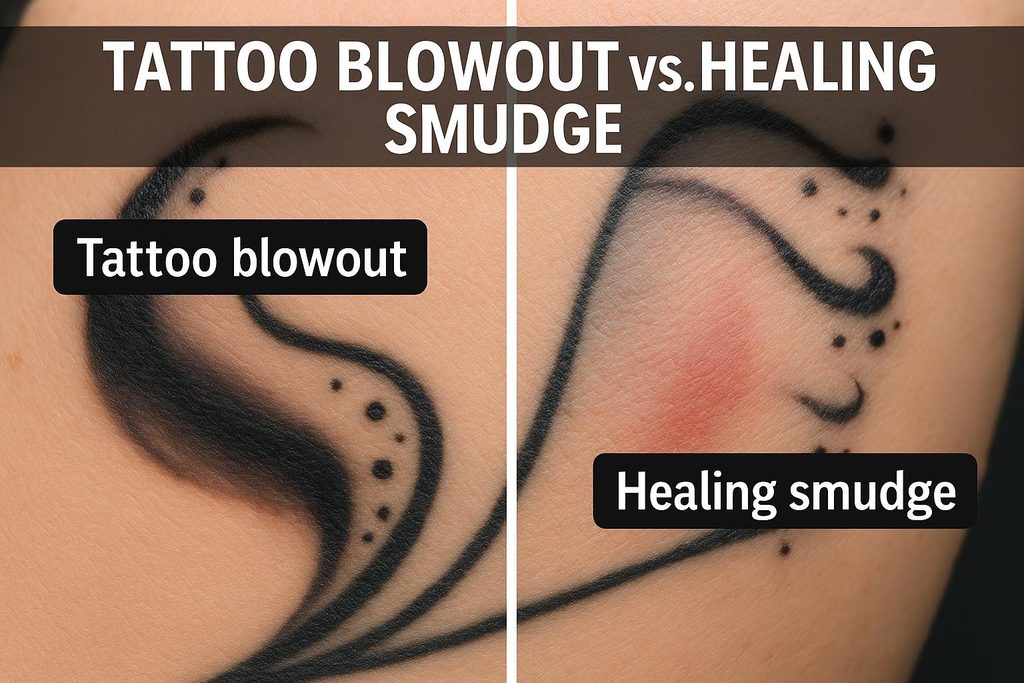
Tattoo Blowout happens when tattoo pigment spreads outside the intended boundaries of a design, creating blurry edges or a dark halo around the ink.
Tattoo needles normally deposit pigment into the dermis, the middle layer of skin. When ink is deposited too deeply, especially into the underlying fatty tissue, it may migrate beyond the intended tattoo lines.
Does every blurry tattoo mean a blowout?
No. A new tattoo may temporarily look blurry because of swelling, skin irritation, surface fluid, or peeling.
These changes can occur during normal healing.
A true blowout involves pigment spreading outside the design rather than temporary changes affecting the skin’s surface.
What Are the Most Common Tattoo Blowout Signs?
The most recognizable Tattoo Blowout signs involve changes to the tattoo’s outlines and surrounding pigment.
What does a tattoo blowout look like?
Look for these visual characteristics:
- Blurry outlines: Lines lose their original sharpness.
- Blue-gray shadows: A hazy halo develops around the tattoo.
- Spreading pigment: Ink appears outside the intended design.
- Uneven line thickness: Some areas look wider or more smudged than others.
- Persistent discoloration: Blurring remains after surrounding swelling has improved.
Blowout can affect one small section rather than the entire tattoo.
Can tattoo blowout look like a blue shadow?
Yes. Some blowouts create a blue, gray, or dark shadow surrounding otherwise visible tattoo lines.
The appearance depends on the pigment, depth, and surrounding skin. This shadow may resemble a bruise, but the underlying cause is different.
How Can You Tell Tattoo Blowout From Normal Healing?
The main difference is that normal healing changes usually improve as the skin recovers, while a true tattoo blowout often leaves persistent pigment outside the intended lines.
What is the difference between blowout and healing?
| Feature | Tattoo Blowout | Normal Healing |
|---|---|---|
| Appearance | Blurry ink halo around lines | Redness, swelling, peeling |
| Main cause | Pigment migration | Skin recovery |
| Timing | Often hours to days after tattooing | Begins immediately |
| Color changes | Gray, blue, or dark pigment spread | Pink, red, or temporary cloudiness |
| Long-term appearance | Often persists | Usually improves |
| What to do | Allow healing, then seek assessment | Continue appropriate aftercare |
Can peeling make a tattoo look blown out?
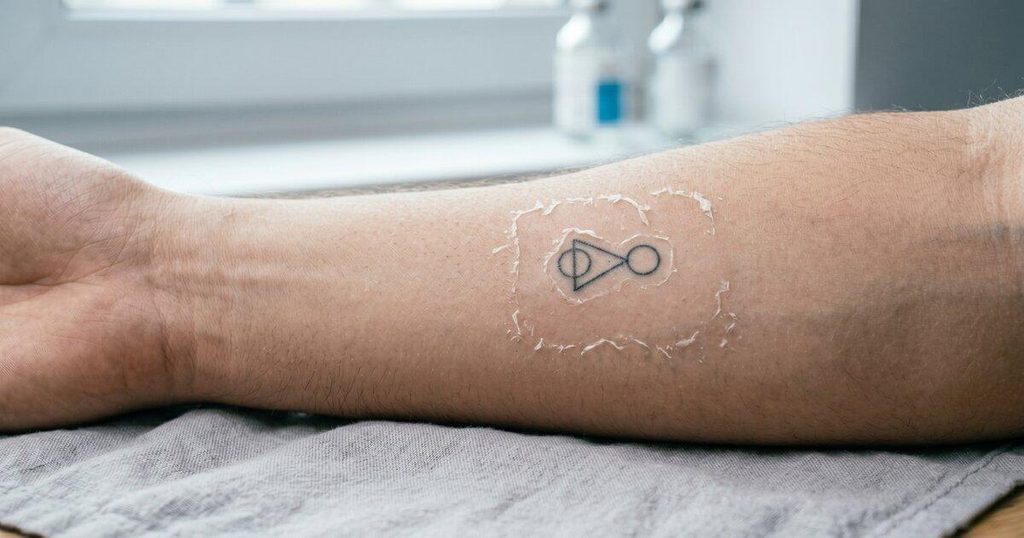
Yes. Peeling and temporary changes in the healing epidermis can make a tattoo appear cloudy, uneven, or less defined.
This does not automatically indicate pigment migration. Avoid making permanent judgments about your tattoo while the skin is still peeling.
Is Your Tattoo Blown Out or Just Bruised?
Tattoo bruising and blowout can appear similar because both may create discoloration around the design. However, they involve different processes.
How can you distinguish bruising from ink spreading?
Bruising occurs when small blood vessels leak blood into surrounding tissue. A bruise may change from purple or blue to greenish or yellow tones before fading.
Tattoo blowout, by contrast, involves pigment remaining beyond the intended tattoo borders.
If the discoloration gradually changes color and disappears, bruising is more likely. If a dark ink-like shadow remains, blowout may be possible. Neither appearance alone provides a definitive diagnosis.
How Soon Can Tattoo Blowout Appear?
Tattoo Blowout can become visible within hours or days after tattooing, although some changes may be noticed later. The clinical literature describes early blurring around tattoo margins and occasional unusual cases of delayed pigment migration.
Can tattoo blowout appear after one week?
Yes. Some people first notice blurred lines during the healing period, once swelling decreases or the tattoo becomes easier to examine.
However, changes noticed after one week are not automatically blowouts.
Compare the tattoo with photographs taken shortly after the appointment, and consider whether the surrounding skin is still healing.
Can a healed tattoo develop blowout later?
Unusual delayed pigment migration has been documented, but it is less typical than early blowout.
If an old tattoo suddenly changes appearance, consult a dermatologist to rule out other skin conditions rather than assuming the change is a blowout.
What Should You Do If You Suspect Tattoo Blowout?
If your tattoo looks blown out, avoid rushing into another procedure. The most useful first step is to monitor its appearance while the skin heals.
Should you contact your tattoo artist?
Yes. Your artist can review photographs and assess whether the design appears to have pigment spreading or whether the skin is still healing. You can:
- Take clear photographs in natural lighting.
- Continue following appropriate tattoo aftercare.
- Avoid scratching, rubbing, or attempting to remove pigment.
- Allow the skin to finish healing.
- Arrange an assessment if the blurred appearance persists.
An experienced artist may discuss possible reworking or cover-up options after healing.
Can a tattoo blowout be corrected?
Sometimes. Depending on severity, possible options include:
- Tattoo reworking: Adjusting parts of an existing design.
- Tattoo cover-up: Incorporating the blurred area into new artwork.
- Laser treatment: A dermatologist may be able to reduce unwanted pigment.
None guarantees complete restoration of the original lines.
Đọc thêm: Tattoo Blowout: Why Does It Happen?
How Can You Avoid Tattoo Blowout in Future Tattoos?
Choosing an experienced artist is one of the most important ways to reduce the risk.
Tattoo technique, appropriate needle depth, skin characteristics, and body placement can all influence the outcome.
What should you check before booking a tattoo?
Review the artist’s portfolio, particularly healed tattoo photographs. Look for clean lines, consistent shading, appropriate spacing, and experience with your preferred design and placement.
At 3 of Spades Hanoi Tattoo, our English-speaking artists can discuss your tattoo concept, placement, and long-term design considerations before your appointment.
Although no artist can guarantee zero risk, careful planning and experienced technique can help minimize complications.
Final Thoughts: How Can You Tell If You Have Tattoo Blowout?
The clearest sign of Tattoo Blowout is persistent ink spreading beyond the original tattoo lines, often creating a blurry or blue-gray halo.
However, normal swelling, peeling, and bruising can temporarily make new tattoos appear less defined.
If you’re unsure, allow your tattoo to heal, document changes with photographs, and consult an experienced artist or dermatologist when appropriate.
Recognizing the difference can help you avoid unnecessary treatments while protecting your tattoo’s long-term appearance.
Frequently Asked Questions About Tattoo Blowout
1. What are the first signs of tattoo blowout?
Early signs include blurry outlines, ink spreading beyond the design, and blue-gray shadows around tattoo lines.
2. How do I know if my tattoo is blown out?
Look for pigment extending beyond the original lines that remains visible as the skin heals. An artist or dermatologist can help assess the appearance.
3. Can tattoo blowout happen immediately?
Yes. Blowout can become noticeable within hours or days after tattooing, although some cases may appear later.
4. Is my tattoo blown out or just healing?
Normal healing can cause redness, swelling, peeling, and temporary cloudiness. Blowout typically produces persistent pigment spread outside the intended design.
5. Does tattoo blowout look like bruising?
Sometimes. Both can cause blue-gray discoloration, but bruising usually changes color and fades, while tattoo blowout often remains visible.
6. Can a tattoo blowout disappear naturally?
A true blowout usually does not completely disappear on its own, although mild cases may become less noticeable.
7. Can fine-line tattoos develop blowouts?
Yes. Fine-line tattoos can experience pigment migration, and even slight blurring may be noticeable because their lines are delicate.
8. Can tattoo blowout be fixed?
Sometimes. Depending on the severity, tattoo reworking, cover-up designs, or dermatologist-directed laser treatment may improve its appearance.
9. Is tattoo blowout dangerous?
Tattoo blowout is primarily a cosmetic complication. However, worsening pain, spreading redness, pus, or fever may indicate a separate medical problem requiring attention.
10. Does tattoo blowout mean the artist made a mistake?
Not necessarily. Technique is an important factor, but skin characteristics and placement also influence outcomes. The exact cause cannot always be determined from appearance alone.
Precision Matters. Your Ink Deserves It.
Discover custom tattoo designs and professional artistry at 3 of Spades Hanoi Tattoo.
Book your free consultation today!


