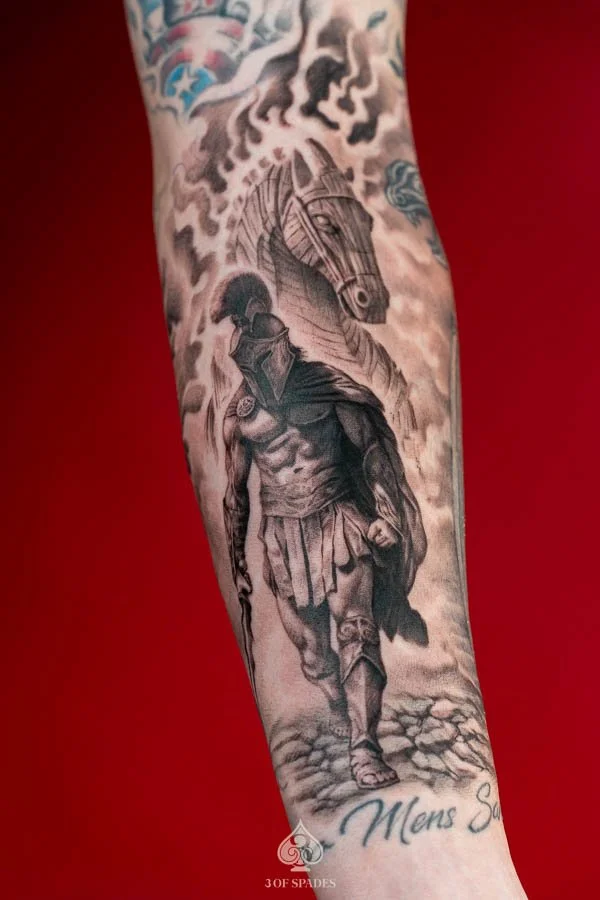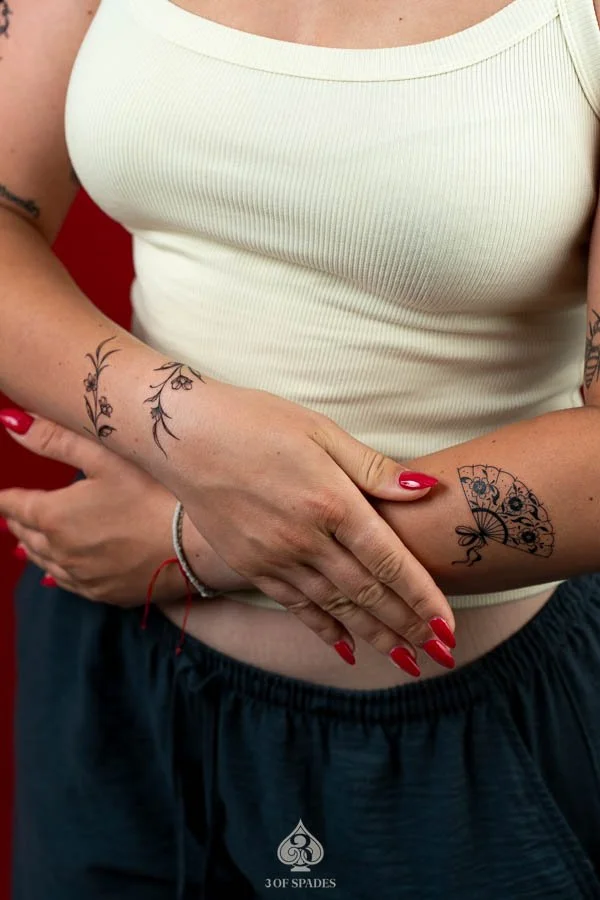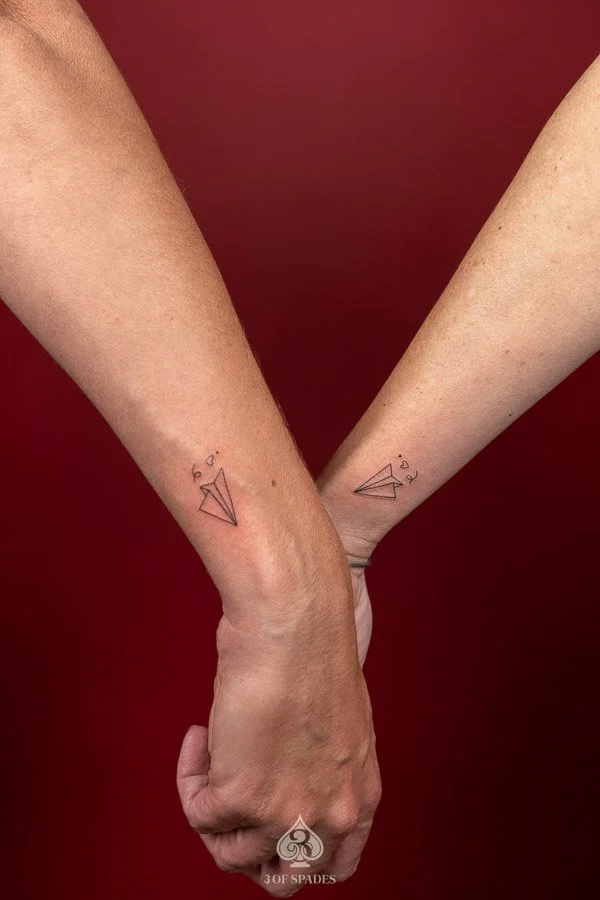
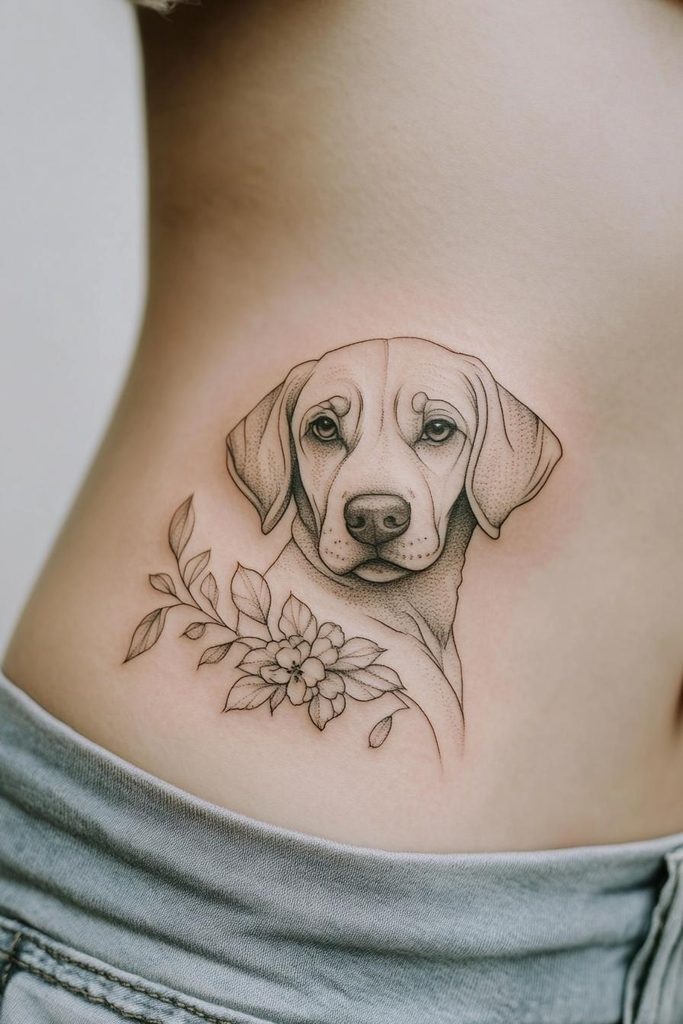
A tiny flower with petals that appear almost translucent. A delicate portrait capturing a familiar expression. Or a small animal tattoo with soft shading and barely visible outlines. These designs show why the Fine Line Realism Tattoo has become an appealing choice for people who love realistic artwork but prefer a subtle, understated appearance.
Fine line realism combines two artistic approaches: the delicate linework associated with fine line tattooing and the natural proportions, shading and textures of realism. The result can look like a miniature pencil drawing or a softly shaded photograph on skin.
However, creating realistic detail with fine lines requires careful planning. Skin changes over time, and extremely small features may not remain as sharp as they appear immediately after tattooing.
In this guide, we’ll explore how fine line realism works, popular design ideas, the difference between fine line and micro-realism, suitable placements and what to expect as the tattoo heals and ages.
What Is a Fine Line Realism Tattoo?
A Fine Line Realism Tattoo combines thin, precise linework with realistic shading to recreate recognizable subjects in a delicate visual style.

Traditional realism often uses broad tonal gradients and carefully developed contrast to create depth. Fine line realism may use similarly realistic proportions and shading, but with lighter visual weight and more restrained linework.
Các đặc điểm chung bao gồm:
• Thin, delicate outlines
• Soft black and grey shading
• Natural proportions and recognizable details
• Subtle textures rather than heavy graphic shapes
• Carefully preserved negative space
• Minimal or understated backgrounds
The goal is not necessarily to create the most detailed tattoo possible. Instead, the artist aims to preserve the essential features of a subject while keeping the design visually light.
Is fine line realism a separate tattoo style?
Fine line realism is a descriptive term rather than a universally standardized category. It sits at the intersection of fine line tattooing and realism.
Some artists describe similar work as delicate realism, fine line black and grey, illustrative realism or micro-realism, depending on the size and technique. These categories overlap, but they are not identical.
What Makes Fine Line Realism Tattoos Different?
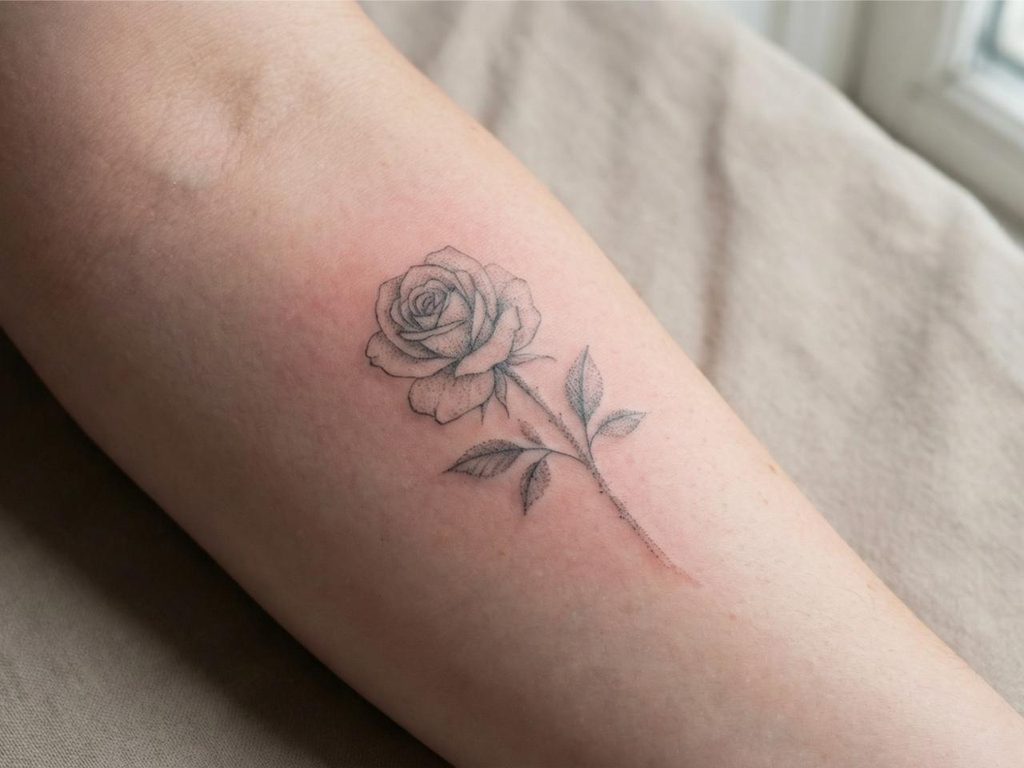
Subtle outlines, soft shading and delicate visual detail.
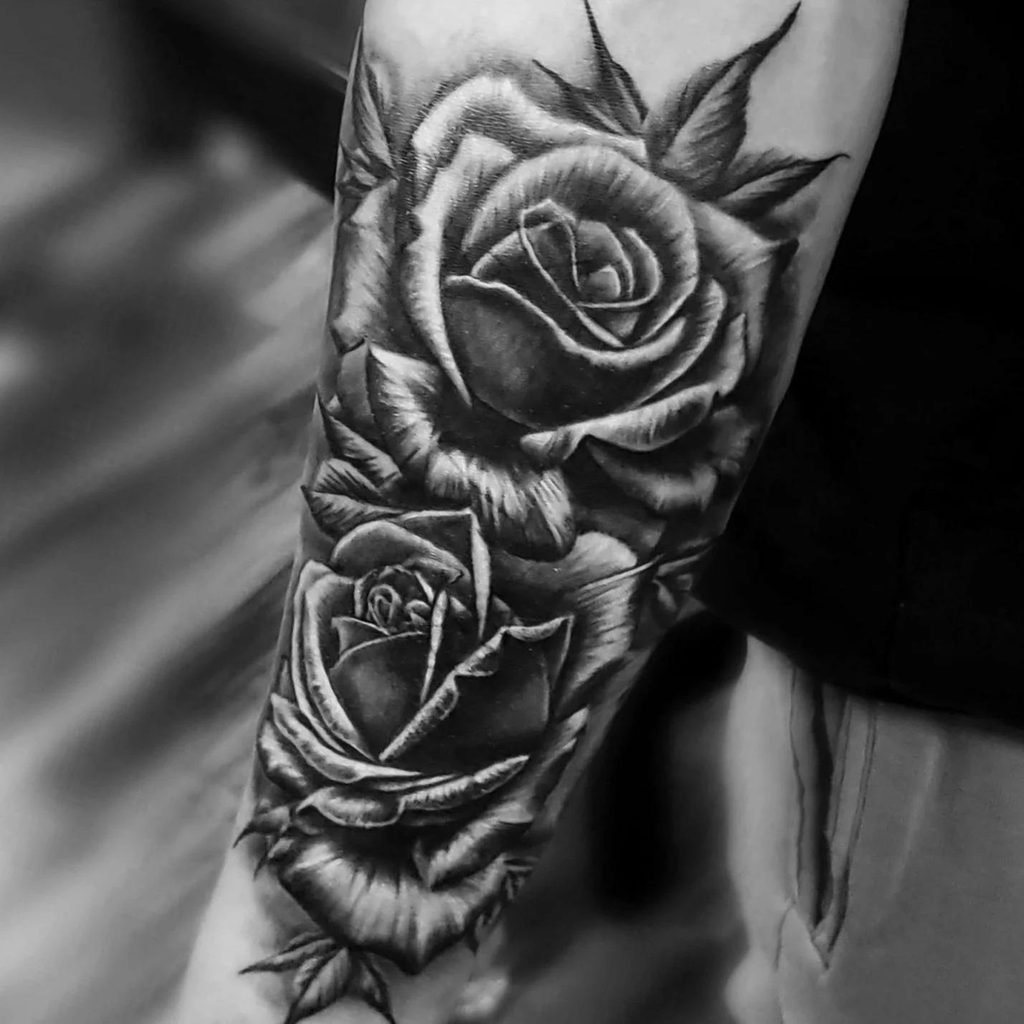
Greater tonal depth, stronger contrast and more substantial shading.
The defining characteristic of fine line realism is the balance between delicacy and lifelike representation. Fine line realism often creates a softer, lighter appearance.
However, the distinction is not absolute. A realism tattoo may contain fine lines, while a fine line design may include darker shading to preserve important features. The difference is primarily one of visual emphasis.
Fine line does not mean every line must be extremely thin
A successful design may use several line weights. Slightly stronger lines can help define important features, while finer marks create texture.
Using only the thinnest possible lines can make some designs less readable after healing. For that reason, skilled artists prioritize the long-term clarity of the image rather than pursuing delicacy at any cost.
How Do Fine Line Realism Tattoo Techniques Work?
Fine line realism requires control over linework, shading, spacing and composition. Because the design often uses fewer heavy outlines, small technical decisions can significantly affect the final appearance.
Thin Linework and Precise Details
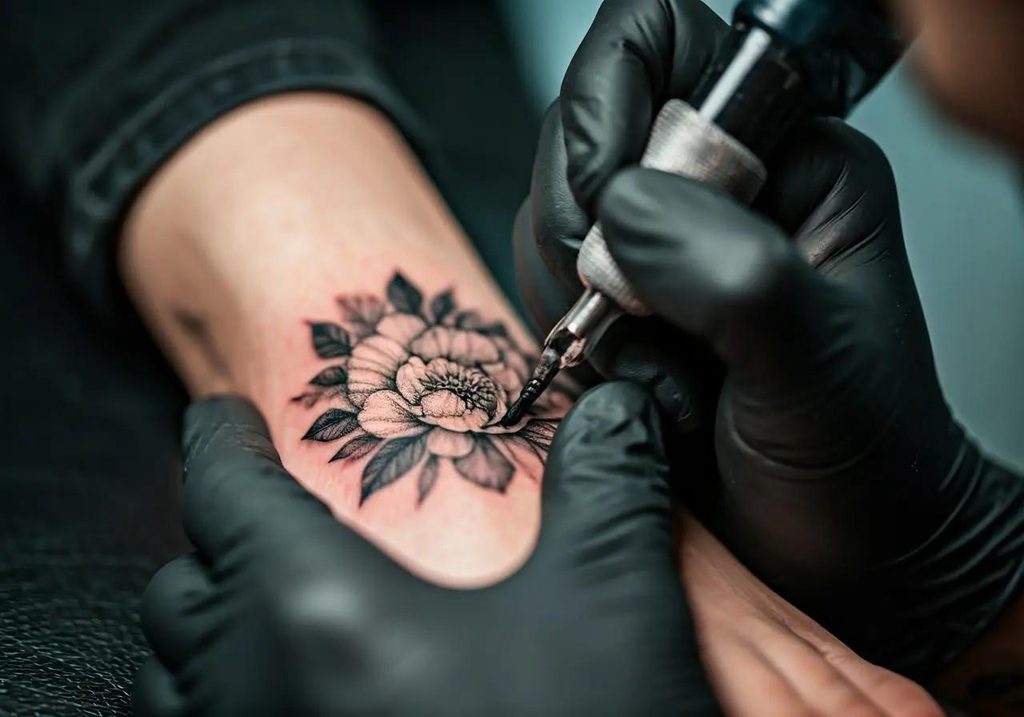
Fine line artists use carefully controlled needle configurations and movements to create thin marks. These lines may define facial features, flower petals, animal whiskers or the edges of small objects.
However, needle size alone does not determine the finished line. Depth, movement, skin characteristics and healing all influence the result.
Soft Shading and Grey Wash
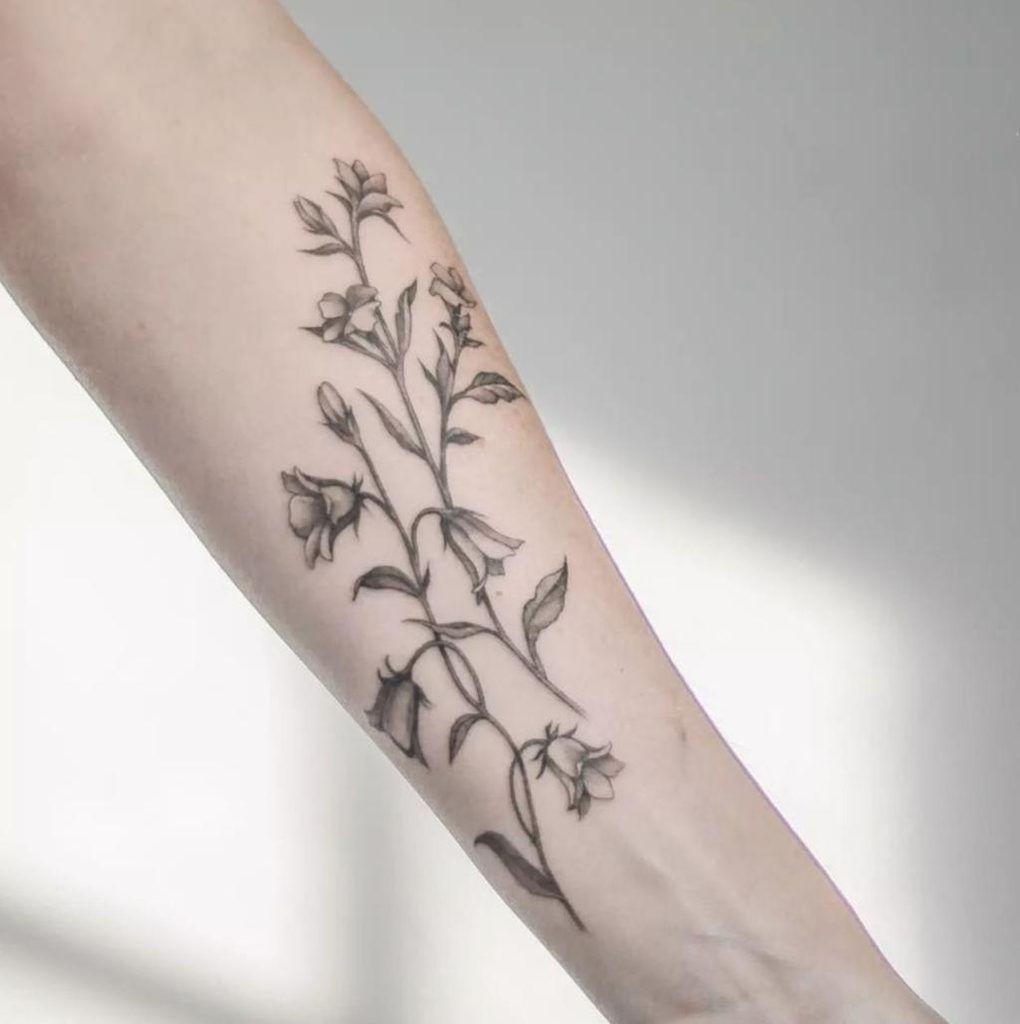
Grey wash uses diluted black ink to create lighter tonal values. In fine line realism, artists may combine subtle grey shading with selected darker areas to establish depth.
For example, a delicate flower may have thin petal outlines but slightly stronger shadows where the petals overlap. This creates a realistic effect without making the tattoo appear overly heavy.
Negative Space and Highlights
Negative space refers to areas where the natural skin remains visible. These spaces can represent highlights, separate small details and create a sense of lightness. They are especially important in delicate designs.
Without sufficient spacing, nearby lines and shaded areas may become less distinct as the tattoo ages.
Texture Without Overcrowding
Fine line realism often depends on suggesting texture rather than reproducing every detail. For example, a cat portrait does not need every strand of fur individually tattooed.
A few carefully placed marks, combined with natural shading, can communicate the direction and softness of the fur. The best fine line realism tattoos preserve the details that matter while allowing the design room to breathe.
Fine Line Realism Tattoo vs Micro-Realism: What’s the Difference?
These styles are frequently confused because both can feature delicate, detailed artwork. However, they describe different aspects of a tattoo.
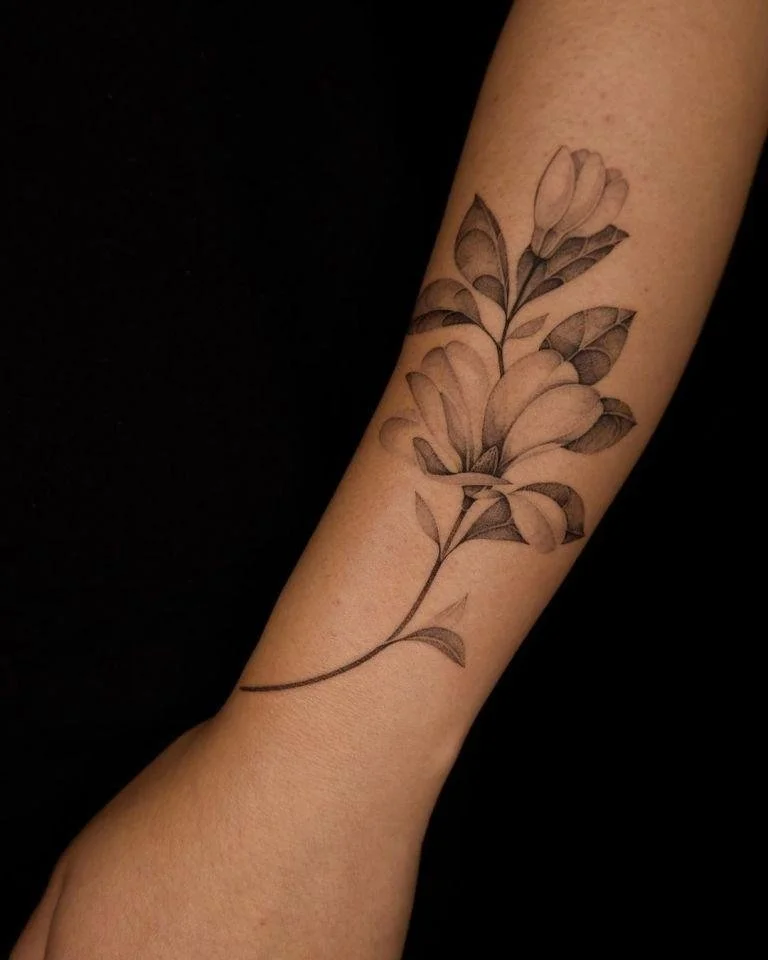
Defined primarily by delicate linework and subtle realistic rendering.
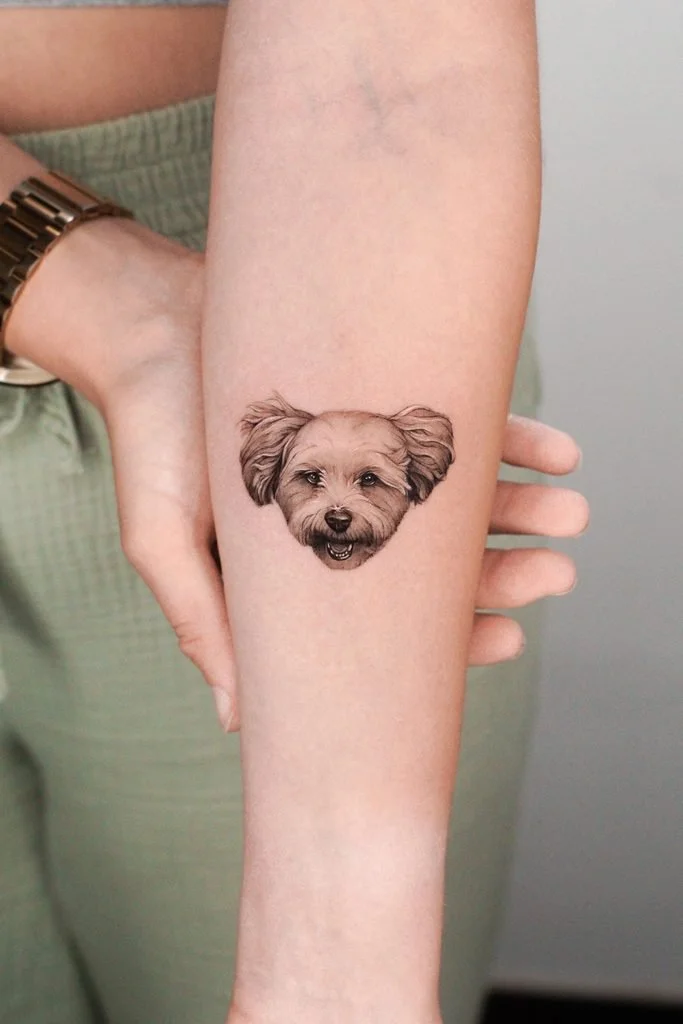
Defined primarily by small-scale realistic representation.
| Feature | Fine Line Realism | Micro-Realism |
|---|---|---|
| Main characteristic | Đường nét tinh tế | Small physical scale |
| Kích cỡ | Small, medium or occasionally large | Generally small |
| Shading | Often soft and restrained | Varies by design |
| Outlines | Usually thin and subtle | May be minimal or more defined |
| Common subjects | Flowers, animals, portraits | Miniature portraits, objects, landscapes |
| Main challenge | Maintaining delicate details | Preserving clarity in limited space |
A tattoo can be both fine line realism and micro-realism. For example, a tiny realistic cat portrait with thin outlines and soft shading may fit both descriptions.
However, a larger botanical tattoo can be fine line realism without being micro-realism.
Đọc thêm: Realism vs Traditional Tattoo: Key Differences Explained
Frequently Asked Questions About Fine Line Realism Tattoo
1. What is a Fine Line Realism Tattoo?
A Fine Line Realism Tattoo combines delicate linework with realistic proportions, shading and textures to create lifelike artwork with a subtle appearance.
2. Is fine line realism the same as micro-realism?
No. Fine line realism focuses on delicate linework and rendering, while micro-realism focuses on small-scale realistic tattoos. A design can belong to both categories.
3. Are fine line realism tattoos painful?
They can be uncomfortable like any tattoo. Pain depends on placement, session duration, technique and individual sensitivity. Thin lines do not guarantee a painless experience.
4. Can a fine line realism tattoo be colorful?
Yes. Although many fine line realism tattoos use black and grey, color can be incorporated. The artist must plan contrast and pigment visibility carefully.
5. Are fine line realism tattoos more expensive?
Not necessarily. Pricing depends on size, complexity, time and artist experience. A small but technically demanding design may still require careful preparation.
6. What subjects work best for fine line realism?
Flowers, animals, butterflies, simple objects and carefully planned portraits are popular choices. The best subjects have clear, recognizable forms that can be represented without overcrowding.
Final Thoughts: Why Choose a Fine Line Realism Tattoo?
A Fine Line Realism Tattoo offers a delicate way to preserve meaningful images through lifelike proportions, subtle shading and carefully controlled details.
It is particularly appealing for people who love realistic artwork but prefer a softer, more understated aesthetic.
However, the beauty of fine line realism depends on balance.
The artist must know when to include detail, when to simplify it and how much space the design needs.
The most successful fine line realism tattoos are not necessarily the smallest or most intricate. They are the ones that remain clear, recognizable and meaningful as the skin ages.
Get Your Fine Line Realism Tattoo in Hanoi
Looking for a delicate realistic tattoo during your visit to Hanoi?
At 3 of Spades Hanoi Tattoo, our artists can help you explore fine line realism designs based on your preferred subject, size and placement.
Whether you’re considering a botanical tattoo, a delicate animal portrait or a meaningful small design, we can discuss how to balance detail with long-term readability.
Located in Hanoi’s Old Quarter, our studio welcomes international travelers seeking a comfortable and collaborative tattoo experience.
Send us your reference images, approximate size in centimeters, preferred placement and Hanoi travel dates to discuss your idea and receive a quote.
Every tattoo has a story. Let’s create yours.