
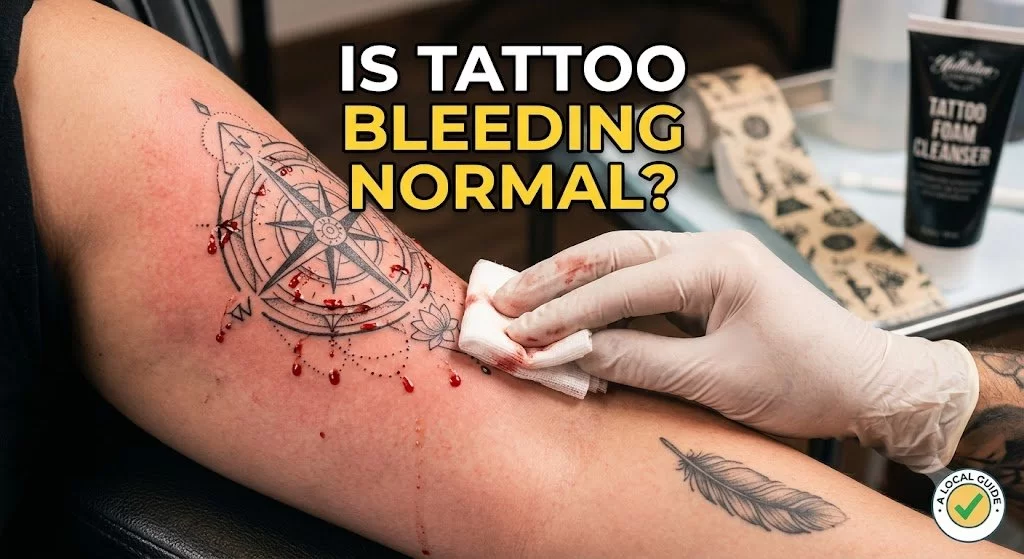
- Is Tattoo Bleeding Normal?
- What Causes Excessive Tattoo Bleeding?
- How to Stop Tattoo Bleeding
- When to See a Doctor About Tattoo Bleeding
- How to Reduce Tattoo Bleeding Before Your Session
- Aftercare and Tattoo Bleeding Advice from 3 of Spades Hanoi Tattoo
- Tattoo Bleeding: Frequently Asked Questions
- How long should a new tattoo bleed?
- Why is my tattoo bleeding after 3 days?
- Is it normal for my tattoo to leak clear fluid?
- Does tattoo bleeding mean my tattoo will lose ink?
- Can I take ibuprofen for tattoo pain?
- Does alcohol cause tattoo bleeding?
- Can I get a tattoo if I take blood thinners?
- When should I see a doctor about tattoo bleeding?
- Should I re-wrap my tattoo if it is still bleeding?
- Still Worried About Tattoo Bleeding?
Tattoo bleeding is one of the most common reasons people message a studio in a panic on day one, and in the large majority of cases nothing has gone wrong. A tattoo is an open wound made by thousands of needle punctures, so some blood is part of the process. The useful skill is knowing where normal ends and a problem begins. This guide from our hanoi tattoo studio covers both.
This article is general aftercare information, not medical advice. If you have signs of infection or you are worried about a wound, see a doctor or pharmacist rather than waiting it out.
Is Tattoo Bleeding Normal?

Yes, within limits. A fresh tattoo will usually seep a mix of blood, clear plasma, and excess ink for the first several hours, and light seeping can continue for up to 24 hours. Some pieces, particularly heavily saturated colour work or large solid areas, take a little longer to settle.
Clotting typically begins within about 12 to 36 hours of finishing. After that you should see the fluid change: less red, more clear or straw-coloured plasma, then gradually nothing.
What Normal Tattoo Bleeding Looks Like
- Light seeping of blood mixed with clear or pale yellow plasma
- Some ink coming away with the fluid, which can look alarming and is not a sign your tattoo is being ruined
- Fluid that reduces noticeably each day rather than staying constant
- Mild swelling, warmth, and redness immediately around the lines
- A wrap or second skin filling with a red-tinged liquid, which is a normal mix of plasma, blood, and ink
When Tattoo Bleeding Is No Longer Normal
- Still actively bleeding red blood beyond 48 hours
- Bleeding that soaks through dressings repeatedly rather than slowing
- Fresh bleeding starting again days later, usually from picking, scratching, or friction
- Thick, opaque discharge that is yellow or green rather than clear
- Any foul or sour smell
- Skin that is hot to the touch, with redness spreading outward from the tattoo
- Fever, chills, or body aches
The last four are not really about bleeding anymore. Those are infection signs and they need a doctor, not aftercare cream.
What Causes Excessive Tattoo Bleeding?

If your piece bled more than you expected, there is usually a specific reason.
Alcohol and Painkillers Cause Tattoo Bleeding
This is the most common cause by a wide margin. Alcohol thins the blood, and so do aspirin and ibuprofen. Drinking the night before a session, or taking ibuprofen for the pain afterward, measurably increases how much you bleed.
If you need pain relief around a tattoo, paracetamol or acetaminophen does not have the same blood-thinning effect and is the better choice.
Prescribed Blood Thinners and Tattoo Bleeding
If you take anticoagulant medication for a medical reason, expect more bleeding and tell your artist before you book. Critically: do not stop prescribed medication to get a tattoo. That is a decision for your doctor, not your tattooist, and the risks of stopping are far more serious than a longer healing time.
Placement Affects Tattoo Bleeding
Thin skin sitting over dense blood supply bleeds more. The wrists, inner arms, ankles, ribs, neck, and hands all tend to seep more than a thigh or an outer forearm.
Technique and Session Length Affect Tattoo Bleeding
Heavy colour packing, extensive reworking of the same area, or a needle running deeper than necessary all create more trauma and more bleeding. This is one of several reasons artist skill matters beyond how the design looks.
Activity After Your Session Causes Tattoo Bleeding
Intense exercise, heat, sun, hot showers, saunas, and alcohol immediately after a session all raise blood flow to the skin and can restart seeping. Hanoi’s summer heat and humidity make this a genuine factor locally, not a theoretical one.
How to Stop Tattoo Bleeding
First 24 Hours: Managing Tattoo Bleeding
- Leave the original wrap on for the time your artist specified. Not longer, not shorter. Different wraps have different timings.
- Wash gently with clean hands. Lukewarm water and a fragrance-free antibacterial soap, using fingertips only. No cloths, no scrubbing.
- Pat dry with a clean paper towel. Do not rub, and do not use a shared bath towel.
- Apply light pressure with clean gauze if an area is still seeping. Hold for a few minutes rather than dabbing repeatedly.
- Apply a thin layer of aftercare ointment. Thin is the operative word. A thick layer traps fluid and slows clotting.
- Keep the area elevated where practical, especially for hands, feet, and lower legs.
What Makes Tattoo Bleeding Worse
- Alcohol, aspirin, and ibuprofen in the first 48 hours
- Hot showers, baths, swimming pools, saunas, and steam
- Direct sun on the fresh tattoo
- Tight clothing rubbing the area
- Heavy exercise and sweating
- Picking, scratching, or peeling scabs, which is the most common cause of bleeding that restarts on day three or four
- Re-wrapping a fresh tattoo in clingfilm for hours, which traps moisture and bacteria
Second Skin Wraps and Tattoo Bleeding
If you have a transparent adhesive wrap, some blood and plasma pooling underneath is expected and normal. It usually looks worse than it is.
Remove and replace it if the fluid build-up becomes excessive, if the seal lifts and lets fluid escape, or if your artist told you to change it at a set point. Removing it under warm running water makes the process far less unpleasant.
When to See a Doctor About Tattoo Bleeding
Get medical attention, not studio advice, if you have:
- Bleeding that will not stop after 48 hours or soaks through dressings repeatedly
- Thick yellow or green discharge, or pus
- A foul smell coming from the tattoo
- Spreading redness, red streaks running away from the tattoo, or skin that is hot to the touch
- Fever, chills, or feeling generally unwell
- Severe or worsening pain rather than the dull ache that improves each day
Infections are uncommon with a professional studio and proper aftercare, but they are treatable and treated early they are minor. Waiting is what turns them into a real problem.
Any concerns about a piece done at our studio, message 3 of Spades Hanoi Tattoo directly and we will talk you through it!
How to Reduce Tattoo Bleeding Before Your Session
Prevention is easier than management.
- No alcohol for 24 hours before. The single most effective thing you can do.
- Avoid aspirin and ibuprofen in the 24 hours beforehand unless prescribed.
- Eat a proper meal within a couple of hours of your appointment. Low blood sugar makes everything worse.
- Hydrate well the day before and the day of. Well-hydrated skin takes ink better and bleeds less.
- Sleep properly the night before.
- Tell your artist about any medication or condition affecting bleeding or healing before the needle starts.
- Skip the heavy gym session the day before and the day of.
Aftercare and Tattoo Bleeding Advice from 3 of Spades Hanoi Tattoo
Aftercare in Hanoi has local complications. The heat, humidity, and pollution mean a fresh tattoo needs more protection here than it would in a cooler, drier climate, and swimming in the sea or a pool while healing is a genuinely bad idea however tempting the trip to Ha Long feels.
Every client at Hình xăm lá bài 3 bích Hà Nội leaves with aftercare instructions specific to their piece, their placement, and how long they are staying in Vietnam, because a traveller flying out in three days needs different advice from a resident.
Why Aftercare Support Makes the Best Tattoo Shop in Hanoi
- Artists including Moe and Raven working across fine line, illustrative, brush style, and black and grey realism
- Written and verbal aftercare guidance in English before you leave the studio
- Ongoing support by message if something looks wrong during healing, whether you are still in Hanoi or already home
- Central Old Quarter location at 96 Hang Ma, Hoan Kiem, open daily 10:00 to 20:00
Tattoo Bleeding: Frequently Asked Questions
How long should a new tattoo bleed?
Most tattoos seep blood and plasma for a few hours up to around 24 hours, with clotting typically starting within 12 to 36 hours. Actively bleeding red blood beyond 48 hours is not normal.
Why is my tattoo bleeding after 3 days?
Bleeding that restarts after several days is usually caused by picking, scratching, friction from clothing, or reopened scabs rather than a problem with the tattoo itself.
Is it normal for my tattoo to leak clear fluid?
Yes. Clear or pale yellow fluid is plasma and it is a normal part of healing. Thick, opaque, yellow or green fluid is pus and needs medical attention.
Does tattoo bleeding mean my tattoo will lose ink?
No. Seeing ink in the fluid during the first day is normal excess pigment leaving the surface, not ink lost from the finished tattoo.
Can I take ibuprofen for tattoo pain?
Ibuprofen and aspirin thin the blood and can increase bleeding. Paracetamol or acetaminophen is generally the better option, though check with a pharmacist if you take other medication.
Does alcohol cause tattoo bleeding?
Yes. Alcohol thins the blood, so drinking before or straight after a session noticeably increases bleeding and can interfere with clotting.
Can I get a tattoo if I take blood thinners?
Discuss it with both your doctor and your artist first. Never stop prescribed medication to get a tattoo, since the medical risk is far greater than the inconvenience of extra bleeding.
When should I see a doctor about tattoo bleeding?
See a doctor for bleeding that will not stop after 48 hours, thick yellow or green discharge, foul smell, spreading redness or red streaks, skin hot to the touch, or fever and chills.
Should I re-wrap my tattoo if it is still bleeding?
Follow your artist’s specific instructions. Re-wrapping fresh tattoos in clingfilm for long periods traps moisture and bacteria, so it is not a general fix for seeping.
Still Worried About Tattoo Bleeding?
A little blood on day one is the process working. If something looks or feels wrong beyond that, ask sooner rather than later. Message Hình xăm lá bài 3 bích Hà Nội at 96 Hang Ma, Hoan Kiem, open daily from 10:00 to 20:00, or see a doctor if you have any sign of infection.


