- What Does a Geisha Tattoo Mean?
- Who Are Geisha in Japanese Culture?
- Where Did Geisha Tattoo Imagery Originate?
- Why Does a Geisha Tattoo Symbolize Beauty and Elegance?
- Why Does a Geisha Tattoo Represent Artistic Mastery?
- Are Geisha and Courtesans the Same Thing?
- Where Should You Place a Geisha Tattoo?
- Is a Geisha Tattoo Considered Cultural Appropriation?
- Frequently Asked Questions About Geisha Tattoo
- Final Thoughts: What Does a Geisha Tattoo Represent?
- Create Your Geisha Tattoo in Hanoi
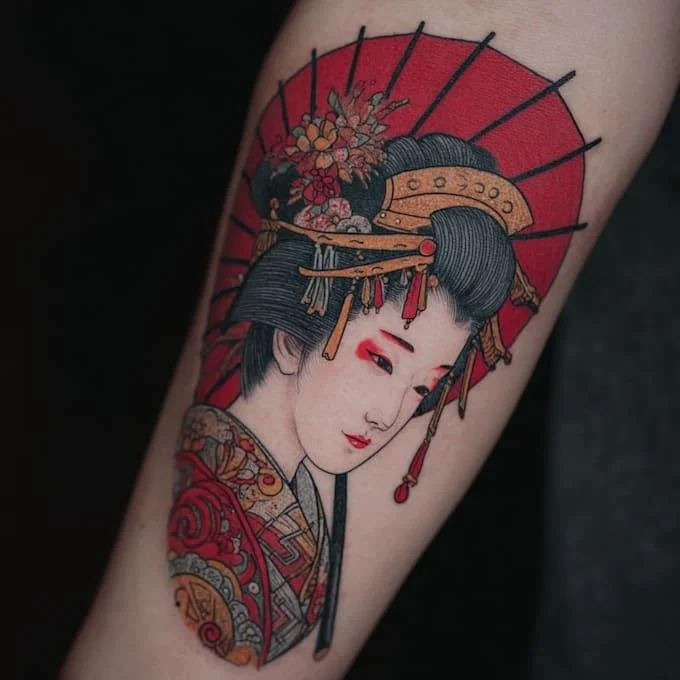
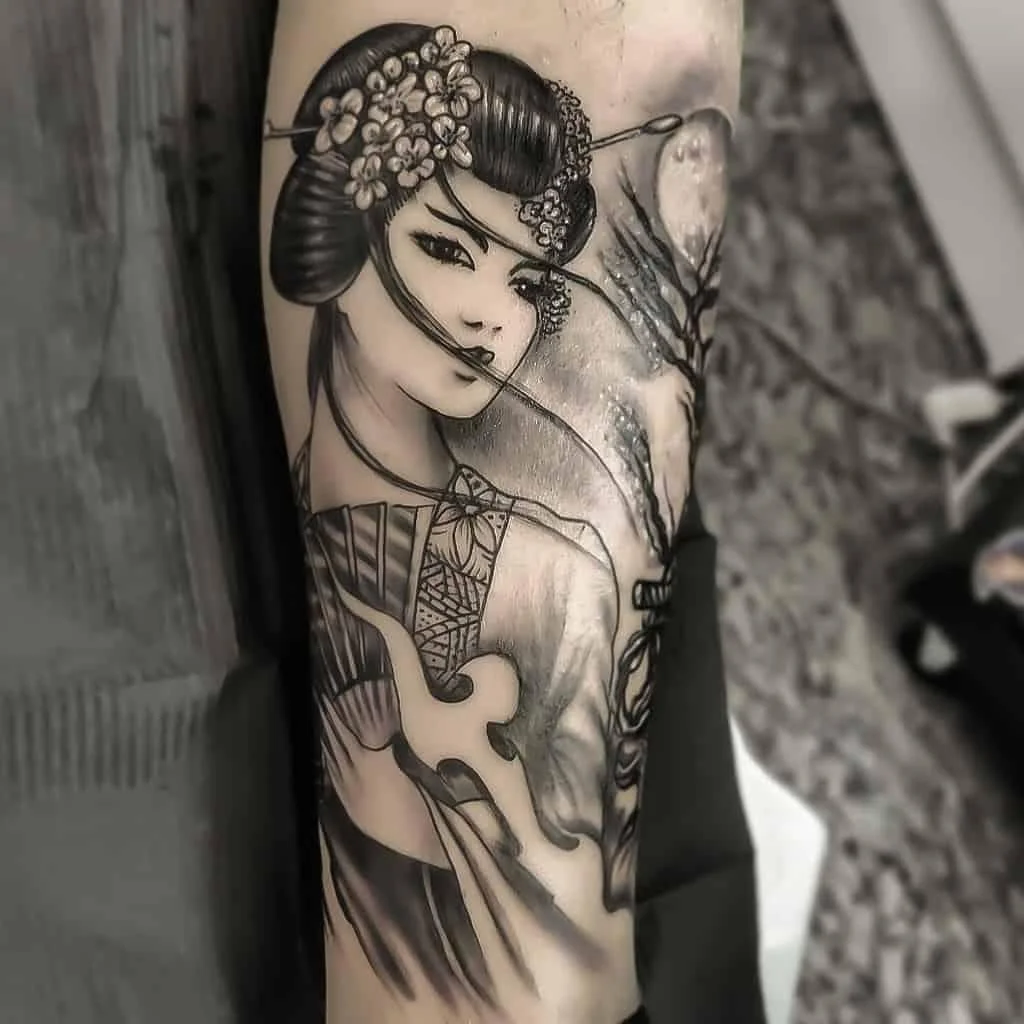
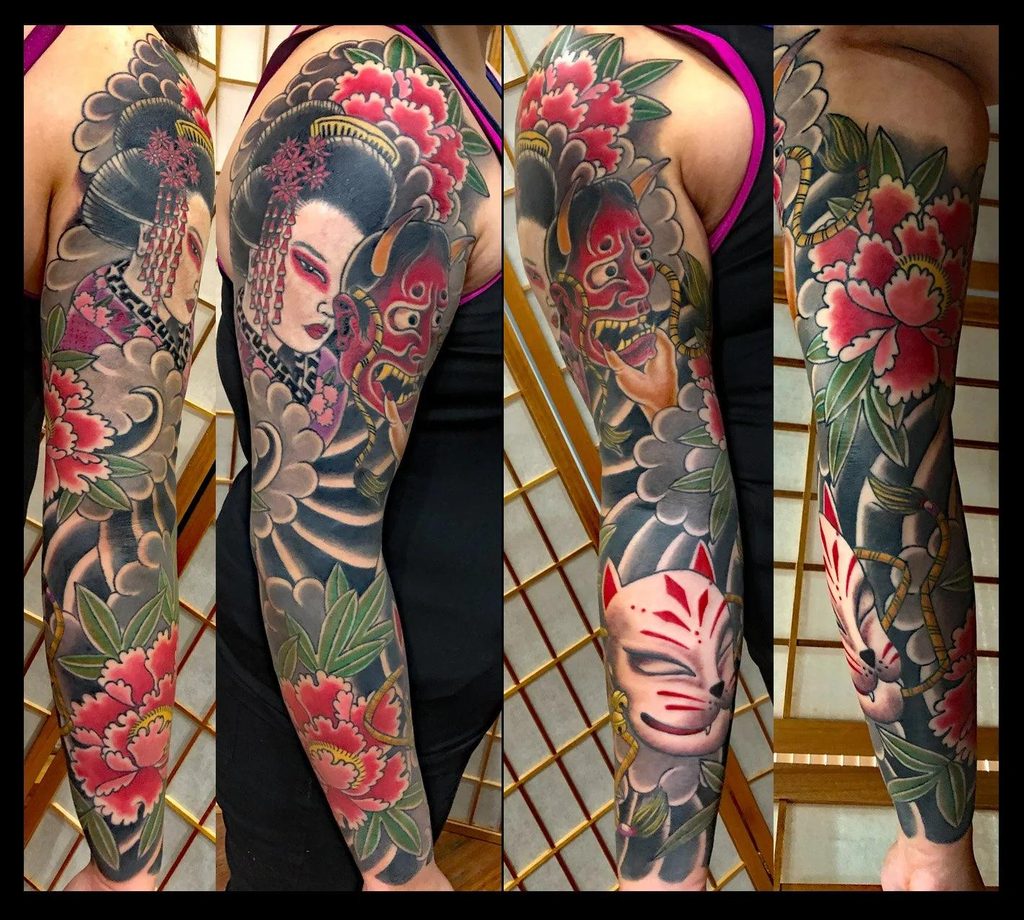
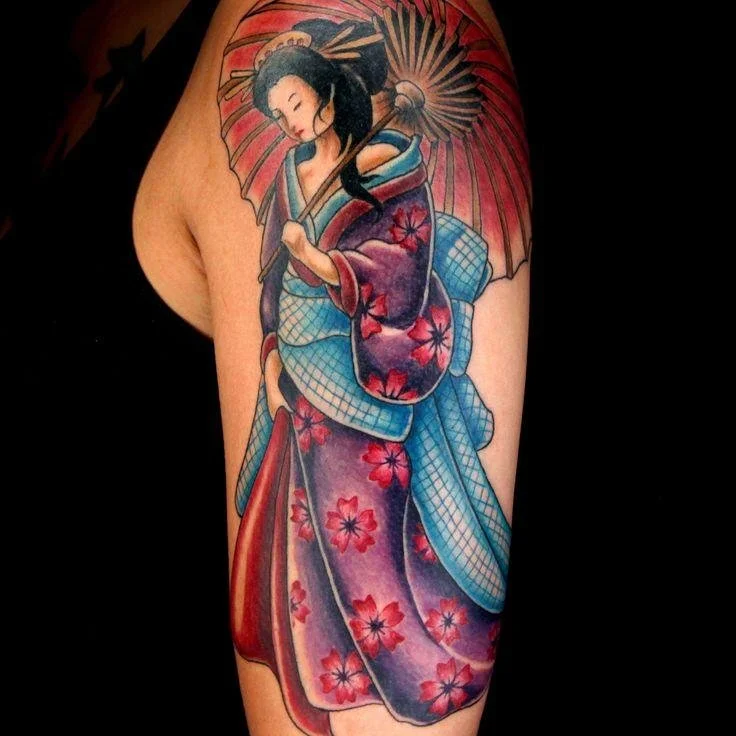
A woman stands beneath falling cherry blossoms, her elaborate kimono flowing gently around her. Her hair is carefully arranged, her expression calm and composed.
At first glance, a Geisha Tattoo appears to represent beauty and elegance. But behind that image lies a much richer cultural story.
Geisha are highly trained Japanese performing artists whose traditions involve music, dance, conversation, hospitality and years of artistic practice. Their appearance is instantly recognizable, but the meaning of their profession goes far beyond makeup and beautiful clothing.
A Geisha tattoo can therefore represent artistic mastery, discipline, cultural appreciation, grace and personal expression. Yet the Geisha is also one of the most misunderstood figures in Japanese culture.
To understand the meaning of a Geisha tattoo, we need to look beyond the familiar image of a woman in a kimono and explore the history of the artists behind it.
What Does a Geisha Tattoo Mean?
A Geisha Tattoo can represent several interconnected ideas, depending on the design and the wearer’s personal interpretation.
Common meanings include:
• Beauty and elegance: An appreciation of grace, aesthetics and refined presentation.
• Artistic mastery: Respect for years of practice, performance and creative discipline.
• Dedication: Commitment to developing a skill through patience and training.
• Tradition: A connection to Japanese performing arts and cultural heritage.
• Self-expression: The relationship between personal identity, appearance and artistic performance.
• Resilience: A contemporary interpretation of the dedication required to sustain demanding artistic traditions.
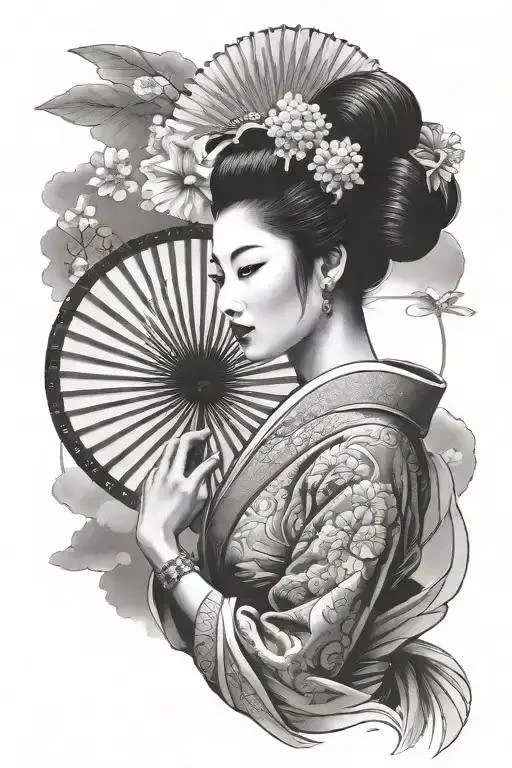
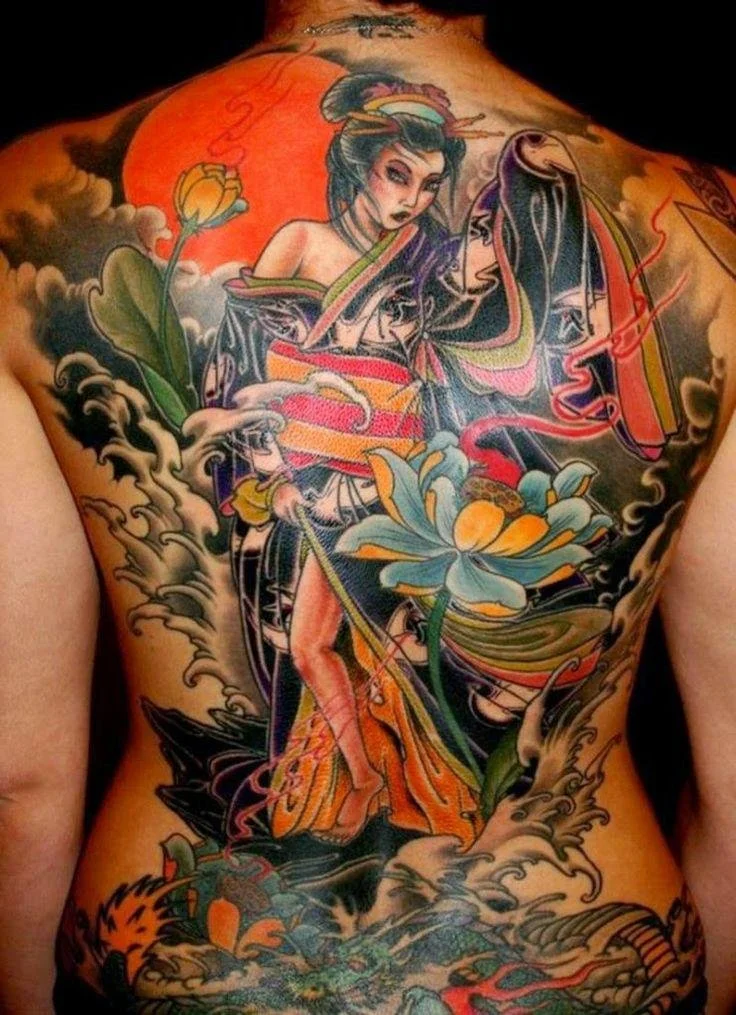
However, these are not fixed historical tattoo meanings. Geisha imagery developed through Japanese visual culture, while modern tattoo wearers may interpret it through their own experiences.
A Geisha tattoo representing dedication to the arts might be especially meaningful to a musician, dancer, painter or anyone who values creative mastery.
The most meaningful Geisha tattoo isn’t simply about looking beautiful. It is about understanding the work behind that beauty.
Who Are Geisha in Japanese Culture?
The word Geisha (芸者) combines two Japanese characters:
• Gei (芸): Art or artistic skill.
• Sha (者): Person.
The term is commonly understood as a person of the arts.
Geisha are professional entertainers trained in traditional Japanese performing arts and refined hospitality.
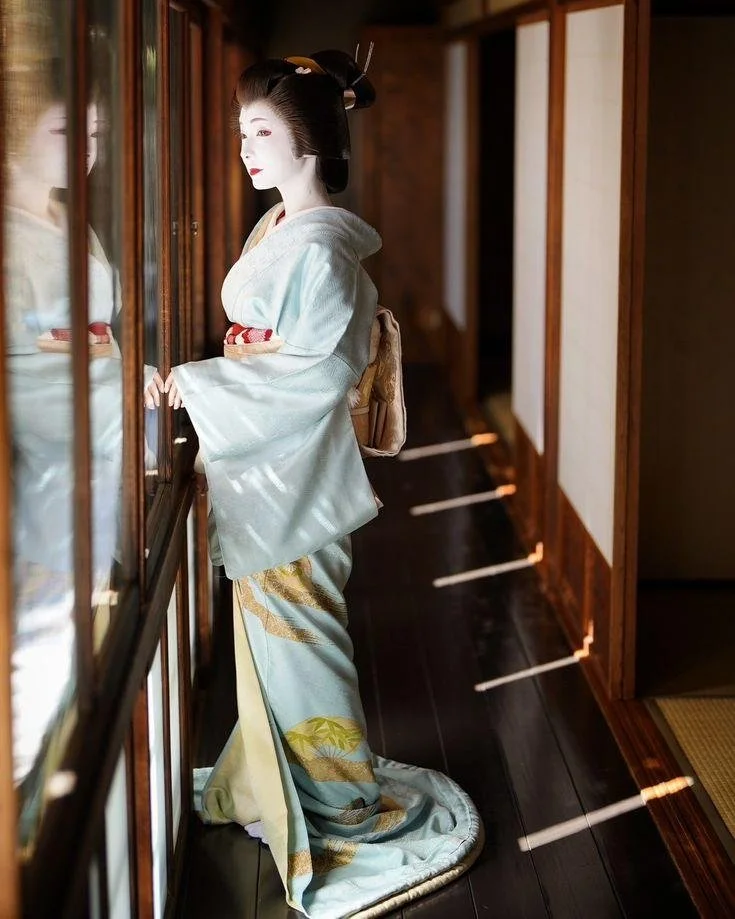
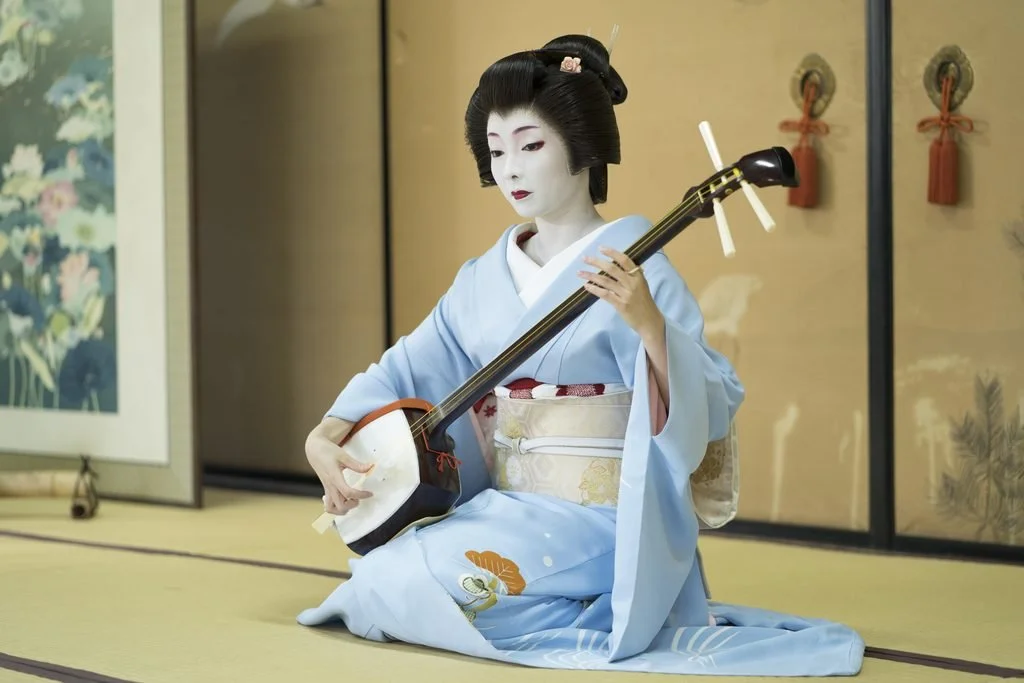
Their artistic training can include:
• Traditional Japanese dance
• Shamisen music
• Singing
• Conversation and hospitality
• Etiquette and cultural customs
• Seasonal performances
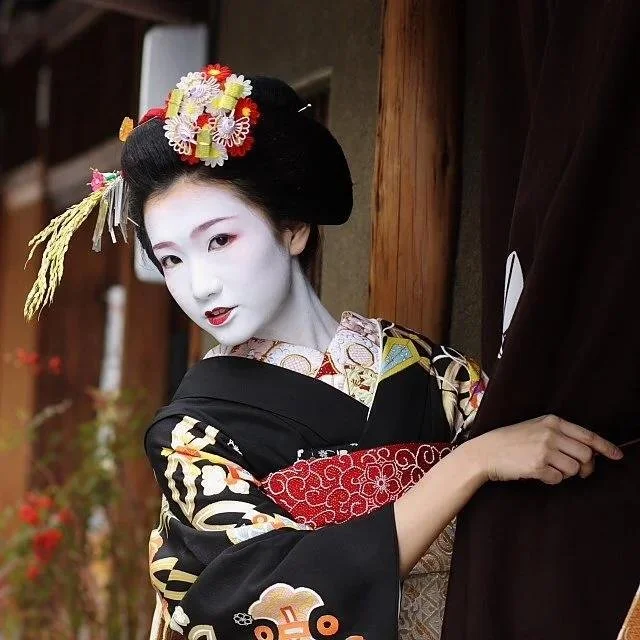
In Kyoto, fully trained Geisha are generally called Geiko, while apprentices are known as Maiko.
The distinction matters because the familiar image of a young woman wearing elaborate hair ornaments and distinctive white makeup is often specifically associated with Maiko rather than all Geisha.
Are Geisha and Maiko the same?
No.
A Maiko is an apprentice learning the skills and customs required to become a Geiko. Her appearance, hairstyle and kimono often differ from those of a fully trained performer.
Understanding that distinction helps tattoo artists choose more historically and culturally accurate visual references.
Where Did Geisha Tattoo Imagery Originate?
Geisha culture developed during Japan’s Edo period, particularly as urban entertainment districts and performing arts flourished.
Early Geisha were not exclusively women. Male entertainers also performed roles that contributed to the development of the profession. Over time, female Geisha became increasingly prominent.
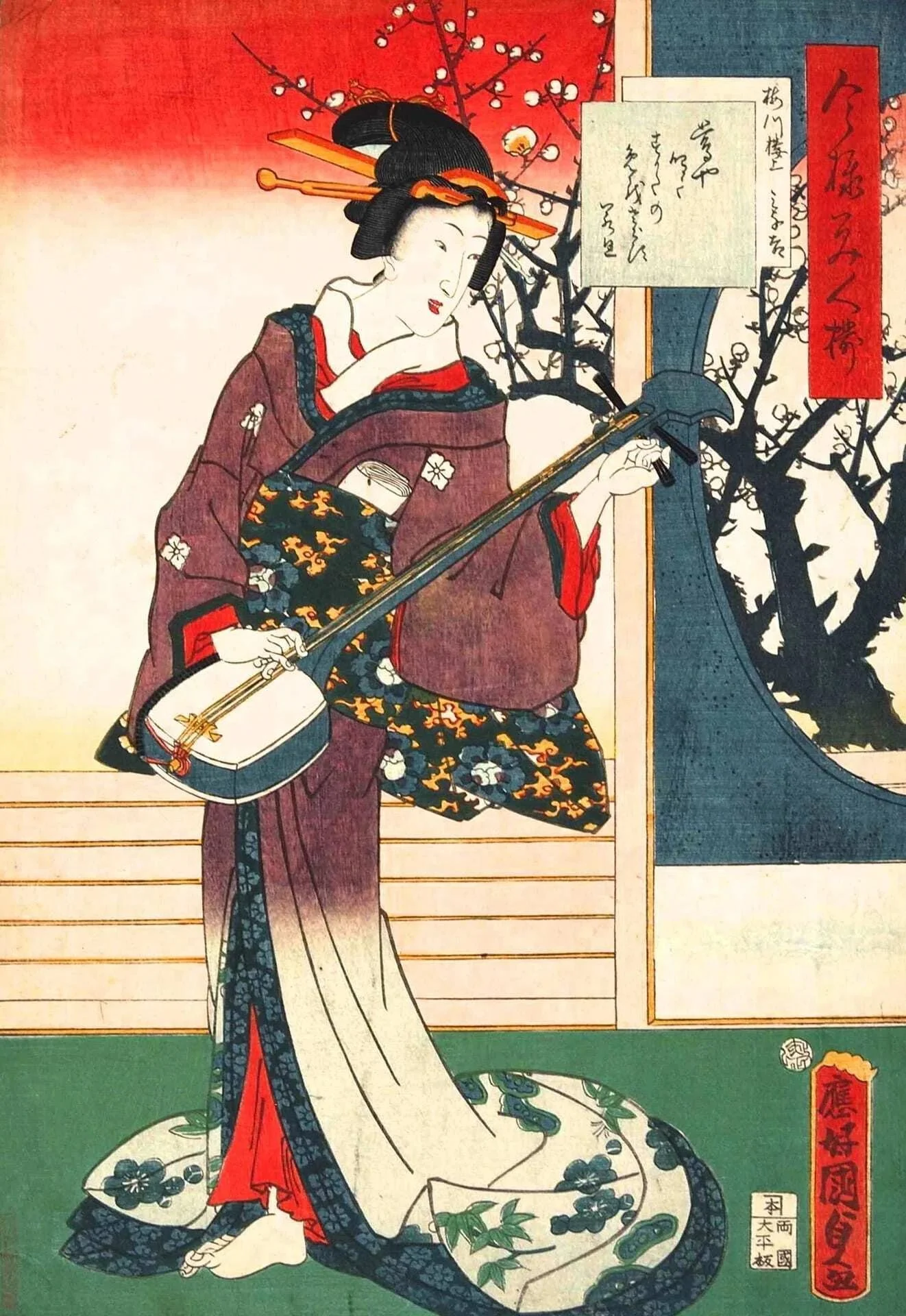
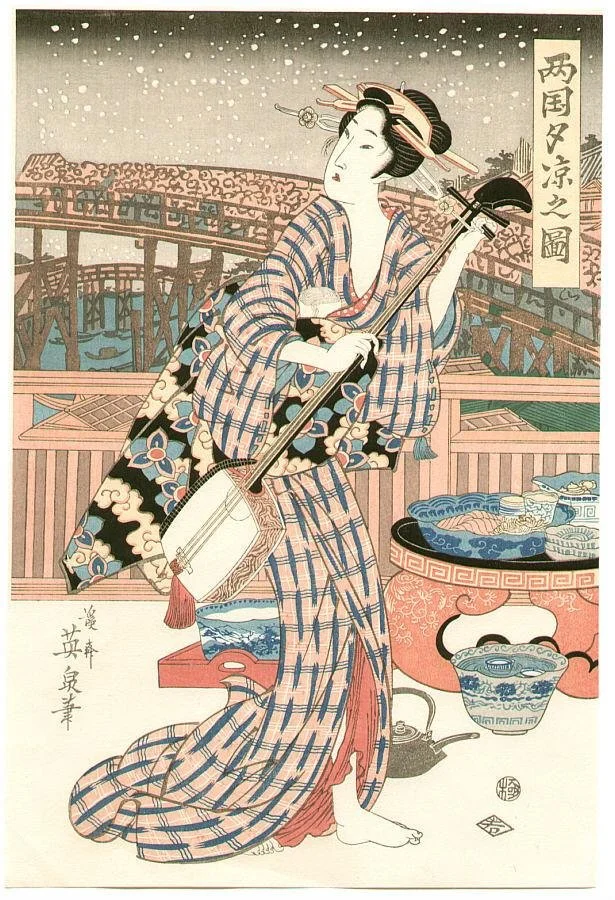
During the eighteenth and nineteenth centuries, Japanese woodblock artists frequently depicted women associated with entertainment districts, music, fashion and urban culture.
These images contributed to the visual language that later influenced Japanese-inspired tattooing.
How did ukiyo-e influence Geisha tattoos?
Ukiyo-e, meaning roughly “pictures of the floating world,” was a major form of Japanese art during the Edo period. Its subjects included actors, landscapes, fashionable women, entertainers and scenes of urban life.
The genre of bijin-ga, or pictures of beautiful women, became particularly influential.
Artists such as Kitagawa Utamaro developed elegant compositions featuring carefully arranged hairstyles, patterned clothing and expressive gestures.
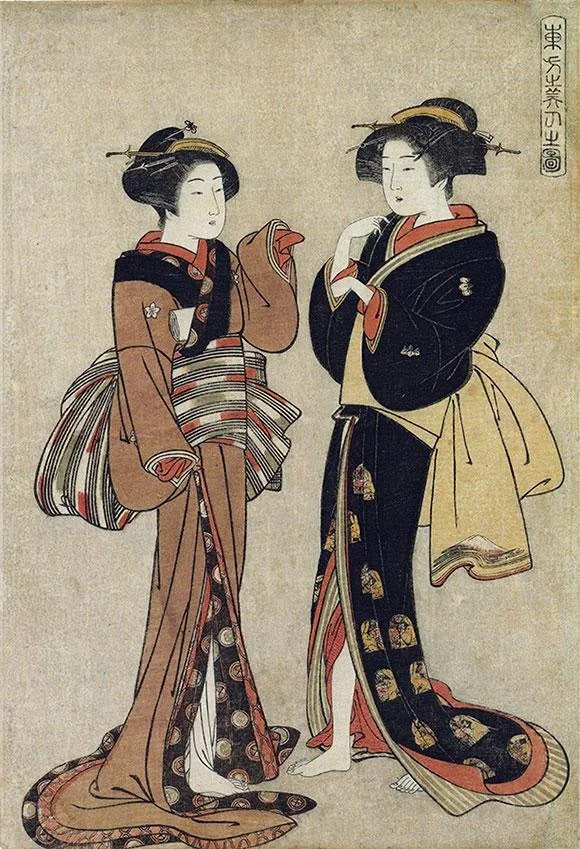
These artistic traditions helped establish the recognizable aesthetics of Japanese female portraiture.
However, not every woman depicted in bijin-ga is a Geisha. The genre also includes courtesans and other women, whose professions and social roles should not be confused.
For tattoo design, that distinction matters. A historical image of a courtesan should not automatically be labeled a Geisha simply because she wears an elaborate kimono.
Why Does a Geisha Tattoo Symbolize Beauty and Elegance?
Beauty is the most immediate visual association of a Geisha tattoo. Traditional Geisha presentation involves carefully coordinated clothing, hairstyles, makeup and movement.
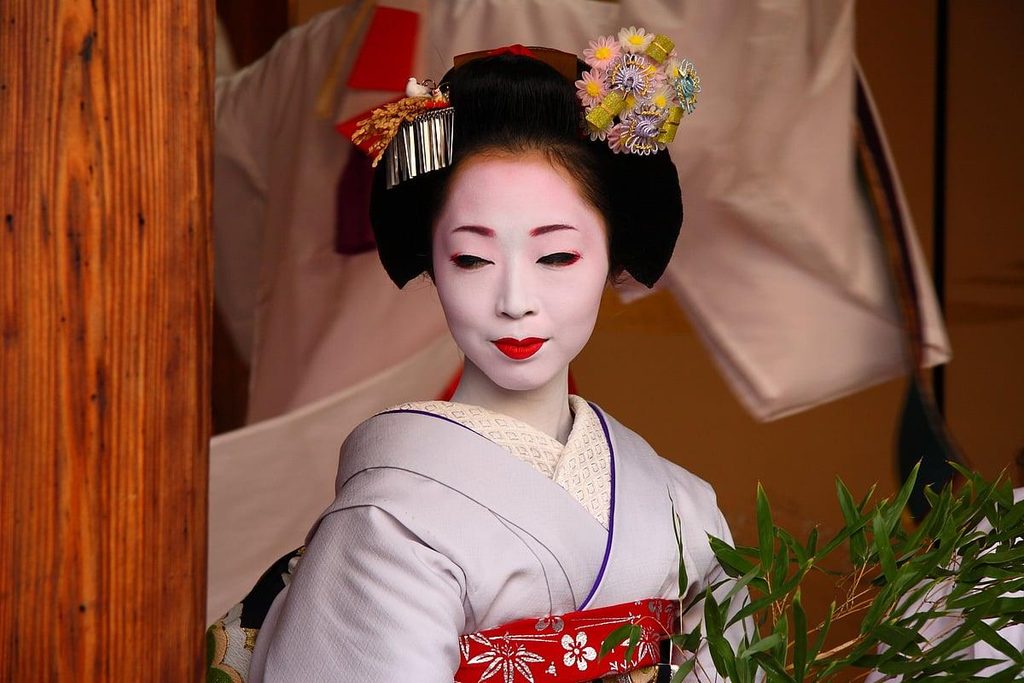
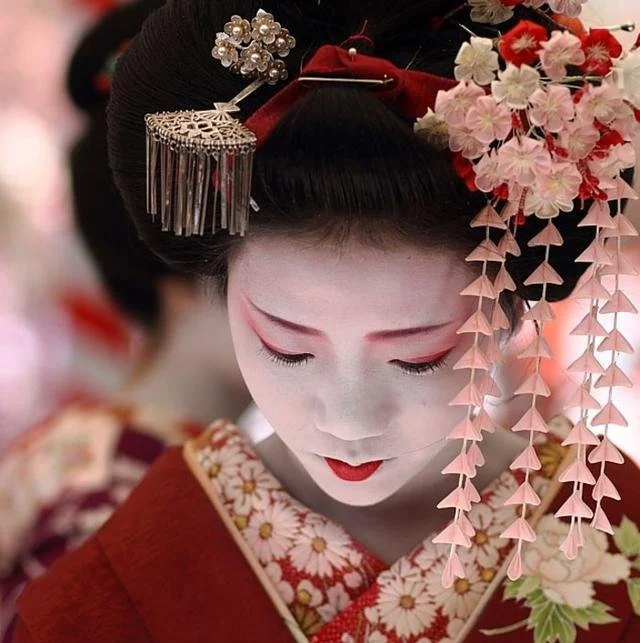
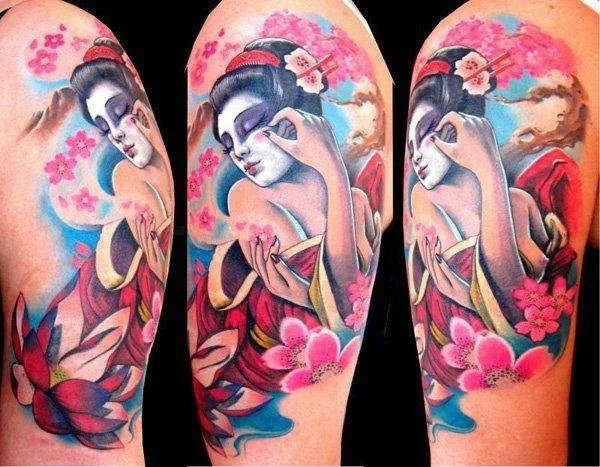
But this beauty is not simply decorative. It is part of a broader performance tradition requiring control, training and attention to detail.
A Geisha’s gestures, posture and presentation contribute to the atmosphere of an artistic performance. This gives the symbolism of beauty a deeper dimension.
In a tattoo, the Geisha may represent:
• Appreciation of Japanese aesthetics
• Grace under pressure
• Personal refinement
• The relationship between appearance and identity
• Beauty developed through skill and discipline
The image becomes more meaningful when elegance is understood as something practiced and cultivated, rather than merely inherited.
Why Does a Geisha Tattoo Represent Artistic Mastery?
The artistic dimension of Geisha culture is central to understanding its symbolism. Becoming a skilled performer requires years of training and continued practice.
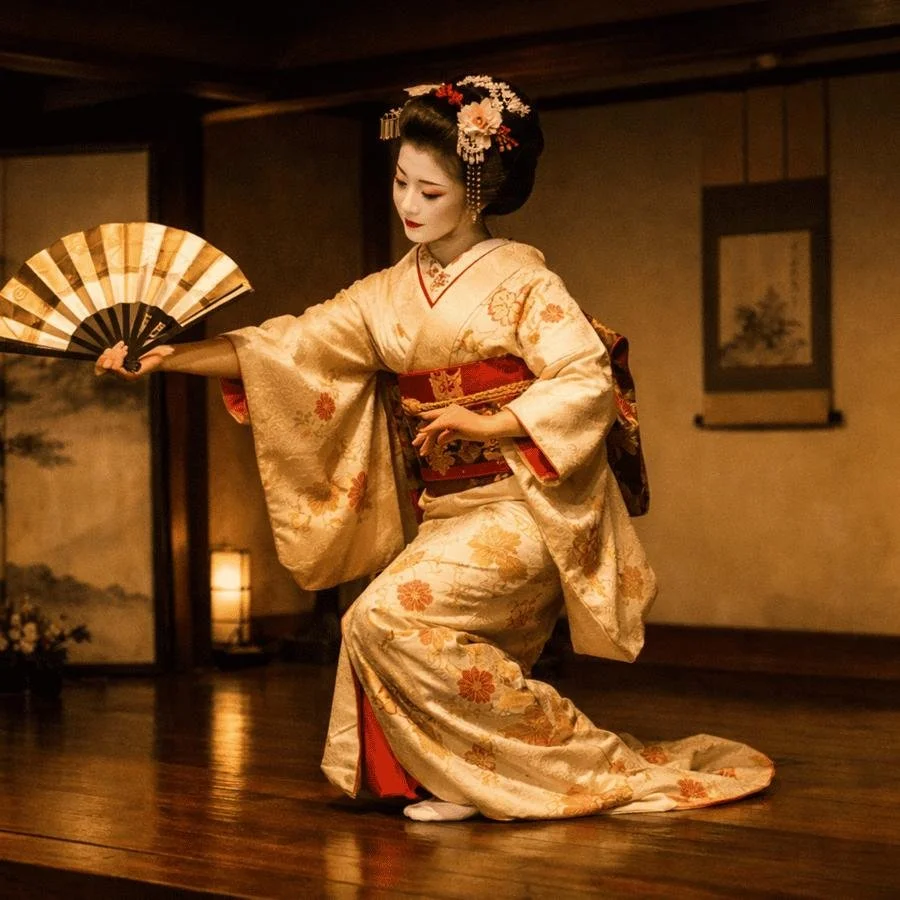
A Geisha must develop technical ability while also learning how to communicate through performance. This can include music, dance, conversation and the subtleties of traditional hospitality.
A Geisha tattoo can therefore become a personal symbol of:
• Dedication to a craft
• Respect for tradition
• Lifelong learning
• Artistic discipline
• Creative identity
For someone who works in the arts, this interpretation may feel more relevant than the familiar association with beauty alone. A Geisha represents not only the finished performance, but the years of practice that make it possible.
Are Geisha and Courtesans the Same Thing?
No. This is one of the most important misconceptions to address.
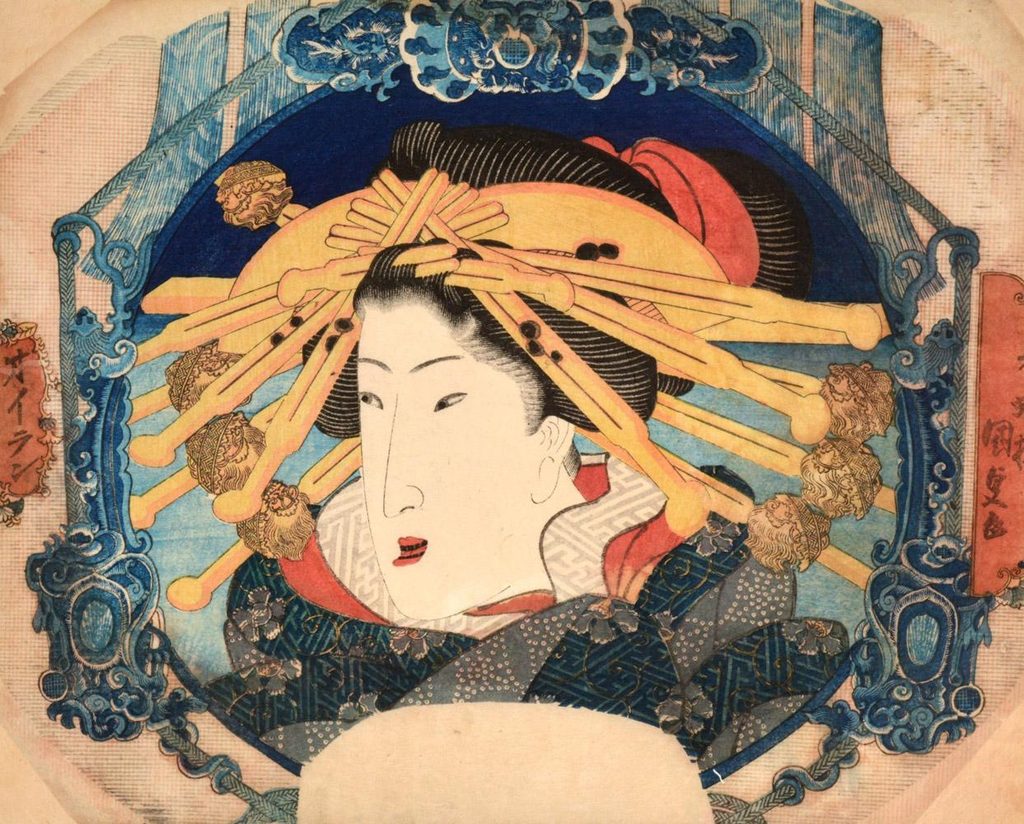
Geisha are professional entertainers whose primary cultural role centers on performing arts and hospitality. Courtesans, including historical oiran, belonged to a different social and professional system associated with licensed pleasure quarters.
Although these worlds sometimes overlapped geographically and socially during the Edo period, they were not identical professions.
Why does this distinction matter for tattoo design?
Modern tattoo imagery sometimes combines elements from Geisha, Maiko, Oiran and general Japanese female portraiture without distinguishing between them.
For example, an elaborate hairstyle with numerous large ornaments may be inspired by an Oiran rather than a mature Geiko. That doesn’t automatically make the design artistically invalid.
However, identifying the correct reference creates a more accurate story. If your tattoo is intended to honor Geisha culture, choose references that genuinely depict Geisha or Geiko rather than relying on a generic image of a Japanese woman in traditional clothing.
Where Should You Place a Geisha Tattoo?
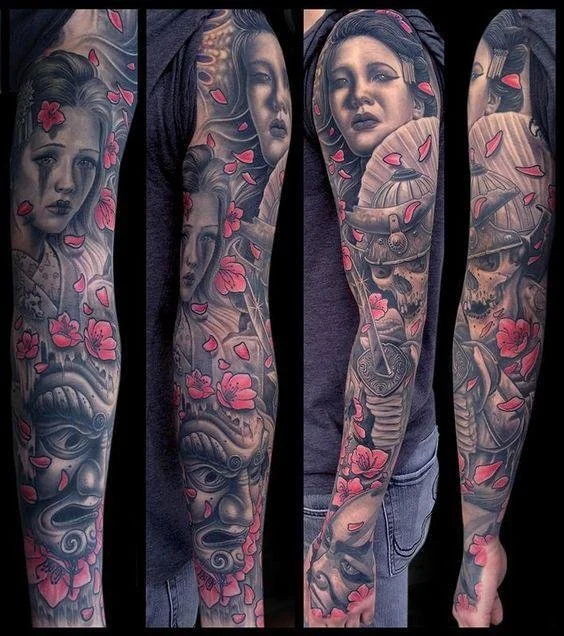
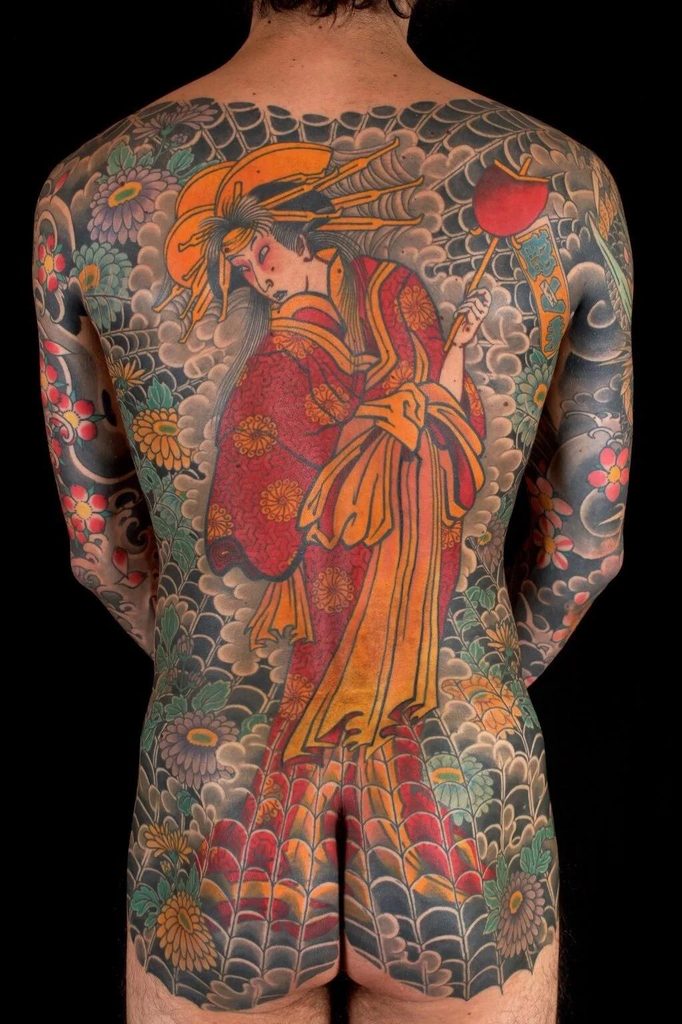
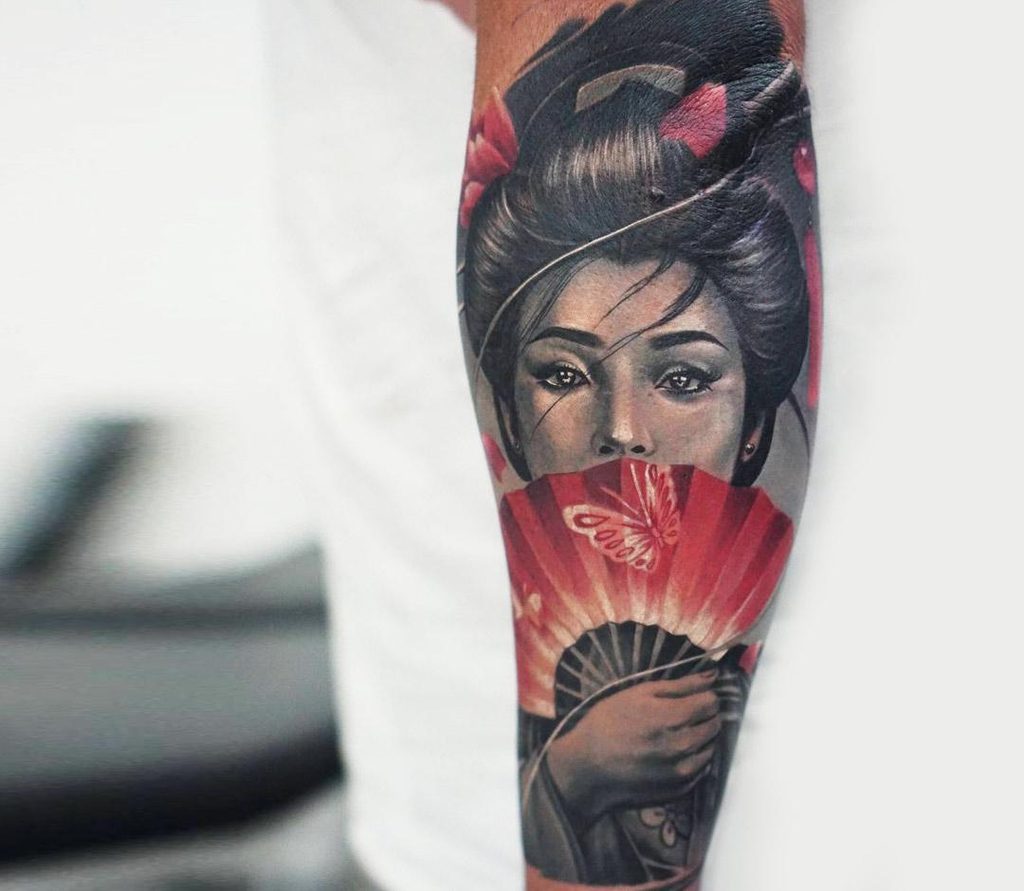
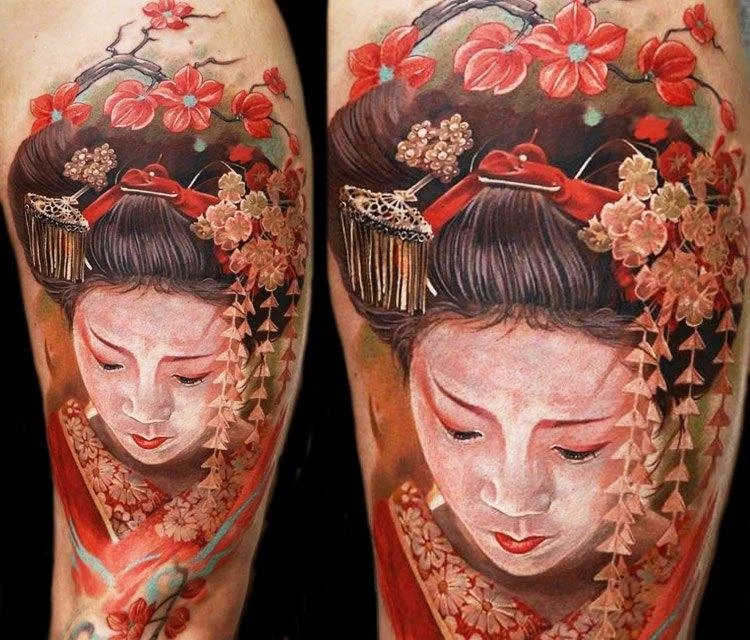
Geisha portraits often require sufficient space to preserve the face, hairstyle and clothing.
Geisha Tattoo Sleeve
Geisha Tattoo Backpiece
Geisha Tattoo Forearm
Geisha Tattoo Thigh
Is a Geisha Tattoo Considered Cultural Appropriation?
A Geisha tattoo is not automatically disrespectful simply because the wearer is not Japanese. However, the way the subject is represented matters.
A design based on thoughtful cultural research differs from one that relies on stereotypes or treats Geisha as exotic fantasy characters.
Some useful principles include:
• Understand that Geisha are performing artists, not a synonym for sex workers.
• Distinguish Geisha, Maiko and Oiran when selecting references.
• Avoid inventing supposedly ancient meanings for every design element.
• Research any Japanese characters, poetry or inscriptions before tattooing them.
• Treat living Japanese cultural traditions with the same respect given to historical art.
The goal is not to make every tattoo academically perfect. It is to avoid reducing a complex cultural figure to an inaccurate stereotype.
Frequently Asked Questions About Geisha Tattoo
1. What does a Geisha Tattoo mean?
A Geisha Tattoo commonly represents beauty, elegance, artistic mastery, dedication and Japanese cultural heritage. Its personal meaning depends on the subject, artistic style and accompanying symbols.
2. What is the meaning of a Japanese Geisha Tattoo?
A Japanese Geisha Tattoo can celebrate traditional performing arts, refined aesthetics and the discipline required to master a craft. Some modern wearers also interpret it as a symbol of resilience or personal expression.
3. Is a Geisha a Japanese princess?
No. Geisha are professional performing artists, not members of Japanese royalty. Their traditions involve music, dance and refined hospitality.
4. What is the difference between a Geisha and a Maiko?
A Maiko is an apprentice training in traditional performing arts, while a Geiko is a fully trained professional in Kyoto. Their clothing, hairstyles and presentation often reflect these different stages.
5. Are Geisha and Oiran the same?
No. Geisha are professional entertainers and performing artists. Oiran were high-ranking courtesans in Japan’s historical licensed pleasure quarters. Their professions and visual traditions should not be confused.
6. What is the best placement for a Geisha tattoo?
Sleeves, thighs, backs and forearms can all work well. The best placement depends on the amount of detail, portrait orientation and whether the design will become part of a larger composition.
Final Thoughts: What Does a Geisha Tattoo Represent?
A Geisha Tattoo is more than an image of a beautiful woman in traditional Japanese clothing. It can represent artistic dedication, elegance, discipline and the preservation of cultural traditions.
Its deeper meaning comes from understanding the Geisha as an artist rather than simply an aesthetic symbol. Beauty may capture our attention, but the artistry behind it gives the image its lasting meaning.
Đọc thêm: Hannya Tattoo: The Story Behind the Demon
Create Your Geisha Tattoo in Hanoi
Inspired by the beauty and artistic traditions of Japanese Geisha?
At 3 of Spades Hanoi Tattoo, our artists can help develop a custom Geisha tattoo around your preferred references, artistic style, placement and personal story.
Send us your reference images, approximate size, preferred placement and Hanoi travel dates before your visit.
Every tattoo has a story. Let’s create yours.