Watercolor Tattoo art brings the fluid beauty of watercolor painting into the world of permanent body art. With soft color transitions, expressive brushstrokes and splashes of pigment, watercolor-inspired tattoos challenge the idea that every tattoo must have a bold black outline.
But how did a painting technique traditionally associated with paper become an inspiration for artwork on skin?
The history of watercolor tattoos connects centuries of painting traditions with the creative experimentation of contemporary tattoo artists. Unlike tattoo styles rooted in a single cultural practice, watercolor tattooing developed as artists explored how modern tattoo techniques could imitate the transparency, movement and unpredictability of watercolor paint.
Today, watercolor tattoos can feature everything from delicate botanical illustrations to abstract compositions filled with vibrant color.
Understanding the history behind this style reveals how tattoo artists continue to blur the boundaries between fine art and body art.
What Is Watercolor Tattoo History?
Watercolor Tattoo History explores how the visual techniques of watercolor painting influenced the development of a contemporary tattoo style.
What defines a watercolor tattoo?
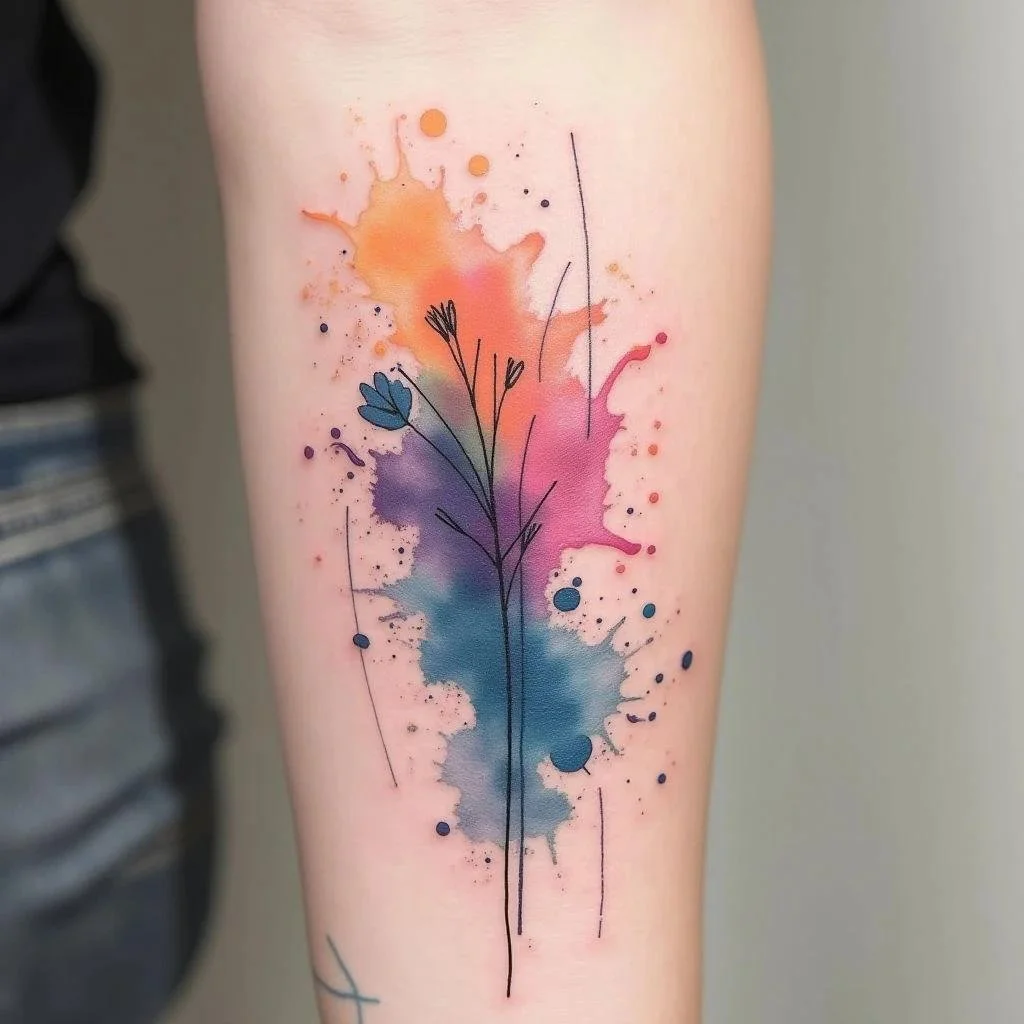
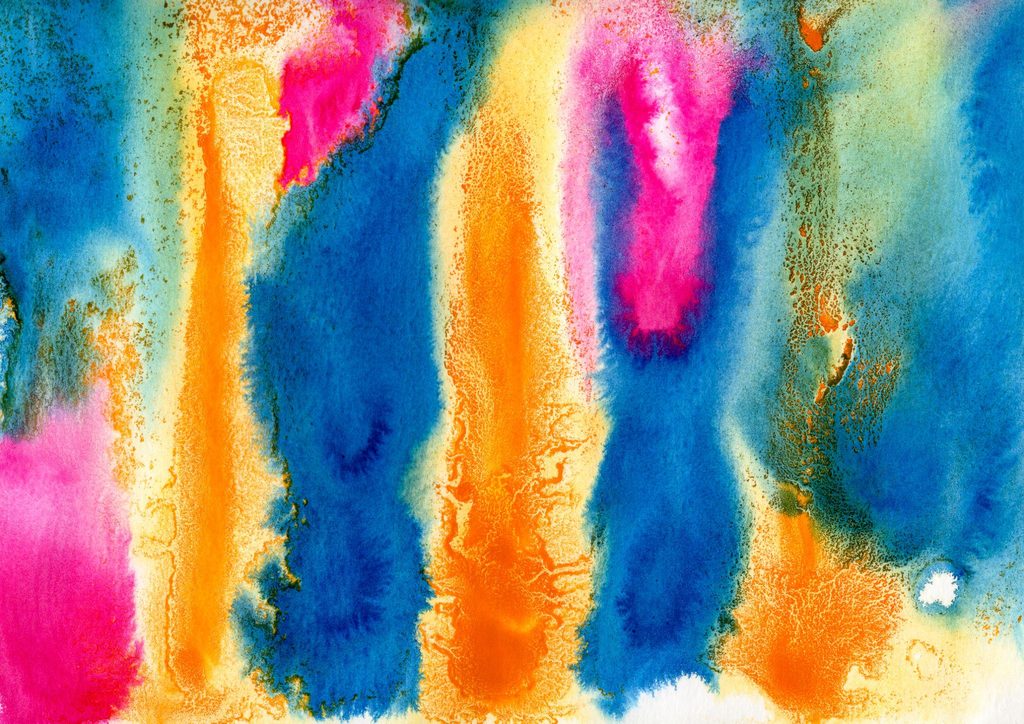
A watercolor tattoo is designed to resemble the appearance of watercolor paint on paper. Common visual characteristics include:
• Soft gradients and flowing color transitions
• Pigment splashes and irregular edges
• Brushstroke-inspired textures
• Transparent-looking layers of color
• Minimal or selectively used black outlines
• Abstract or illustrative compositions
Not every watercolor tattoo uses all these characteristics. Some combine traditional black outlines with colorful watercolor backgrounds, while others rely almost entirely on color and negative space.
Is watercolor tattooing a traditional tattoo style?
Watercolor tattooing is generally considered a contemporary artistic approach rather than a single historical tattoo tradition. Its defining aesthetic developed through modern experimentation with tattoo pigments, shading and composition.
However, the painting techniques that inspire it have much older histories.
This distinction is important: watercolor painting and watercolor tattooing are related through artistic influence, not through an uninterrupted shared technical tradition.
Where Did Watercolor Tattoo History Begin?
Watercolor Tattoo History does not have one universally documented inventor or exact starting date.
Instead, the style emerged as tattoo artists increasingly experimented with painterly effects and unconventional approaches to color.
Did watercolor tattoos exist in ancient tattoo cultures?
There is no clear evidence that ancient tattoo traditions practiced the contemporary watercolor style as it is understood today. Historical tattooing practices developed their own techniques, pigments, symbols and cultural meanings.
Although some historical tattoos used color, that does not make them watercolor tattoos. The modern watercolor aesthetic is more accurately understood as a reinterpretation of painting techniques through contemporary tattooing.
Who invented watercolor tattoos?
No single artist can be confidently credited with inventing the entire style.
Watercolor-inspired tattooing developed through the work of multiple contemporary artists experimenting with color, shading and painterly compositions.
Some individual artists helped popularize particular approaches, but the broader development of the style is not attributable to one universally recognized creator.
When Did Watercolor Tattoo History Become Part of Modern Tattooing?
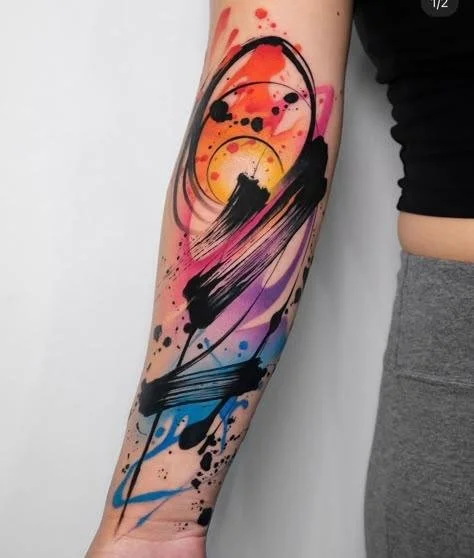
Watercolor Tattoo History became particularly visible in contemporary tattoo culture during the late 2000s and 2010s, as painterly tattoos gained attention through artist portfolios, tattoo publications and image-sharing platforms.
How did tattoo artists experiment with color?
Tattoo artists had been using color long before watercolor-inspired tattoos became recognizable as a style. Traditional American, Japanese and other tattoo approaches already demonstrated sophisticated uses of pigment, contrast and shading.
Watercolor-inspired artists explored a different aesthetic goal.
Rather than emphasizing clearly separated shapes and strong outlines, they experimented with compositions that appeared fluid, transparent or unfinished.
These techniques allowed tattoo designs to resemble painted artwork.
Which artists helped popularize watercolor tattoos?
Several contemporary tattoo artists became associated with painterly and watercolor-inspired approaches. Artists such as Amanda Wachob, Ondrash and Sasha Unisex have helped demonstrate different possibilities for color-driven, painterly or graphic tattoo compositions.
Their work is not identical, and they should not be treated as representatives of one standardized technique. Instead, their artistic approaches illustrate how contemporary tattooing expanded beyond established visual conventions.
How are watercolor effects created on skin?
Artists may combine several tattooing techniques to achieve painterly effects. These include:
• Color blending: Gradually transitioning between neighboring colors.
• Soft shading: Creating areas that appear lighter or more transparent.
• Layered composition: Using different color densities to suggest overlapping washes.
• Splash effects: Placing irregular dots and shapes around the main subject.
• Negative space: Leaving skin visible to create brightness and visual separation.
Unlike painting, tattooing does not involve freely spreading water-based pigment across a surface. Each effect must be created through controlled tattoo application.
Do watercolor tattoos need black outlines?
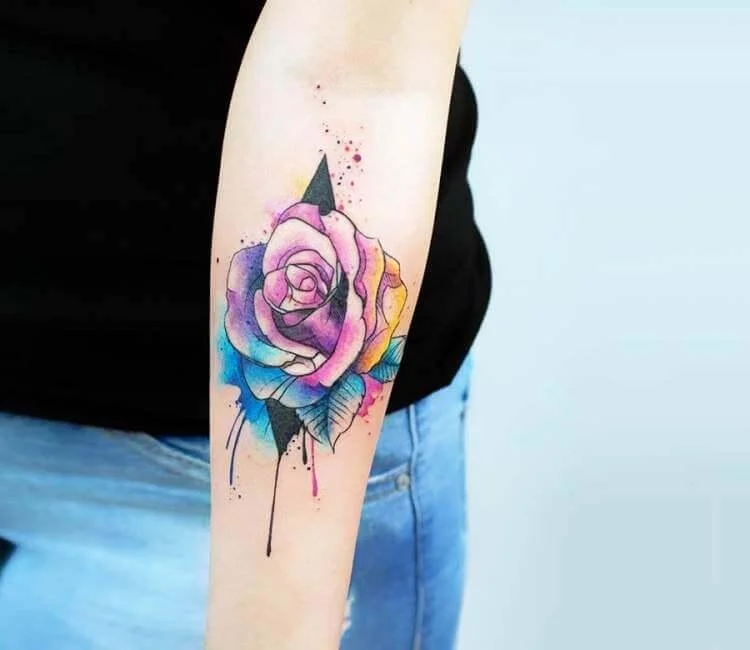
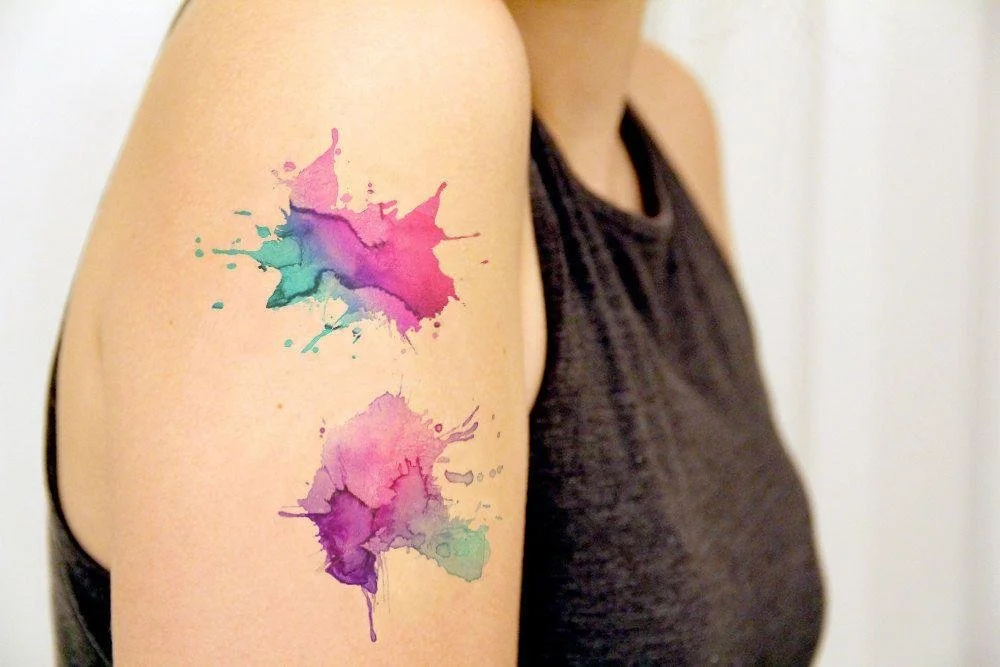
Not necessarily. Some watercolor tattoos use black outlines to preserve the definition of recognizable subjects, such as flowers or animals. Others rely on color alone.
Outline-free designs can create a softer appearance, but they require careful planning because subtle boundaries may become less distinct over time.
Black outlines can help maintain visual separation, although they do not guarantee that a tattoo will never fade or blur.
What Artistic Movements Influenced Watercolor Tattoo Designs?
Watercolor Tattoo History reflects influences from multiple artistic traditions rather than one specific painting movement.
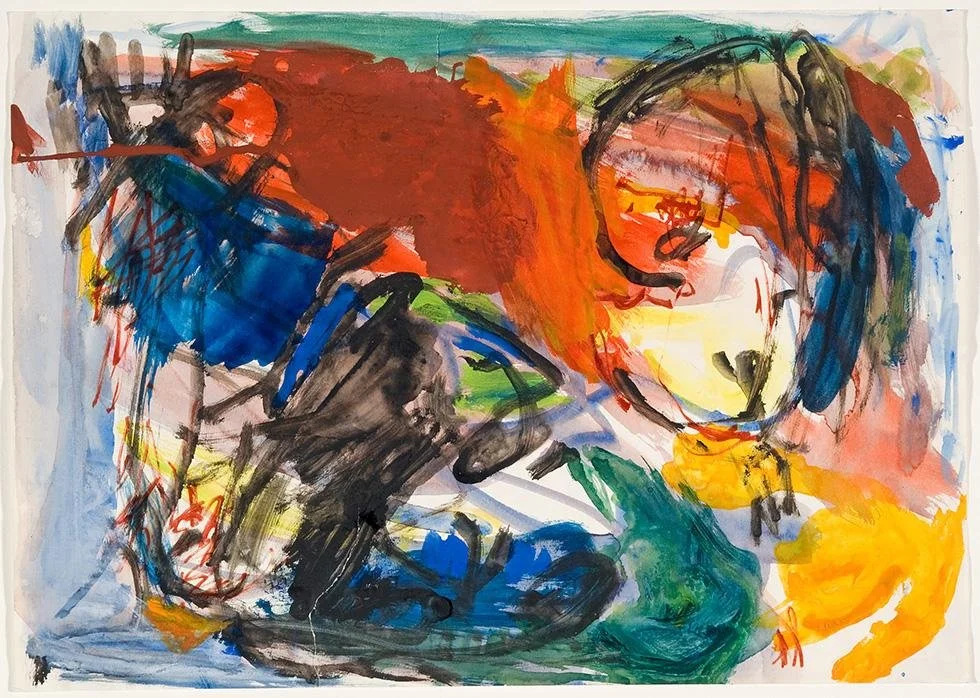
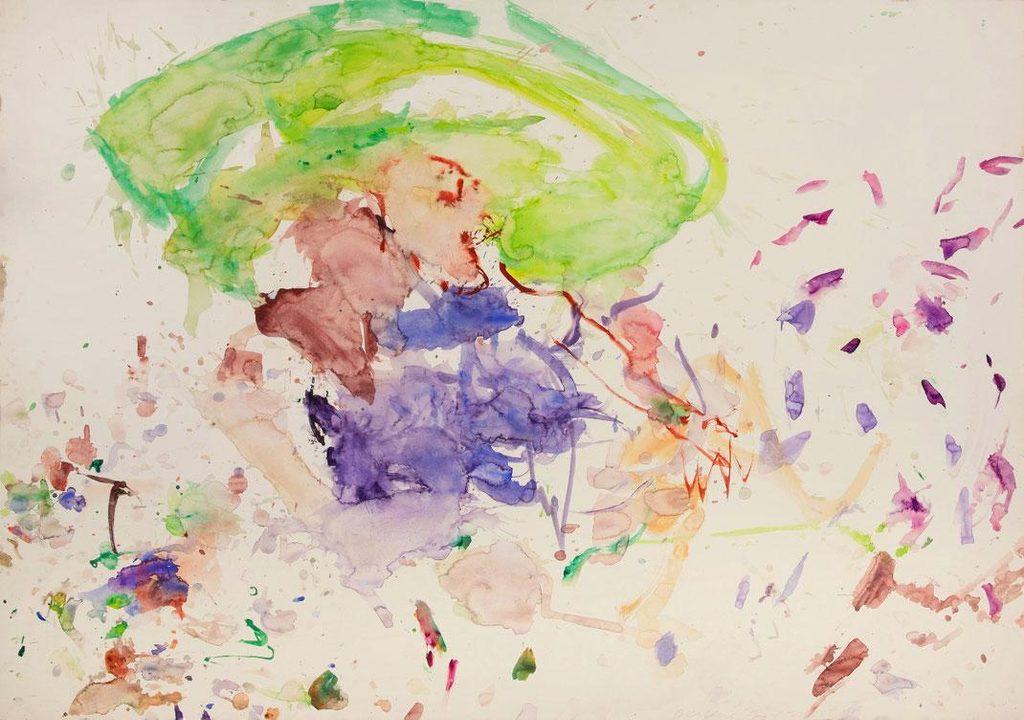
Impressionism and expressive color
Impressionist painters explored how color, light and visual perception could communicate atmosphere.
Although watercolor tattooing is not a direct continuation of Impressionism, both can prioritize the impression of a subject over sharply defined details.
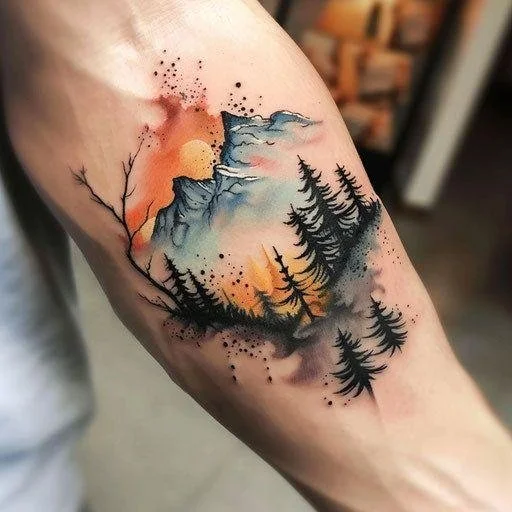
A watercolor landscape tattoo, for example, may suggest mountains and sunlight through flowing colors rather than precise outlines.
Abstract expression and spontaneous movement
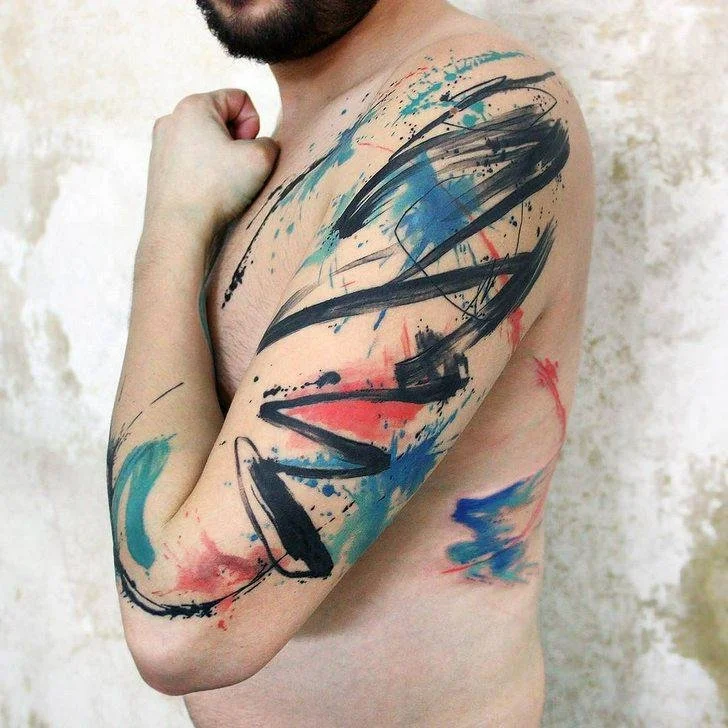
Abstract art encourages artists to communicate through shape, gesture and color. This influence is especially visible in tattoos featuring energetic splashes, irregular brushstrokes and nonrepresentational compositions.
A design might communicate a sense of freedom or movement without depicting a recognizable object.
Botanical illustration
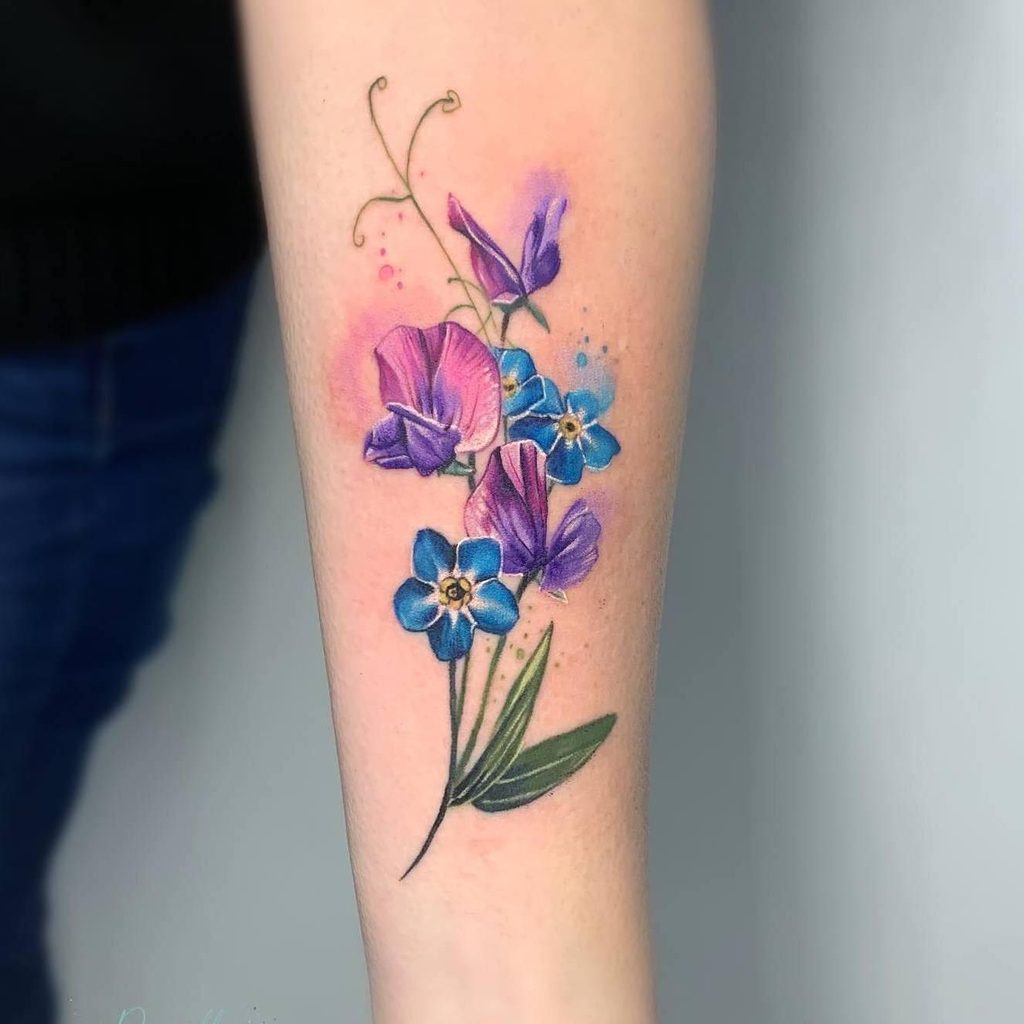
Botanical illustration has a long relationship with watercolor painting. The medium allows artists to represent subtle color transitions in petals, leaves and stems.
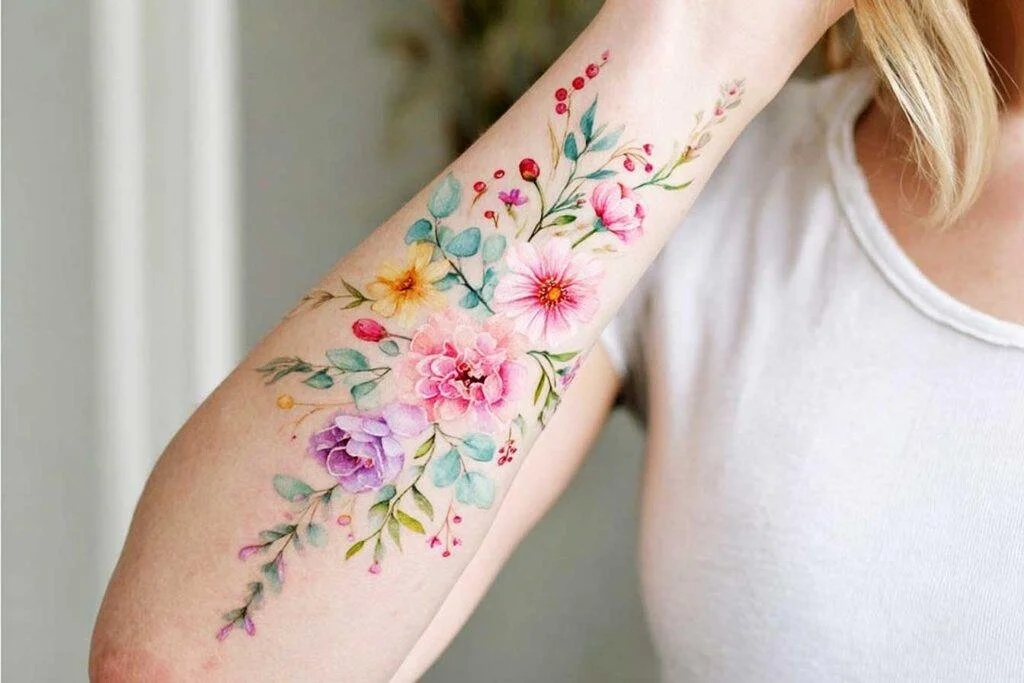
Contemporary watercolor tattoos often reinterpret these qualities through floral subjects such as roses, lilies, lotus flowers and wildflowers.
Contemporary illustration and graphic design
Modern illustration also influences watercolor tattoo compositions. Artists may combine painterly textures with geometric shapes, fine linework, typography or minimalist subjects.
This blending of visual approaches allows watercolor effects to become one element within a broader custom design.
How Does Watercolor Tattoo History Compare With Traditional Tattooing?
Watercolor Tattoo History becomes clearer when compared with the visual principles of traditional tattoo styles.
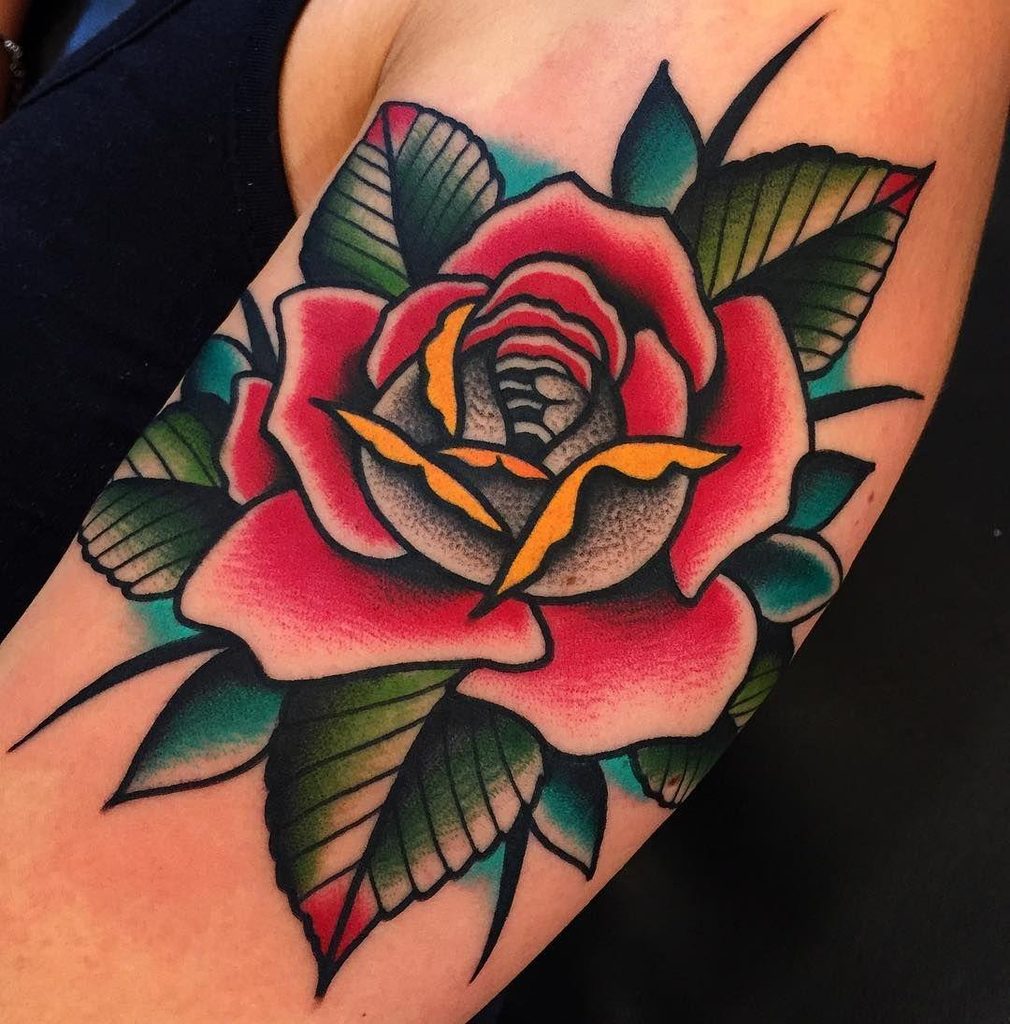
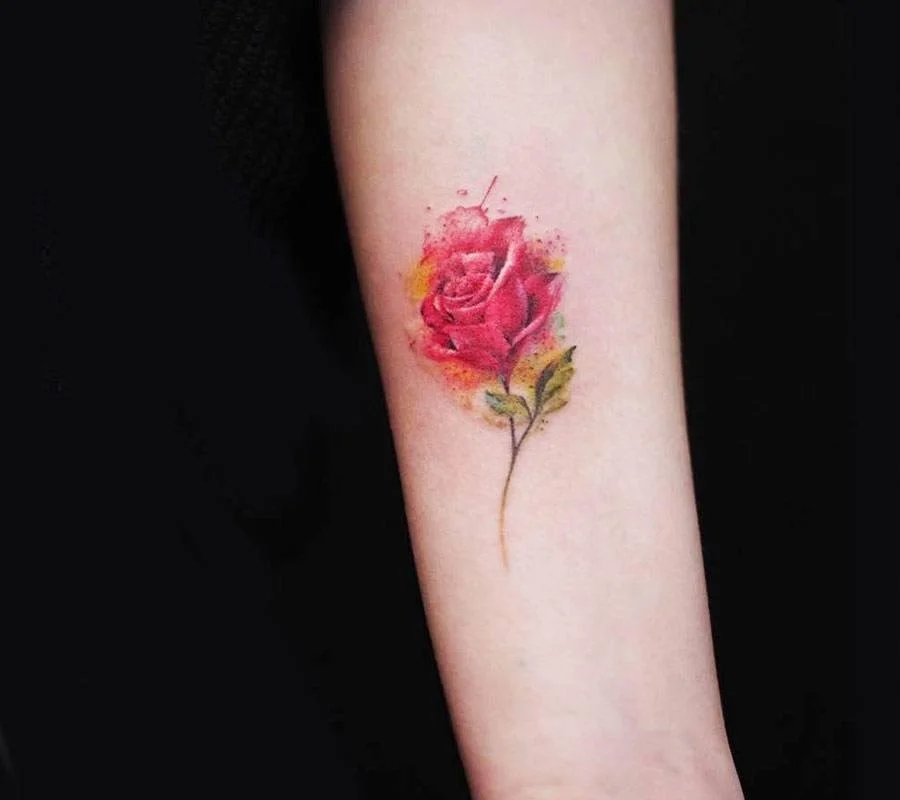
| Feature | Watercolor Tattoo | American Traditional Tattoo |
|---|---|---|
| Visual style | Painterly, fluid, expressive | Bold, graphic, clearly defined |
| Outlines | Optional or selective | Typically strong black outlines |
| Màu sắc | Blended washes and gradients | Usually solid, separated color areas |
| Edges | Can appear soft or irregular | Generally distinct and controlled |
| Common subjects | Flowers, animals, abstract art, landscapes | Roses, anchors, swallows, eagles, daggers |
| Main aesthetic | Resemblance to painting | Recognizable traditional tattoo imagery |
Is watercolor tattooing less durable than traditional tattooing?
Not automatically. Traditional designs often use bold outlines and generous spacing, which can help preserve their recognizable structure.
Some watercolor tattoos use delicate colors and soft boundaries that may become less distinct as the skin ages. However, longevity depends on multiple factors, including pigment contrast, technique, size, placement, skin characteristics and sun exposure.
A well-designed watercolor tattoo with sufficient contrast may remain attractive for years, while a poorly executed traditional tattoo can also lose definition.
Can watercolor and traditional styles be combined?
Yes. Some artists use traditional linework to define the main subject and watercolor effects to introduce movement and atmosphere.
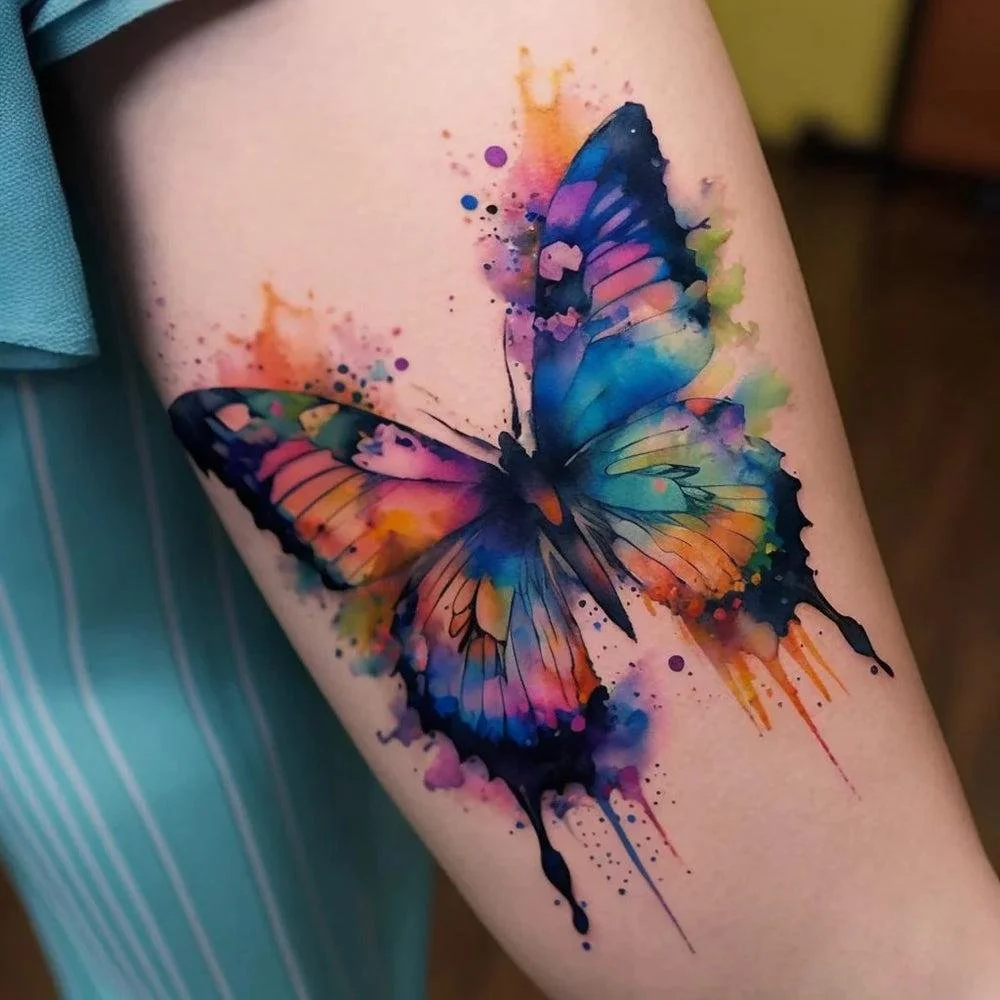
For example, a black-outlined butterfly might be surrounded by blue, pink and purple splashes. This combination allows the design to maintain a clear central subject while incorporating the expressive qualities of watercolor painting.
Why Is Watercolor Tattoo Art Popular Today?
Watercolor Tattoo History helps explain why the style appeals to people who want tattoos that resemble personal artwork rather than conventional tattoo imagery.
Its flexibility allows artists to create designs that feel delicate, energetic, romantic or abstract.
Watercolor butterfly tattoos
Watercolor flower tattoos
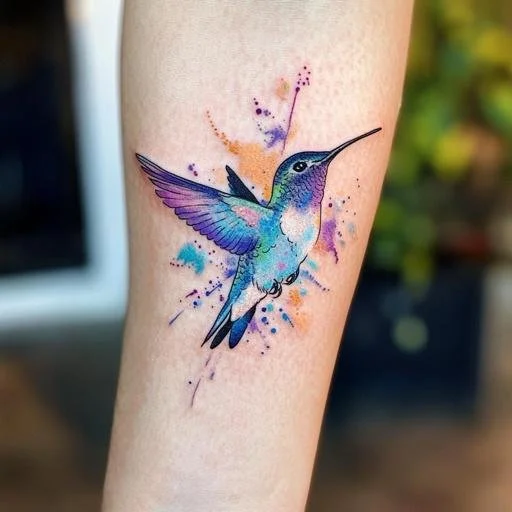
Watercolor animal tattoos
Abstract watercolor tattoos
Watercolor landscape tattoos
Frequently Asked Questions About Watercolor Tattoo History
1. What is a watercolor tattoo?
A watercolor tattoo is a tattoo designed to imitate watercolor painting through soft gradients, flowing colors, irregular edges and brushstroke-inspired effects. It may use black outlines, but they are not always prominent.
2. Where did watercolor tattoos originate?
Contemporary watercolor tattooing developed through artistic experimentation with color and shading. It draws inspiration from historical watercolor painting, but no single origin date or inventor is universally established.
3. Who invented watercolor tattoos?
No single artist is definitively recognized as the inventor. Multiple contemporary tattoo artists helped develop and popularize painterly techniques, including artists known for abstract and color-driven tattoo compositions.
4. When did watercolor tattoos become popular?
Watercolor-inspired tattoos gained wider visibility during the late 2000s and 2010s, particularly through online tattoo portfolios and image-sharing platforms.
5. Are watercolor tattoos made with actual watercolor paint?
No. Professional watercolor tattoos use tattoo pigments intended for application to the skin. Artists use tattooing techniques to imitate the visual appearance of watercolor painting.
6. Do watercolor tattoos need black outlines?
No. Some watercolor tattoos use black outlines to define their subjects, while others rely on color and contrast. The choice depends on the design, placement and long-term readability.
7. Do watercolor tattoos fade faster than traditional tattoos?
Not necessarily. Some pale colors and low-contrast details may become less visible over time, but fading depends on the pigment, technique, skin characteristics, sun exposure and overall design.
8. Are watercolor tattoos suitable for darker skin tones?
Watercolor tattoos can be designed for a range of skin tones, but color visibility and contrast vary. An experienced artist should evaluate the palette and composition for the individual rather than assume the same colors will appear identical on every skin tone.
9. Can watercolor tattoos be combined with other styles?
Yes. Watercolor effects can complement fine-line tattoos, illustrative designs, traditional linework, realism and abstract compositions.
10. Where can I get a watercolor tattoo in Hanoi?
You can contact 3 of Spades Hanoi Tattoo in Hanoi’s Old Quarter to discuss a watercolor-inspired design. Share your reference images, preferred colors, size and placement so the team can assess the concept and suitable artist availability.
Final Thoughts: How Did Watercolor Painting Become Tattoo Art?
Watercolor Tattoo history is the story of how artists translated the visual qualities of painting into permanent body art.
The style did not emerge from one ancient tattoo tradition or a single inventor. Instead, it developed through contemporary experimentation inspired by watercolor painting’s transparency, fluidity, expressive brushstrokes and layered colors.
Today, watercolor tattoos offer an alternative to conventional tattoo aesthetics, allowing artists to explore movement, emotion and color in new ways.
Whether the design features a delicate flower, a colorful butterfly or an abstract composition, its success depends on thoughtful artistry and technical execution.
Ultimately, watercolor tattooing shows that the boundaries between painting and tattoo art are continually being reimagined.
Bring Your Watercolor Tattoo Idea to Life in Hanoi
At 3 of Spades Hanoi Tattoo, we believe every tattoo should begin with an idea that feels personal.
Whether you love soft botanical colors, expressive abstract artwork or a colorful design inspired by your travels, our team can help you explore a custom tattoo concept.
Located in Hanoi’s Old Quarter, we welcome international visitors looking for a friendly, comfortable Hanoi Tattoo experience with clear English communication.
To discuss your tattoo, send us:
• Your reference images or painting inspiration
• Your preferred colors
• Your tattoo size in centimeters
• Your desired body placement
• Your travel dates in Hanoi
We’ll review your idea, discuss artistic feasibility and help you understand the estimated session time and pricing.
From your inspiration to your skin — let’s create something meaningful.