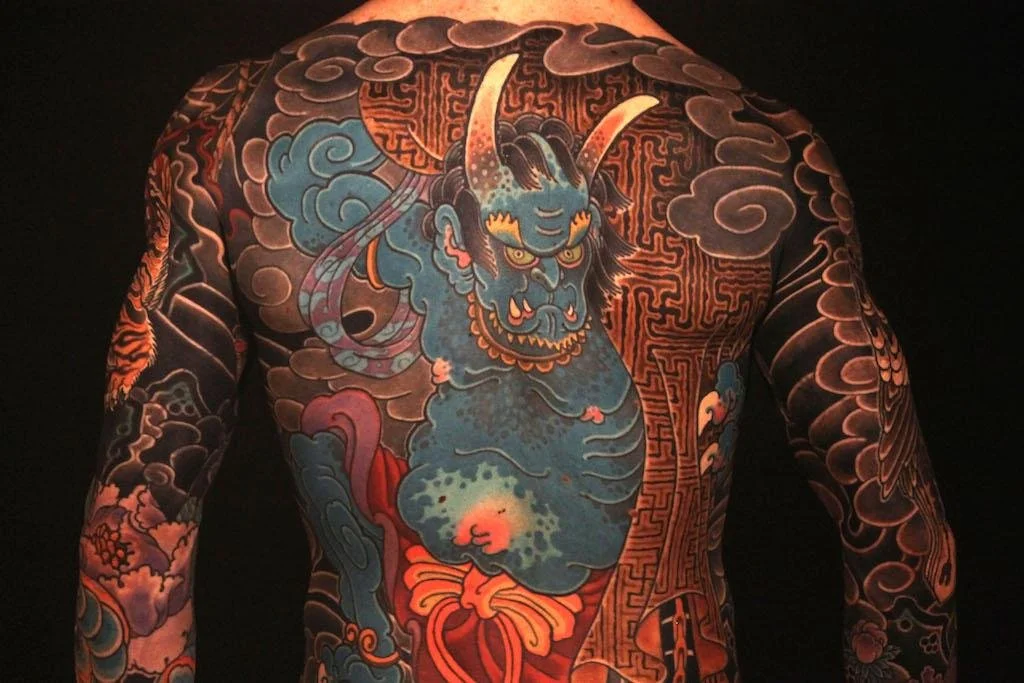
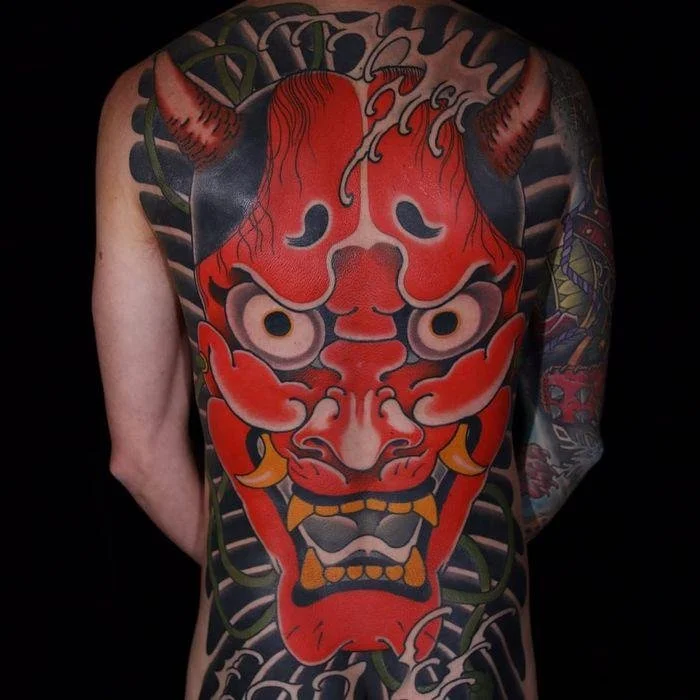
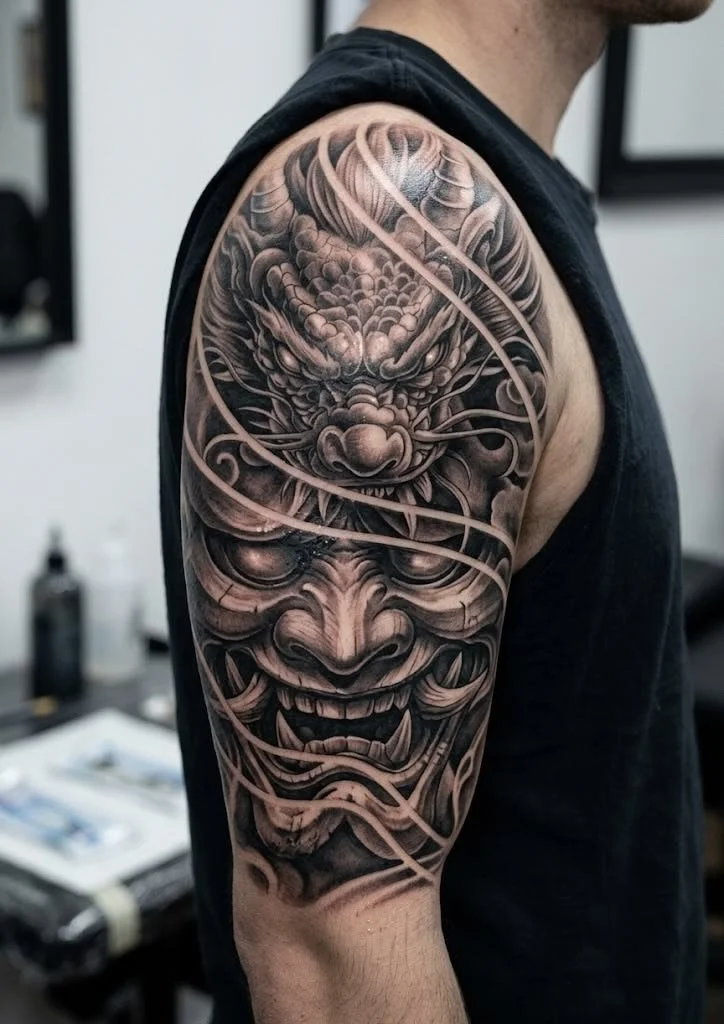
Two horns rise from its forehead. Its eyes glare with fury, sharp fangs emerge from its mouth, and a heavy iron club rests across its shoulder. At first glance, the Japanese Oni Tattoo looks like a straightforward symbol of evil.
But Japanese folklore tells a more complicated story.
An Oni (鬼) is a supernatural being commonly portrayed as a fearsome ogre or demon. Oni appear in folktales, Buddhist imagery, festivals, theatrical traditions and centuries of Japanese visual art.
They punish the wicked, threaten heroes, torment the living and sometimes even become protectors. That contradiction is what makes Oni such fascinating tattoo subjects.
How can the same creature represent both danger and protection?
To understand the meaning of a Japanese Oni Tattoo, we need to explore the demons of Japanese folklore—and why their frightening faces have endured for centuries.
What Does a Japanese Oni Tattoo Mean?
A Japanese Oni Tattoo can carry several different meanings depending on the character, story and design.
Các cách hiểu phổ biến bao gồm:
• Power: The Oni’s extraordinary physical strength and intimidating presence.
• Danger: A reminder of destructive forces, violence or uncontrolled anger.
• Protection: A frightening guardian figure intended to confront or repel evil.
• Punishment: The Oni’s connection with Buddhist depictions of hell and the consequences of wrongdoing.
• Inner conflict: A personal interpretation of the struggle between destructive impulses and self-control.
• Transformation: The possibility that even a frightening being can change.
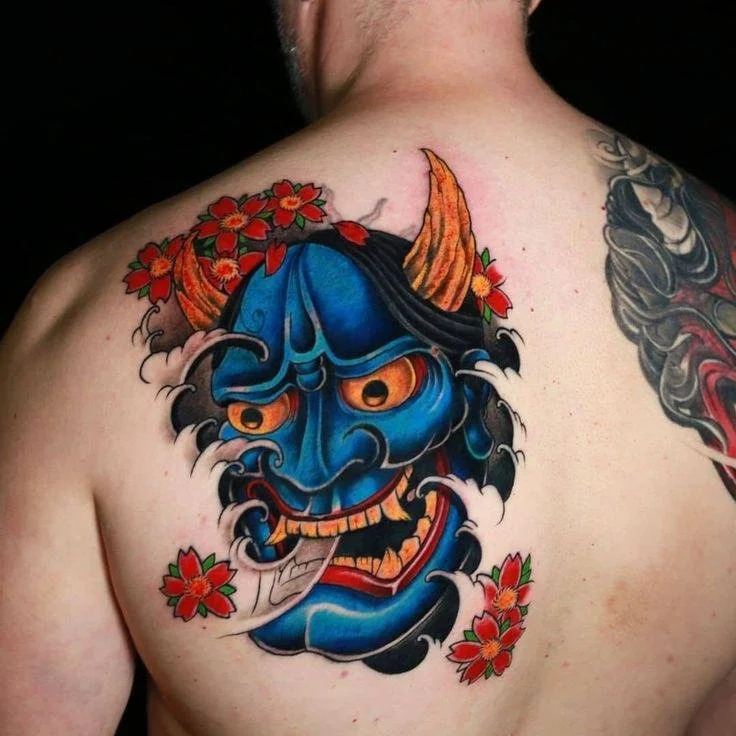
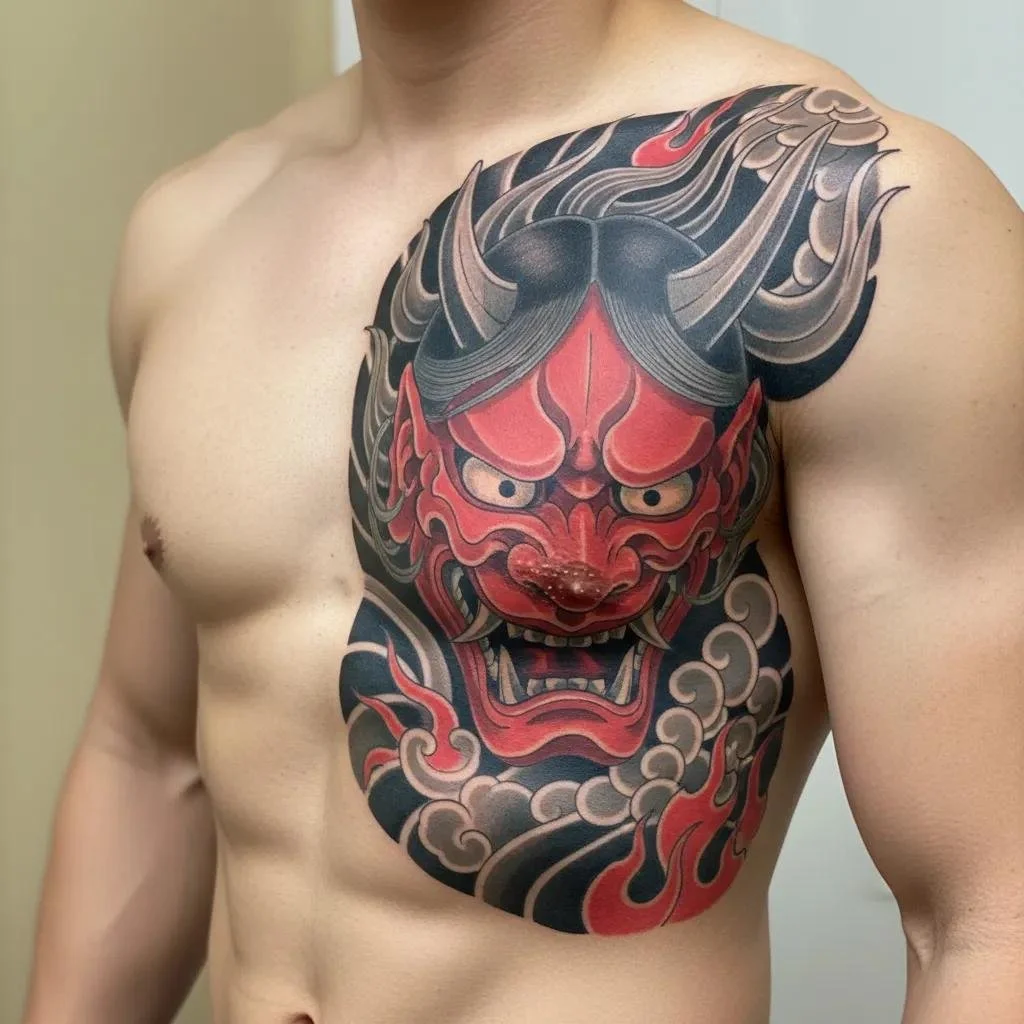
However, these meanings should not be treated as a universal ancient tattoo code.
In historical Japanese stories, Oni play different roles. Some are villains, some are punishers, and others are protective figures. The strongest tattoo meaning comes from understanding which version of the Oni the design represents.
What Is an Oni in Japanese Folklore?
An Oni is a supernatural being found throughout Japanese religious traditions, folktales and popular culture.
Although Oni are often translated into English as demons, the word doesn’t perfectly capture their variety. Oni can resemble ogres, monstrous spirits or terrifying supernatural beings.
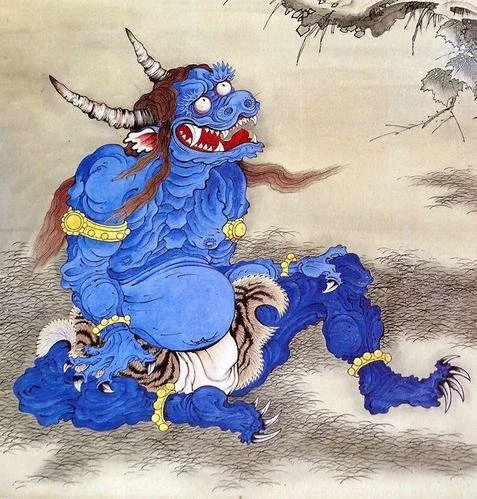
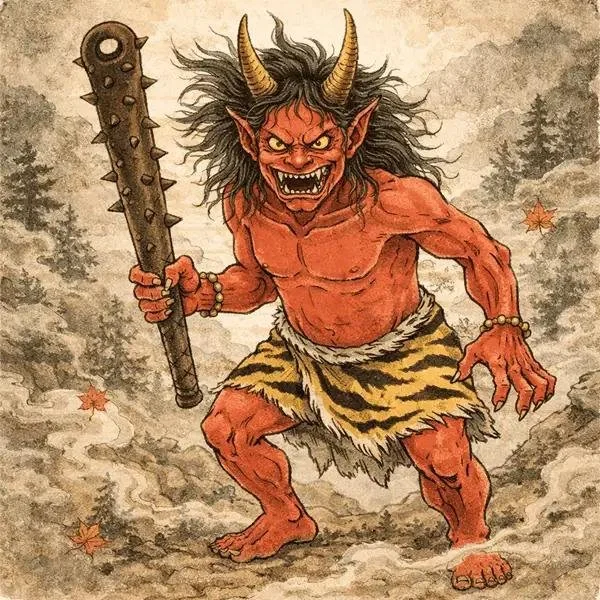
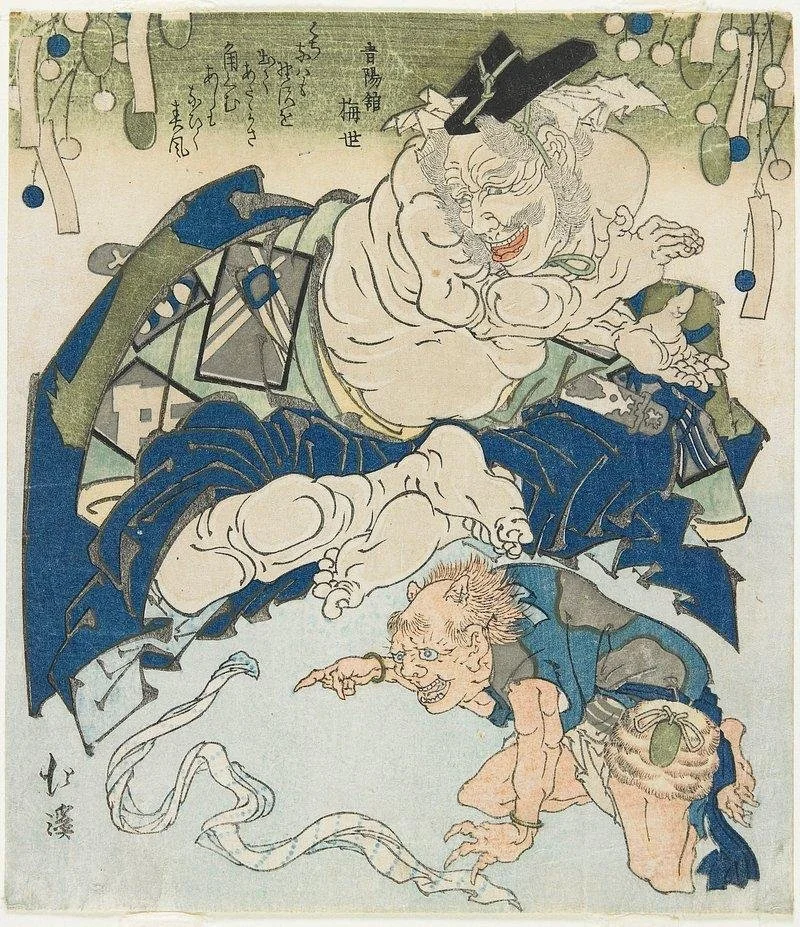
Their most recognizable features include:
• Horns on the head
• Large, muscular bodies
• Sharp fangs and claws
• Red, blue or other brightly colored skin
• Wild hair
• Tiger-skin loincloths
• An iron club known as a kanabō
Not every historical Oni has all these features. Their appearance evolved across different artistic and religious traditions.
Why do Oni have horns and tiger-skin clothing?
One traditional explanation connects the Oni’s appearance to the northeastern direction, known as the kimon, or demon gate.
In the traditional East Asian zodiac system, the northeast lies between the directions associated with the ox and tiger. This helped inspire the familiar image of an Oni with ox-like horns and tiger-skin clothing.
The explanation is part of Japanese traditional symbolism rather than a biological or universal rule governing every Oni depiction.
Where Did Japanese Oni Tattoo Symbolism Originate?
Oni imagery developed through a combination of indigenous Japanese beliefs and religious and cultural influences from the Asian mainland.
Early Japanese concepts of dangerous spirits and supernatural beings gradually interacted with Buddhist cosmology, Chinese traditions and local folklore.
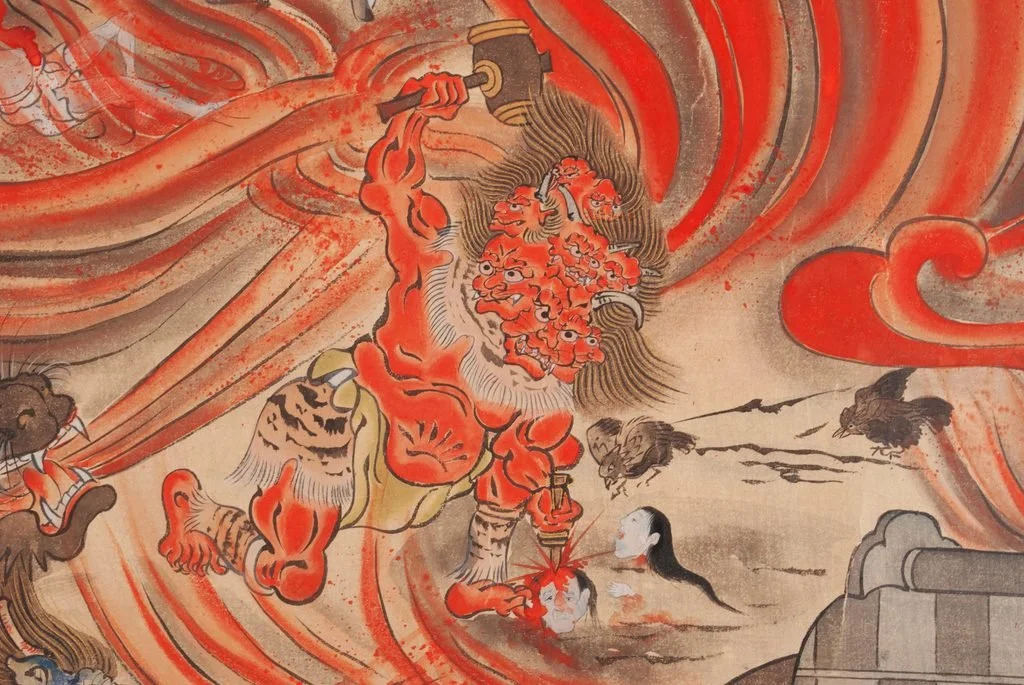
Over centuries, Oni became especially prominent in stories involving:
• The Buddhist afterlife
• Punishment and moral consequences
• Dangerous mountains and remote places
• Human greed and wrongdoing
• Supernatural encounters
• Heroes confronting monsters
The modern tattoo image of a horned, muscular Oni is therefore only one part of a much longer visual history.
Why Are Oni Associated With Buddhist Hell?
One of the most frightening roles of Oni appears in Japanese Buddhist imagery. In depictions of Jigoku, or hell, terrifying beings punish those who have accumulated harmful karma.
Oni may appear as tormentors carrying weapons, guarding dangerous realms or enforcing punishments.
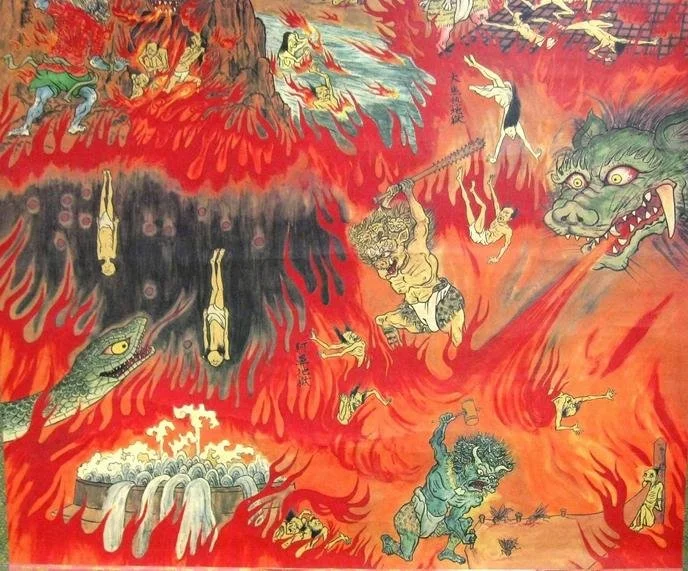
Are Oni servants of Enma?
In popular Japanese Buddhist depictions, Oni can serve under Enma, the judge of the dead. Enma is associated with judging the actions of the deceased and determining their fate. Oni may appear as frightening attendants or punishers within this system.
This relationship helps explain why Oni imagery can represent consequences and judgment, rather than simply random violence.
A tattoo inspired by this tradition might be interpreted as a reminder that actions have consequences. But that is a contemporary personal interpretation, not an established rule that every Oni tattoo must carry.
Why Do Oni Represent Fear and Destructive Power?
Oni frequently appear in stories as threats that humans must confront.
They can embody terrifying physical force, uncontrolled appetites, violence or other dangers.
One of the most famous examples is Shuten-dōji, a legendary Oni leader associated with Mount Ōe.
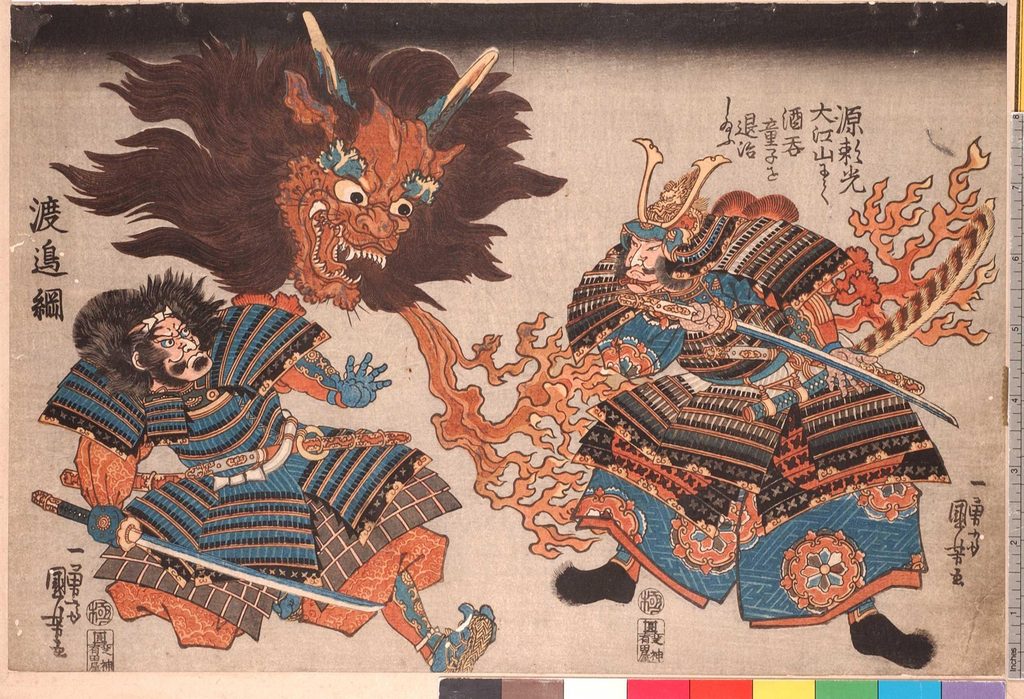
Who is Shuten-dōji?
In famous versions of the legend, Shuten-dōji is a powerful Oni who terrorizes people and is eventually defeated by the warrior Minamoto no Yorimitsu, also known as Raikō, and his companions.
The story became an important subject in Japanese painting, illustrated scrolls and woodblock prints.
A tattoo based on Shuten-dōji may therefore reference a specific mythological character rather than a generic demon. This distinction matters. An Oni tattoo becomes more meaningful when the design is connected to a recognizable story.
Can a Japanese Oni Tattoo Symbolize Protection?
Yes, but the historical context matters.
Although Oni are often frightening antagonists, demonic or fierce supernatural imagery can also serve protective purposes in Japanese traditions.
One particularly relevant example is Onigawara, decorative roof tiles featuring fierce faces, sometimes resembling Oni.
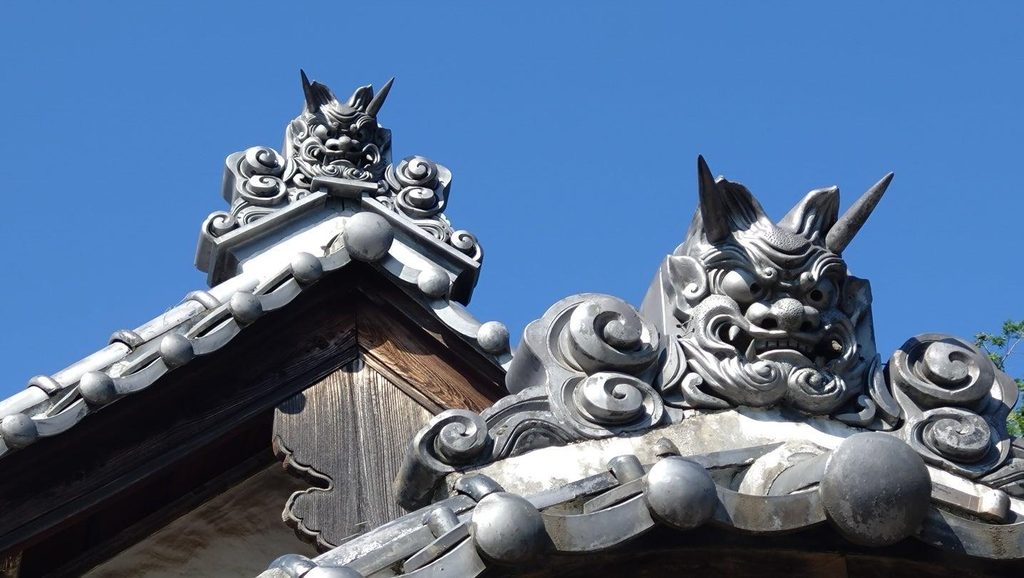
These intimidating ornaments have traditionally been associated with protecting buildings from misfortune or harmful influences. This reflects a broader artistic idea: Something frightening can be used to frighten away danger.
What does a protective Oni tattoo mean?
A modern wearer may interpret an Oni tattoo as representing:
• Defending loved ones
• Confronting fear
• Personal boundaries
• Protection against negative influences
• Strength in difficult situations
However, not every Oni in folklore is a guardian.
The protective meaning should be understood through the specific imagery and context, rather than assuming that all Oni are benevolent.
What Does a Red Japanese Oni Tattoo Mean?
Red is one of the most recognizable colors associated with Oni Tattoo.
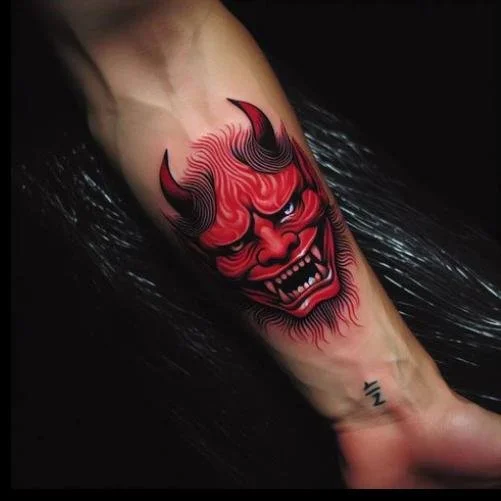
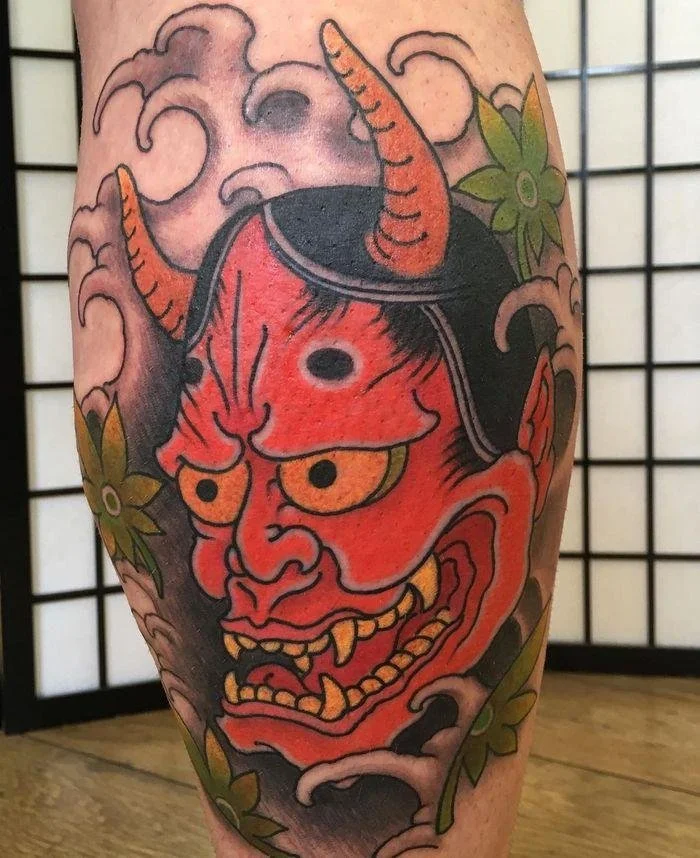
In contemporary tattoo interpretation, a red Oni can suggest:
• Rage
• Physical power
• Passion
• Intensity
• Danger
• Aggression
However, red does not have one fixed meaning across all Japanese Oni traditions. A red Oni may be a villain in one story and a sympathetic character in another.
For example, the children’s tale Naita Aka Oni (The Red Oni Who Cried) uses red and blue Oni characters to explore friendship, sacrifice and the desire for acceptance.
That story shows why Oni color symbolism cannot be reduced to a simple chart.
What Is the Difference Between a Japanese Oni Tattoo and a Hannya Tattoo?
Oni and Hannya are often confused because both can have horns, sharp teeth and terrifying expressions. But they are not the same thing.
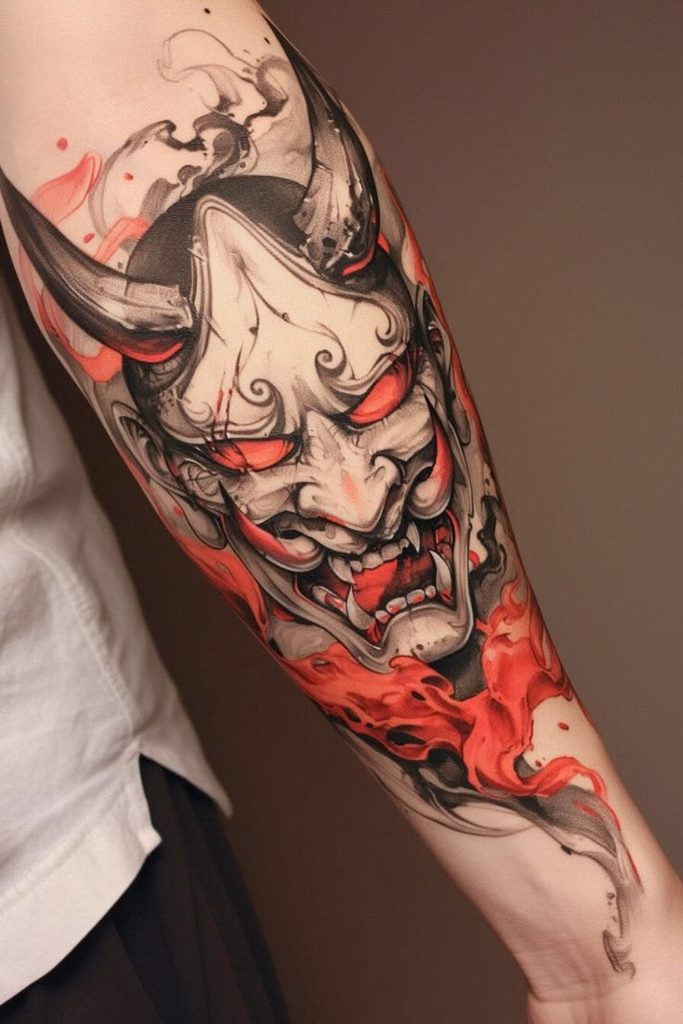
A broad category of supernatural beings in Japanese folklore and religious imagery.
A specific Noh theatre mask representing a woman transformed into a demon through intense emotion.
| Feature | Oni | Hannya |
| Origin | Folklore and religious traditions | Noh theatre |
| Identity | Many different supernatural beings | A transformed female character |
| Typical symbolism | Danger, punishment, power, sometimes protection | Jealousy, resentment, suffering, transformation |
| Appearance | Highly varied | Distinctive theatrical mask |
| Tattoo interpretation | Depends on the particular Oni | Often focuses on emotional complexity |
The distinction is particularly important when choosing tattoo references. A horned face is not automatically a Hannya mask.
Đọc thêm: Hannya Tattoo: The Story Behind the Demon
What Does an Oni Mask Tattoo Mean?
An Oni mask tattoo focuses on the demon’s face rather than its entire body. The mask’s horns, fangs and exaggerated expression make it recognizable even without a full-body figure.
Modern tattoo wearers may choose an Oni mask to represent:
• Confronting personal fears
• Acknowledging darker emotions
• Strength and intimidation
• Symbolic protection
• Appreciation of Japanese folklore
But Oni masks are not all identical.
Some designs draw from Setsubun festival masks. Others are influenced by theatrical imagery, historical paintings or contemporary Japanese tattoo illustration.
Identifying the reference helps an artist create a design with a clearer cultural foundation.
Frequently Asked Questions About Japanese Oni Tattoo
1. What does a Japanese Oni Tattoo mean?
A Japanese Oni Tattoo can represent power, danger, punishment, inner conflict or protection. The meaning depends on the particular Oni, its cultural context and the wearer’s interpretation.
2. Are Oni evil in Japanese mythology?
Not always. Oni frequently appear as dangerous supernatural beings, but some traditions give fierce demon imagery protective roles. Their meaning varies between stories and religious contexts.
3. Does an Oni tattoo symbolize protection?
It can. Fearsome demon faces appear in protective Japanese architectural traditions, including onigawara roof tiles. However, not every Oni is a guardian.[4]
4. What does a red Oni tattoo mean?
Red Oni are often associated with rage, intensity and physical power in modern tattoo interpretations. However, Japanese folklore does not assign every red Oni one fixed meaning.
5. What is the difference between an Oni and a Hannya tattoo?
Oni are a broad category of supernatural beings. Hannya is a specific Noh theatre mask representing a female character transformed by overwhelming jealousy and suffering.
Final Thoughts: What Does a Japanese Oni Tattoo Represent?
A Japanese Oni Tattoo is more than the face of a frightening demon. Across Japanese folklore, Oni embody danger, supernatural power, punishment and, in some contexts, protection.
Their meaning is not always comfortable or straightforward. That complexity makes them compelling tattoo subjects.
Sometimes the most powerful symbol is not the creature that defeats the darkness, but the creature that reminds us the darkness exists.
Create Your Japanese Oni Tattoo in Hanoi
Inspired by the demons and supernatural stories of Japanese folklore?
At 3 of Spades Hanoi Tattoo, our artists can help develop a custom Oni design around your preferred symbolism, reference imagery, placement and body composition.
Send us your reference images, approximate size, preferred placement and Hanoi travel dates before your visit.
Every tattoo has a story. Let’s create yours.