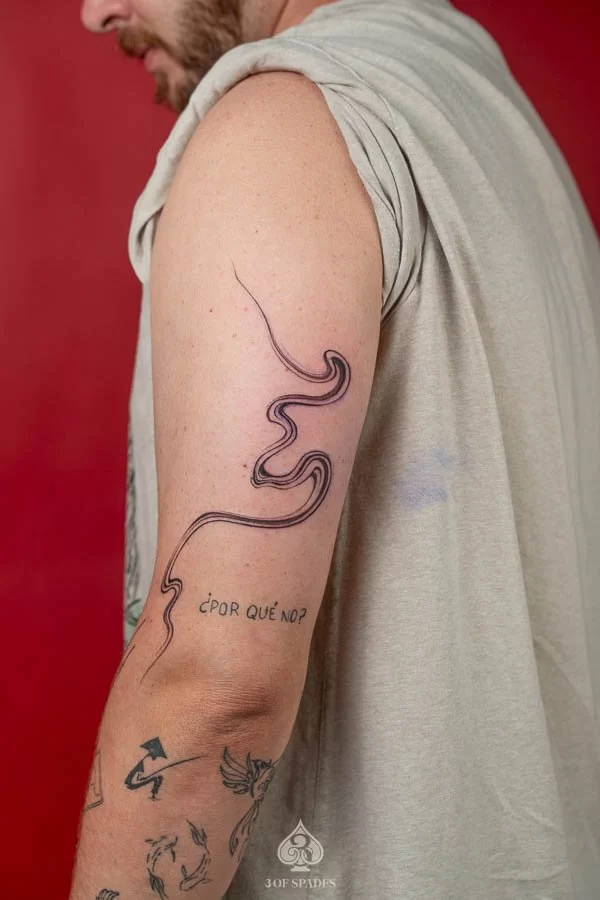

Swimming After Tattoo is something you should avoid until your new ink has fully healed, which often takes around 2–4 weeks for initial skin healing, although some tattoos take longer. Whether you’re planning a beach holiday, heading to a swimming pool, or simply missing your daily swim, giving your tattoo enough recovery time is essential for protecting your skin and artwork.
A fresh tattoo isn’t just a design on your skin. It’s a healing wound that requires proper aftercare. Swimming too soon can expose the area to bacteria, irritate sensitive skin, and potentially interfere with the healing process.
So, how long should you really wait before jumping back into the water?
In this 2026 guide, 3 of Spades Hanoi Tattoo explains when swimming becomes safe, the risks of different swimming environments, and how to recognize when your tattoo is ready for water activities.
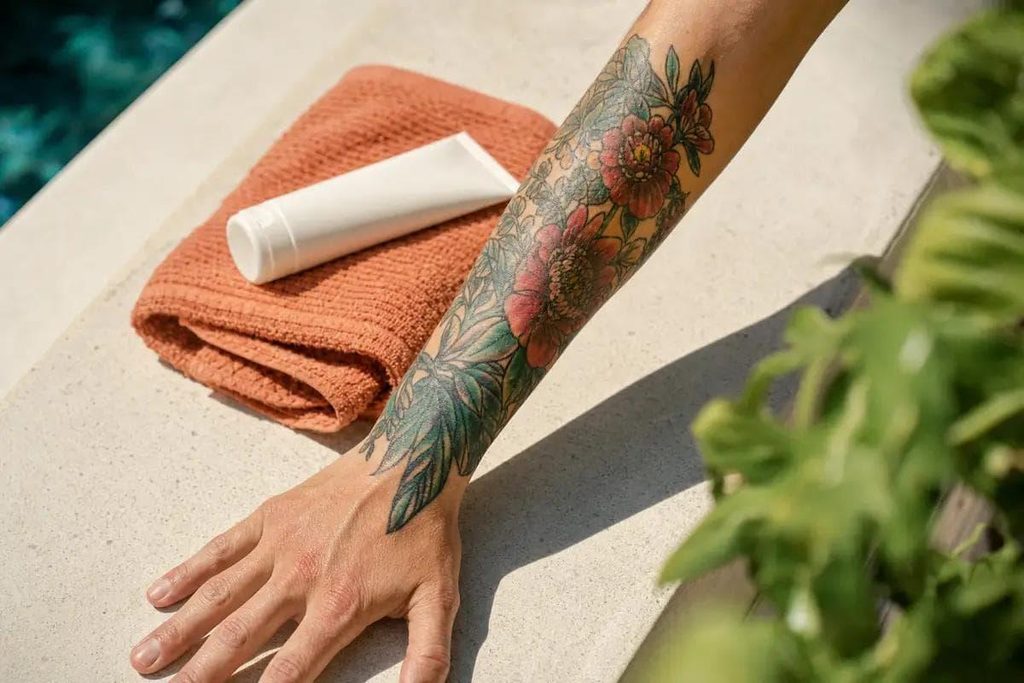
How Long Should You Wait Before Swimming After Tattoo?
You should wait until your tattoo is completely healed before swimming. For many tattoos, initial skin healing takes approximately 2–4 weeks, but larger or more complex designs may need additional time.
Tattoo healing varies depending on several factors:
- Tattoo size: Larger tattoos generally involve more skin trauma and may require longer recovery.
- Placement: Areas exposed to frequent movement, friction, or moisture may need additional care.
- Tattoo technique: Extensive shading, heavy color saturation, and repeated work over the skin can affect recovery.
- Personal healing: Your general health, skin condition, and aftercare routine influence how quickly your tattoo heals.
What is the typical tattoo healing timeline before swimming?
| Time after tattoo | Typical healing stage | Swimming recommendation |
|---|---|---|
| Days 1–3 | Fresh wound, tenderness, possible redness | Avoid |
| Days 4–7 | Early healing, itching or flaking may begin | Avoid |
| Week 2 | Peeling and surface recovery | Avoid unless fully healed, which should not be assumed |
| Weeks 3–4 | Many tattoos show substantial surface healing | Only if completely healed |
| After 4 weeks | Many tattoos have healed at the surface | Usually possible if skin is fully healed and healthy |
Do large tattoos take longer to heal before swimming?
They can.
A small fine-line tattoo may recover faster than a large full-sleeve design, but neither should be submerged before the skin has fully healed.
Large tattoos involve a greater area of skin and may be more susceptible to irritation during recovery.
For extensive tattoos, especially pieces completed over multiple sessions, discuss your swimming plans with your artist before scheduling water activities.
Why Is Swimming After Tattoo Too Early Dangerous?
Swimming with a fresh tattoo can increase the risk of infection, irritation, and healing complications.
Tattoo needles create numerous small punctures in the skin. Until these punctures heal, the skin’s natural protective barrier is compromised.
Swimming pools, oceans, lakes, and hot tubs can all expose healing skin to microorganisms or irritants.
Can swimming cause a new tattoo to become infected?
Yes. Even water that appears clean may contain microorganisms.
Swimming in natural bodies of water can expose an unhealed tattoo to bacteria. Chlorinated pools are treated to reduce contamination, but they are not sterile.
According to Sacramento County’s official tattoo aftercare recommendations, swimming and soaking in hot tubs or spas should be avoided until a tattoo is completely healed.
Can chlorine damage a fresh tattoo?
Chlorinated pool water may irritate newly tattooed skin, particularly while the skin barrier is still recovering. Possible effects include discomfort, redness, dryness, and further irritation.
The more significant concern is exposing a healing wound to swimming-pool water before it has recovered.
Can swimming make tattoo ink fade?
Swimming before a tattoo has healed can interfere with recovery and potentially affect the final appearance of the tattoo. Excessive irritation, infection, or premature removal of scabs may contribute to uneven healing and pigment loss.
However, ordinary swimming does not simply wash properly deposited tattoo ink out of fully healed skin.
How Do You Know Your Tattoo Is Healed Enough to Swim?
The safest approach is to evaluate the condition of your tattoo rather than relying entirely on a calendar.
A healed tattoo should look and feel similar to the surrounding healthy skin, apart from the visible tattoo pigment.
What are the signs your tattoo has fully healed?
- No remaining scabs or peeling skin.
- No open areas or fluid discharge.
- No persistent redness or swelling.
- No unusual tenderness or pain.
- Skin feels smooth and intact rather than raw or fragile.
Can Waterproof Bandages Protect Your Tattoo While Swimming?
No, waterproof bandage should be considered a reliable way to make swimming safe with a fresh tattoo. Products such as Second Skin and Saniderm are designed to help protect healing tattoos under certain conditions.
Although some are water-resistant and may allow showering according to product instructions, this does not mean they are suitable for swimming or prolonged immersion.
What Should You Do If You Accidentally Swim With a New Tattoo?
If you accidentally swim with a fresh tattoo, do not panic, but take the exposure seriously.
Not every water exposure leads to infection. However, prompt and appropriate care can help reduce further irritation.
What should you do immediately after swimming?
- Leave the water as soon as possible.
- Wash your hands before touching the tattoo.
- Gently rinse the tattoo with clean running water.
- Clean the area using mild, fragrance-free soap as directed by your aftercare instructions.
- Pat dry using a clean disposable paper towel.
- Continue your normal aftercare routine and monitor for unusual symptoms.
Avoid vigorous scrubbing, harsh disinfectants, or applying excessive amounts of ointment. If you had a protective dressing on, follow the product’s instructions if water entered beneath it or the seal failed.
Final Thoughts: How Long Should You Wait Before Swimming After Tattoo?
Swimming After Tattoo should wait until your tattoo has completely healed, typically at least 2–4 weeks for many people, although some tattoos need longer.
There is no guaranteed number of days that applies to every design or individual. The most important factor is whether your skin has finished healing.
Avoid swimming pools, oceans, lakes, hot tubs, and other forms of prolonged water immersion while your tattoo is still peeling, scabbing, irritated, or tender.
By following proper tattoo aftercare and allowing enough time for recovery, you can reduce the risk of infection and help preserve the appearance of your new ink.
A little patience now can help protect a tattoo you’ll enjoy for years.
Frequently Asked Questions About Swimming After Tattoo
1. Can I swim 3 days after getting a tattoo?
No. Three days is too early for swimming because the tattoo is still in its initial healing stage. Avoid pools, oceans, lakes, and hot tubs until the tattoo is fully healed.
2. Can I swim 7 days after a tattoo?
Generally, no. Most tattoos are still healing after one week. Even if the skin looks relatively normal, scabbing, peeling, or incomplete surface healing may still be present.
3. Can I swim 2 weeks after getting a tattoo?
Possibly, but only if the tattoo has completely healed. Many tattoos still require additional healing time at two weeks, so waiting longer is often safer.
4. Can I swim 3 weeks after getting a tattoo?
Some tattoos may be sufficiently healed after three weeks. However, swimming is only appropriate if the skin is fully intact, with no scabs, peeling, redness, or tenderness.
5. Can I swim 4 weeks after getting a tattoo?
Many tattoos have completed visible surface healing by four weeks, so swimming may be safe if the skin is fully recovered. Larger tattoos and slow-healing areas may require more time.
6. Can I swim in the ocean with a new tattoo?
No. Ocean water can contain bacteria that may cause infections in healing wounds. Wait until the tattoo is completely healed before entering seawater.
7. Is chlorine bad for a new tattoo?
Chlorine can irritate healing skin. Although pool water is disinfected, it is not sterile, so swimming in a chlorinated pool should be avoided until the tattoo heals.
8. Can I swim with a waterproof tattoo bandage?
No. Waterproof tattoo dressings are not intended to make prolonged swimming safe while the tattoo is healing. Water may enter underneath the dressing if its seal is compromised.
9. Can I shower after getting a tattoo?
Yes, showers are generally allowed when following your artist’s dressing and aftercare instructions. Use lukewarm water, avoid prolonged soaking or forceful water pressure, and gently pat the tattoo dry afterward.
10. Does tattoo size affect how soon I can swim?
Tattoo size can affect healing time. Larger tattoos often need longer recovery, but even a very small tattoo should not be submerged before the skin has fully healed.
Great Tattoos Deserve Great Aftercare.
Visit 3 of Spades Hanoi Tattoo for custom designs, professional artists, and expert aftercare guidance.
Book your free consultation today!