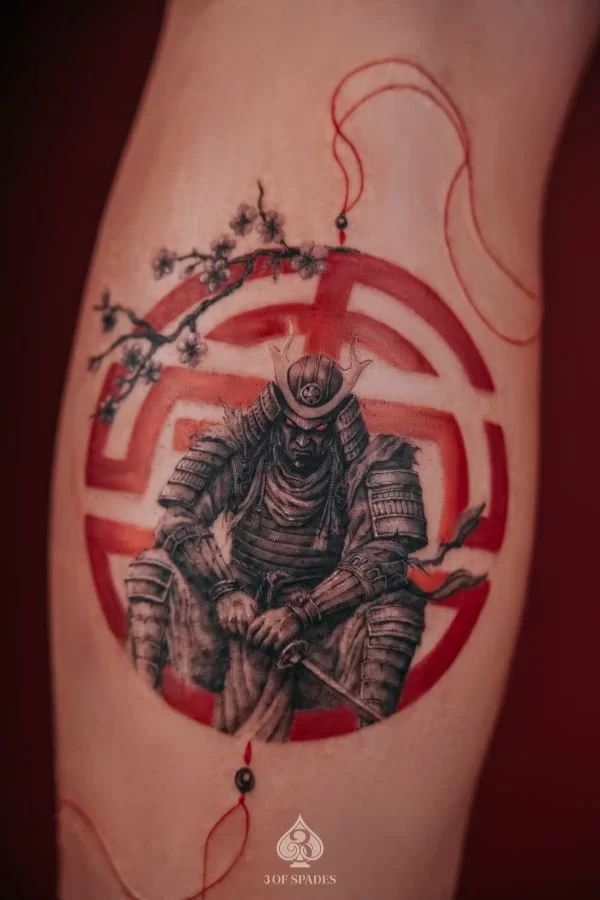
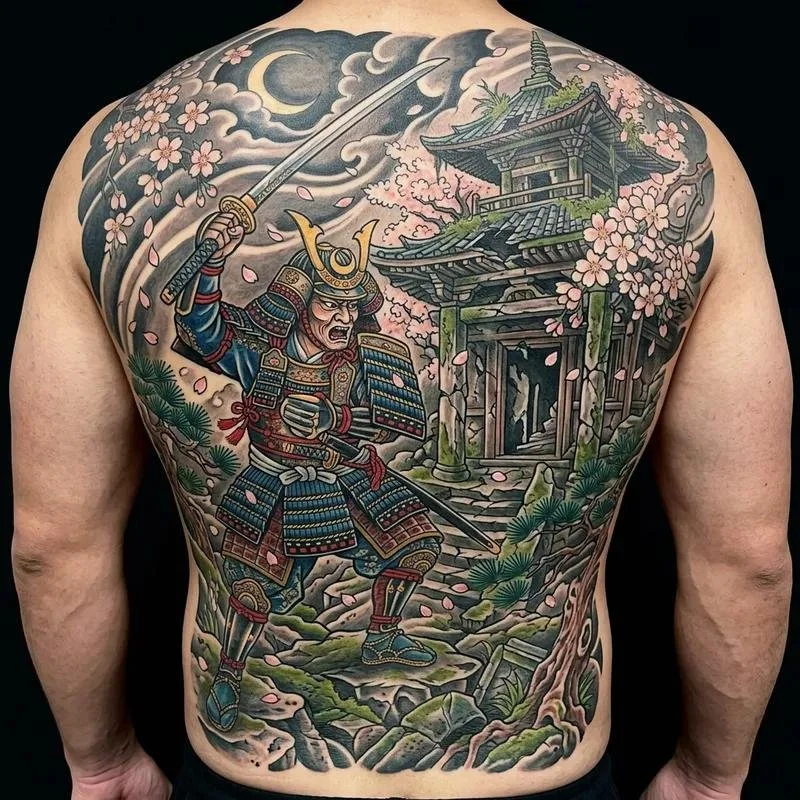
A lone warrior stands beneath falling cherry blossoms. His armor bears the marks of battle, his hand rests on the hilt of his sword, and his expression remains calm despite the danger ahead. A samurai tattoo represents strength, courage and the spirit of a fearless warrior.
But the history behind the image is far more complex. For centuries, samurai occupied an important place in Japanese society. They served military leaders, fought in conflicts, governed territories and eventually became powerful figures within Japan’s political and social structure.
Their legacy inspired stories about honor, loyalty, sacrifice and discipline. Today, the Japanese Samurai Tattoo often represents personal integrity, courage, resilience, self-control and dedication to a chosen path.
Yet the popular image of the honorable warrior does not tell the entire story.
To understand what a Samurai Tattoo truly means, we need to explore the history of the samurai, the evolution of Bushido and the symbolism behind Japanese warrior art.
What Does a Samurai Tattoo Mean?
A Samurai Tattoo commonly represents the values associated with the Japanese warrior tradition.
These include:
• Honor: Acting according to personal principles and maintaining integrity.
• Courage: Facing danger, uncertainty and difficult decisions.
• Loyalty: Remaining committed to people, responsibilities or ideals.
• Discipline: Developing strength through practice and self-control.
• Respect: Recognizing the value of others and one’s responsibilities.
• Resilience: Continuing through hardship and adversity.
• Sacrifice: Placing important commitments above personal comfort.
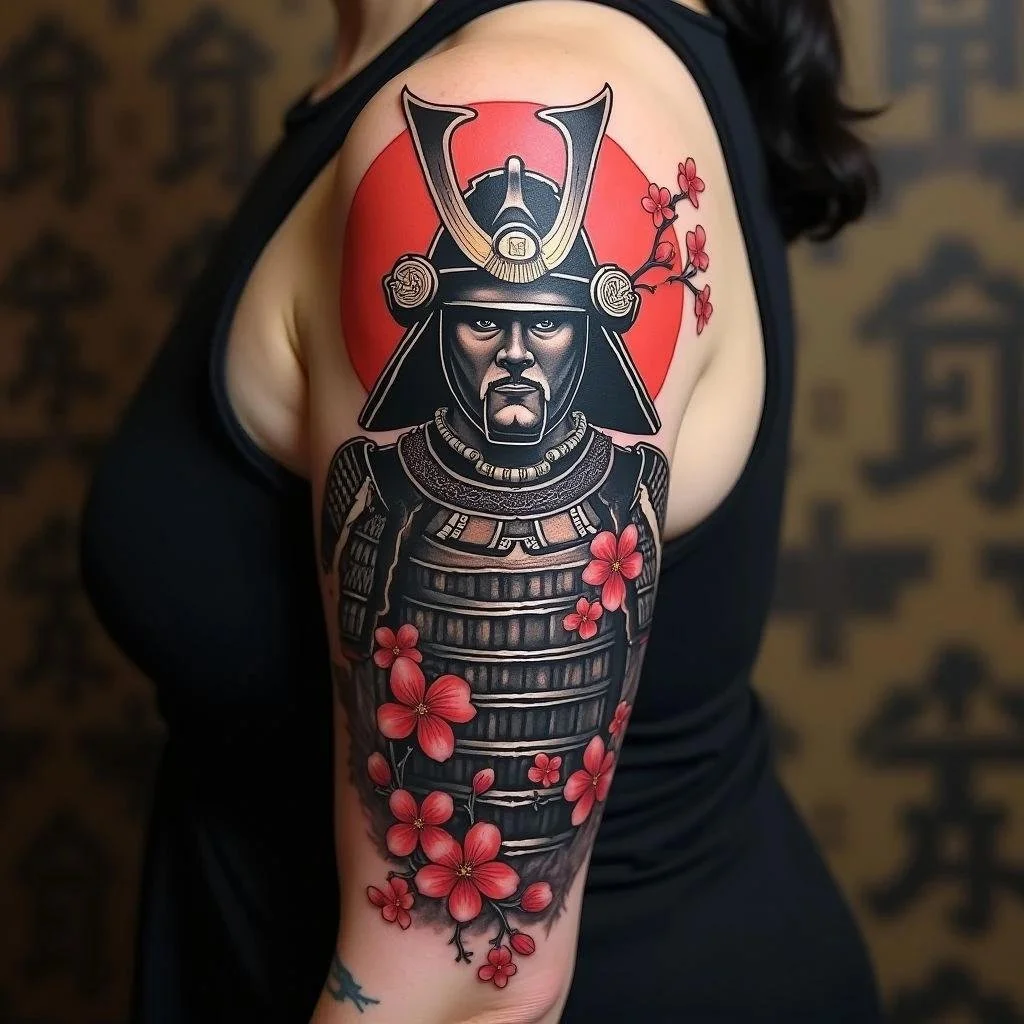
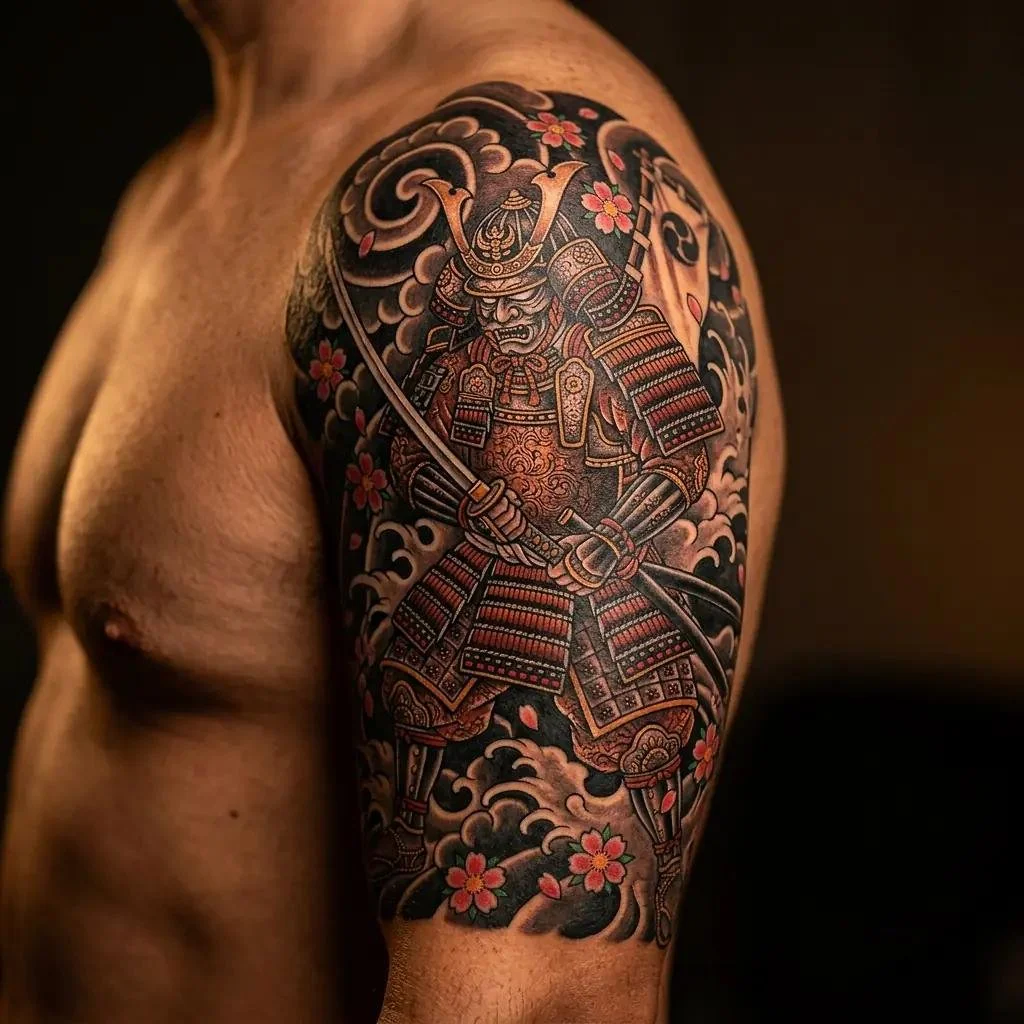
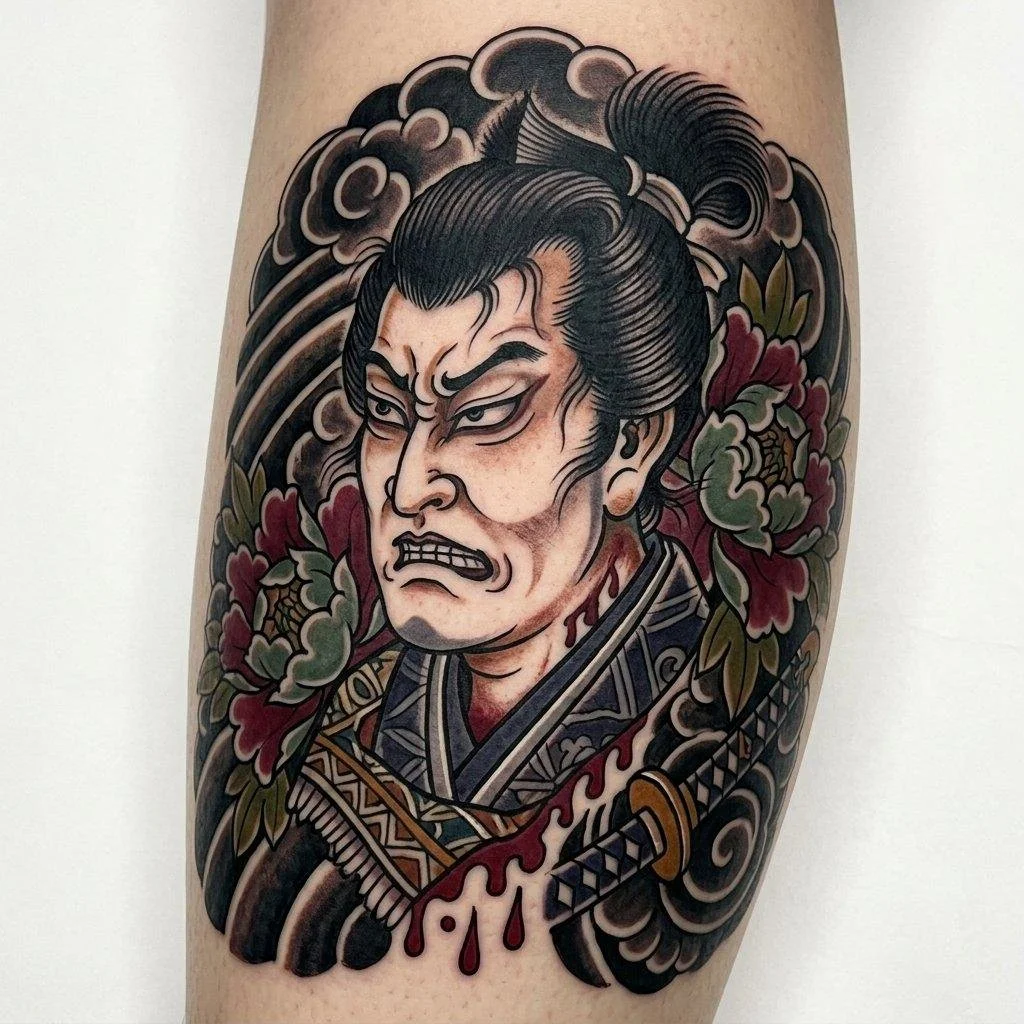
However, these meanings are largely influenced by the idealized image of samurai culture. Historical samurai were not a single group of warriors following one unchanging moral code.
Their roles, values and political loyalties evolved across different periods of Japanese history.
The tattoo’s symbolism is therefore best understood as a modern interpretation of the warrior ideal, informed by history, literature and popular culture.
Who Were the Samurai in Japanese History?
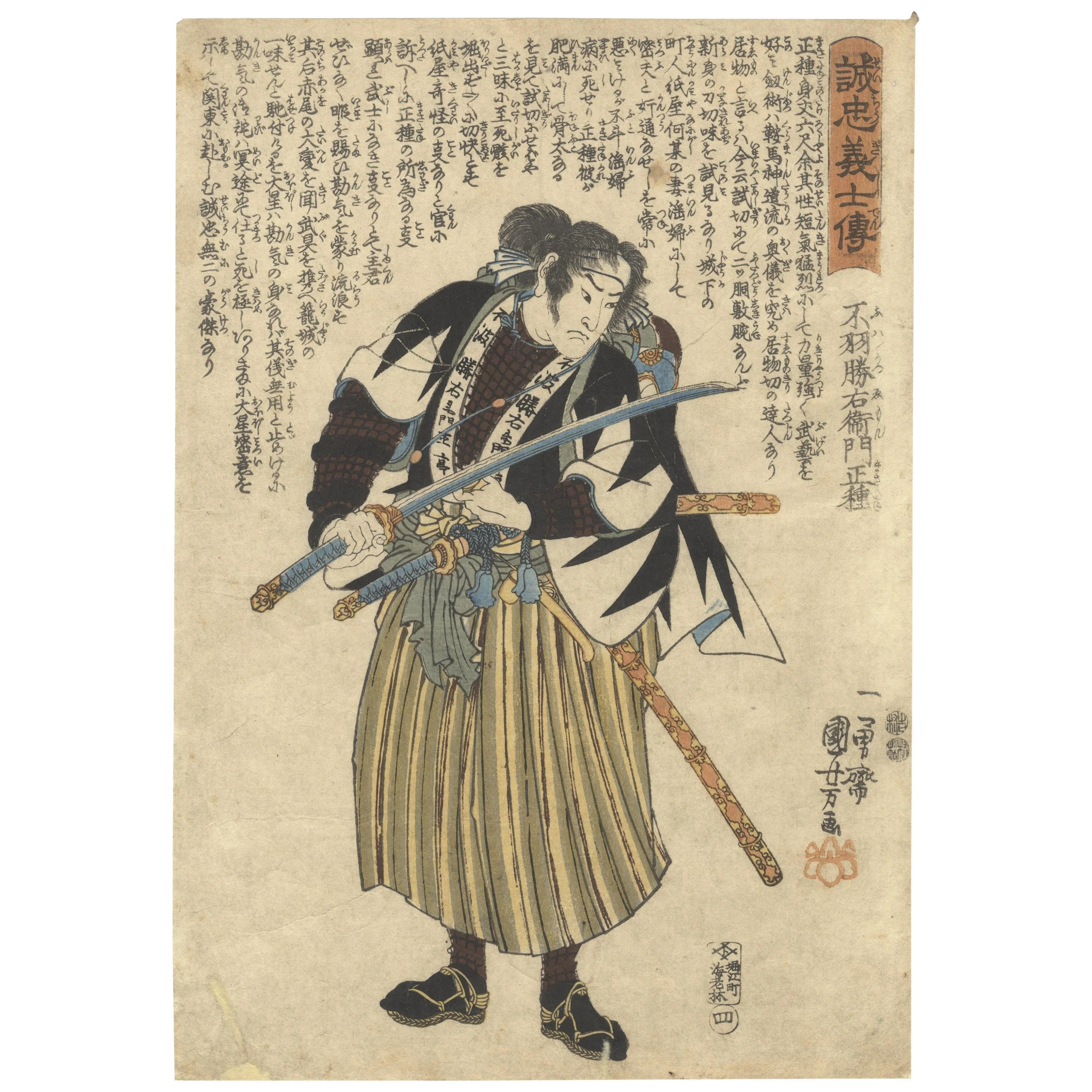
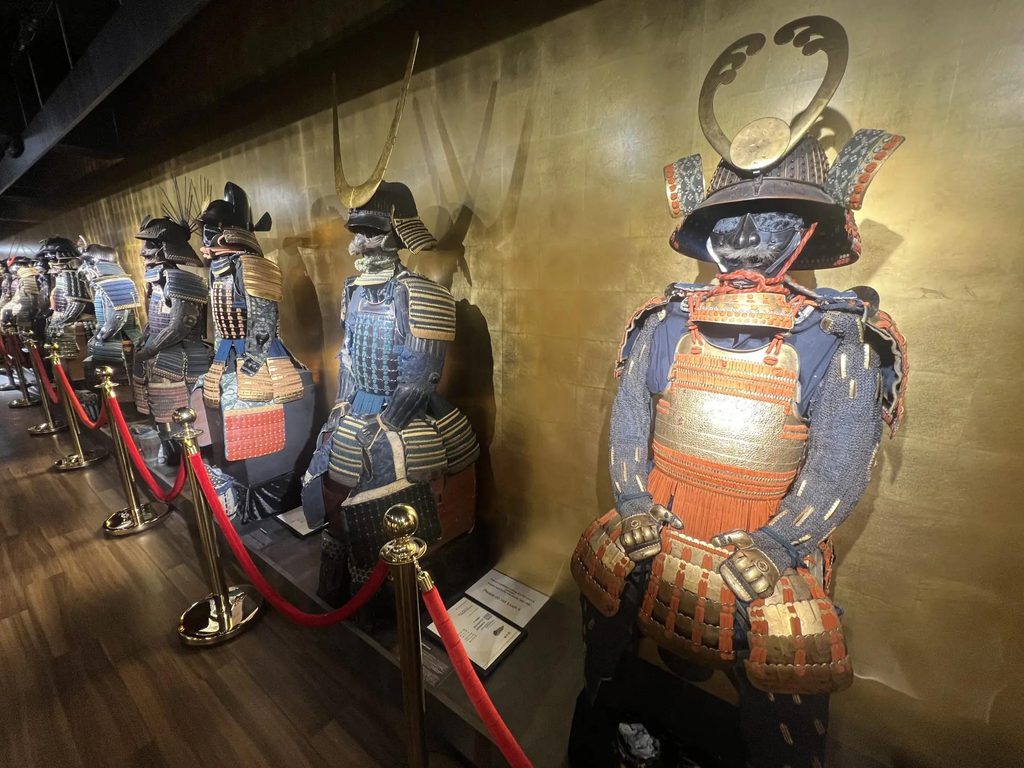
The samurai were members of Japan’s warrior class, whose influence developed over many centuries. The term samurai is commonly connected to the Japanese verb saburau, meaning to serve or attend.
Early samurai served powerful aristocratic families and regional leaders. Over time, warrior families gained military and political authority, eventually establishing governments led by shoguns.
How did the samurai become powerful?
During Japan’s medieval period, military families increasingly competed for influence and control. The establishment of the Kamakura shogunate in the late twelfth century marked a major shift toward warrior-led government.
Samurai continued to play central roles during the Muromachi and Sengoku periods, when regional conflicts shaped Japanese politics. The Tokugawa shogunate, established in 1603, brought a long period of relative peace.
During the Edo period, many samurai served as administrators, officials and retainers rather than constantly fighting on battlefields.
This historical evolution is important. The samurai were not simply sword-wielding warriors. They were also political figures, landholders, bureaucrats and members of a hereditary social class.
When did the samurai era end?
The samurai class lost its hereditary privileges during the reforms of the Meiji period in the nineteenth century. Japan’s modernization transformed its military and social institutions, eventually replacing the old warrior system.
However, the cultural image of the samurai continued to develop through literature, theatre, art and later cinema. That legacy remains influential in tattoo culture today.
Why Does a Samurai Tattoo Symbolize Honor?
Honor is one of the most recognizable themes associated with samurai imagery.
In modern tattoo culture, honor often means living according to personal principles, keeping promises and taking responsibility for one’s actions.
What did honor mean to historical samurai?
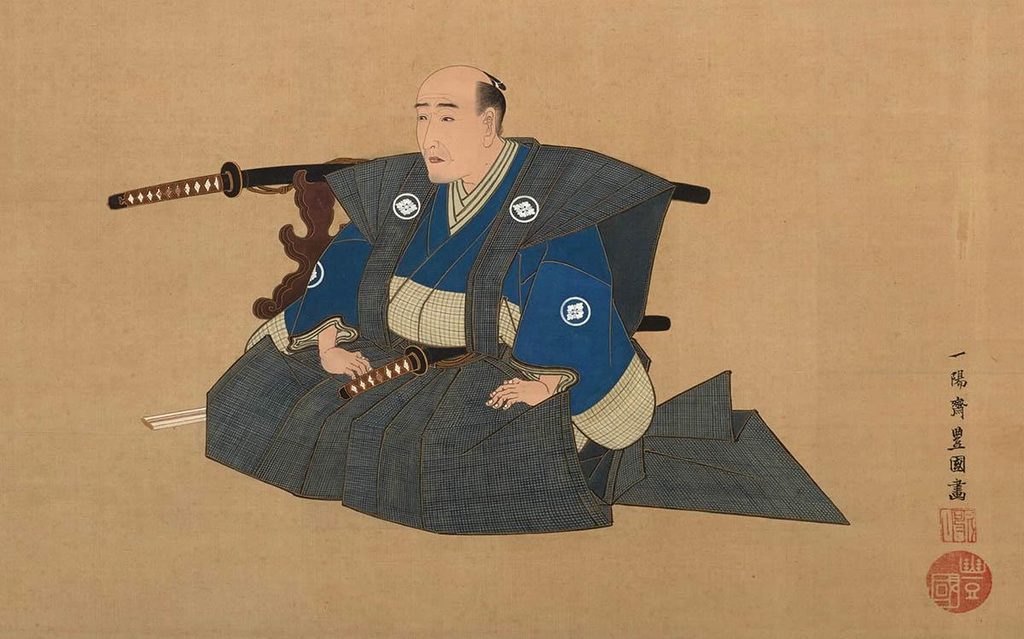
For historical samurai, honor could involve reputation, family standing, service, loyalty and social obligations. However, the exact expectations differed depending on the period, region and political circumstances.
Samurai could face competing responsibilities to their families, lords and personal interests. Their actions did not always match the moral ideals celebrated in later literature.
What does honor mean in a modern Samurai Tattoo?
A Samurai Tattoo can become a personal reminder to:
• Keep your word
• Accept responsibility
• Remain faithful to your principles
• Act with integrity
• Make difficult decisions without abandoning your values
This interpretation reflects the symbolic warrior ideal rather than claiming that every historical samurai lived by the same ethical standards. Honor is not simply about how a warrior is remembered. It is about the principles a person chooses to follow.
Why Does a Samurai Tattoo Represent Courage?
Courage is central to the popular image of the samurai. Their military role required them to confront danger, uncertainty and the possibility of death.
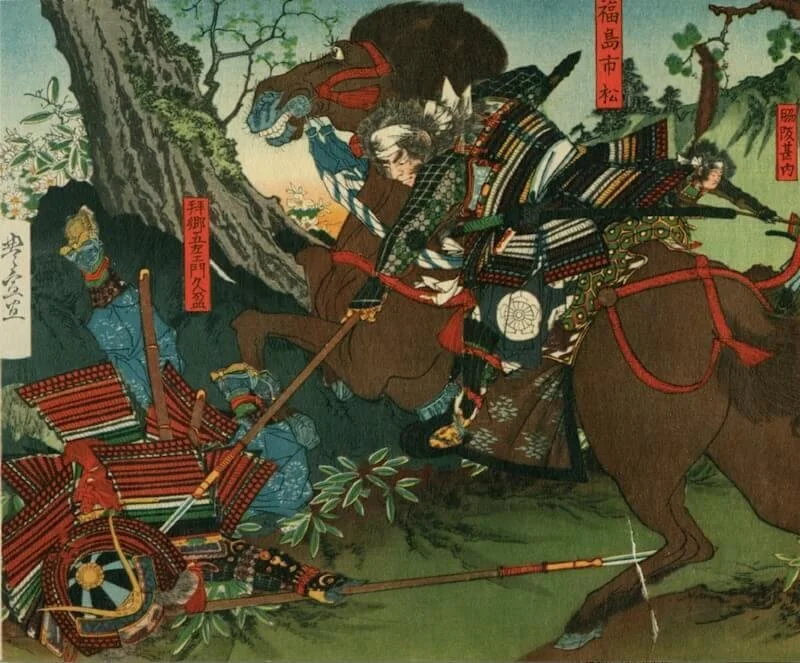
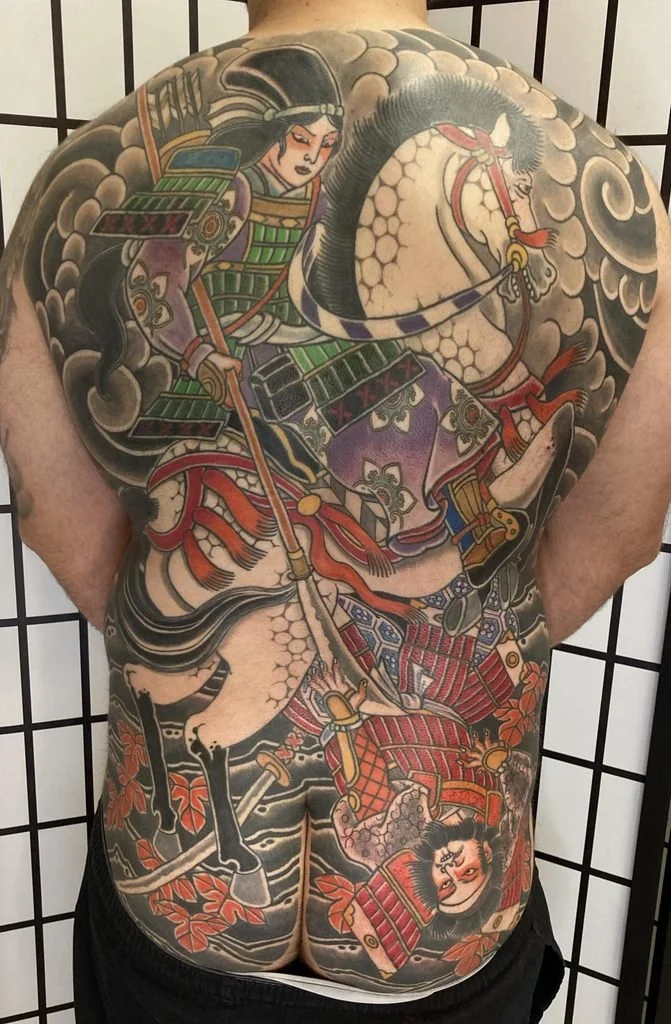
However, courage does not necessarily mean the absence of fear. For a modern tattoo wearer, it can mean acting despite fear.
A Samurai Tattoo may therefore represent:
• Overcoming personal adversity
• Defending important beliefs
• Facing difficult life changes
• Remaining calm under pressure
• Choosing responsibility over comfort
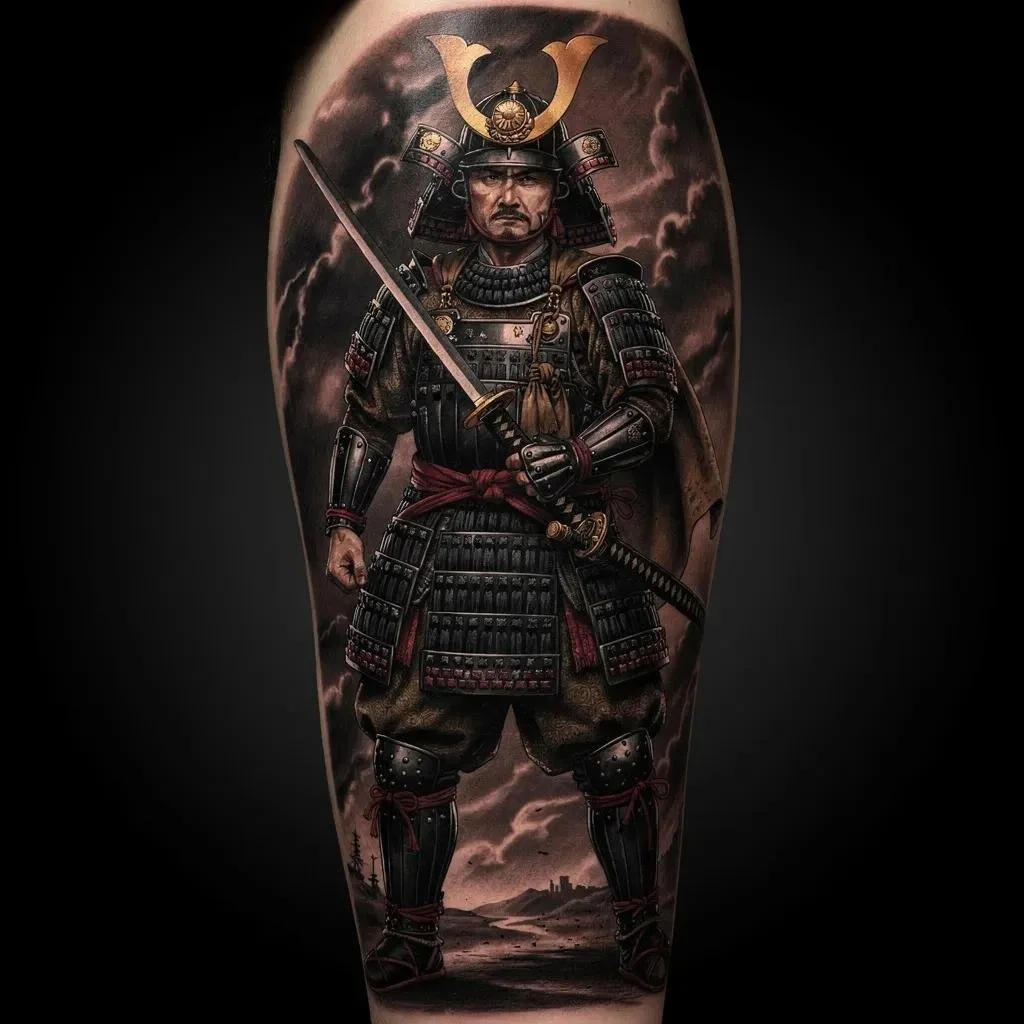
A warrior standing calmly before battle can communicate a different kind of courage from a warrior charging forward with a raised sword. Both images can be powerful, but they tell different stories.
What Is Bushido, and How Does It Relate to Samurai Tattoos?
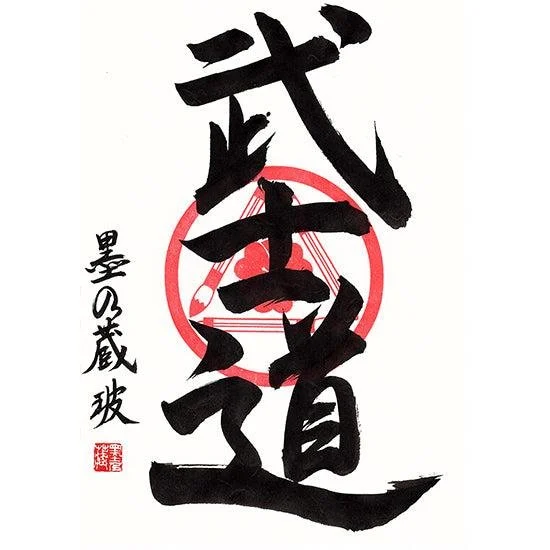
Bushido (武士道) is commonly translated as “the way of the warrior.”
Today, Bushido is frequently described through virtues such as courage, honor, loyalty, respect and self-control. However, the historical development of Bushido is more complicated than a single ancient moral code.
Did all samurai follow the same Bushido code?
No.
The values associated with samurai conduct developed across different periods and intellectual traditions.
During the Edo period, scholars and writers increasingly discussed ideal warrior behavior, drawing on Confucian, Buddhist and other ethical influences.
The modern popular understanding of Bushido was also shaped by later interpretations, including Nitobe Inazō’s influential book Bushido: The Soul of Japan, published in 1900.
It would therefore be inaccurate to claim that all samurai followed one fixed set of seven virtues throughout Japanese history.
What does a Bushido Samurai Tattoo mean?
A Bushido-inspired tattoo can represent a personal commitment to:
• Moral integrity
• Courage
• Compassion
• Respect
• Honesty
• Loyalty
• Self-discipline
These are common modern interpretations rather than an exhaustive historical rulebook. For a meaningful design, the wearer should decide which principle matters most instead of treating Bushido as a decorative label.
Why Does a Samurai Tattoo Symbolize Loyalty?
Loyalty was an important part of many samurai relationships, particularly those between warriors and their lords. However, historical loyalty was often complicated by political alliances, family obligations and changing circumstances.
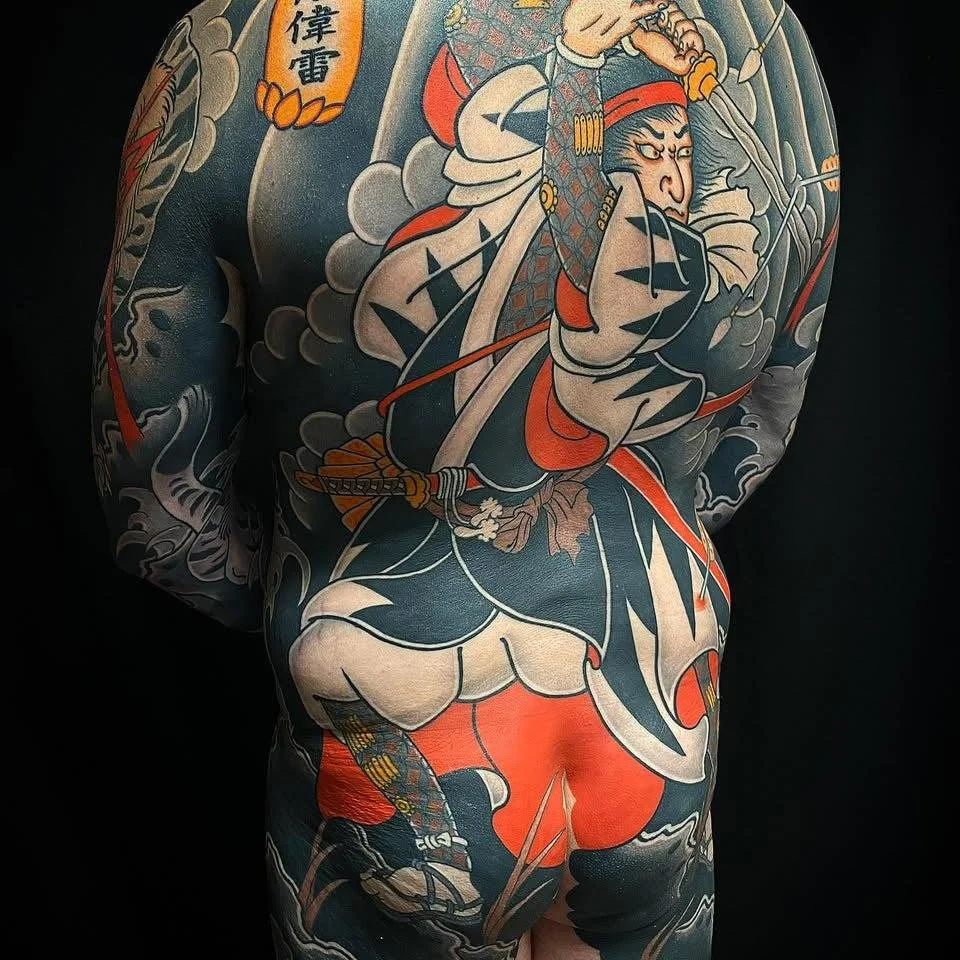
What is the story of the Forty-Seven Rōnin?
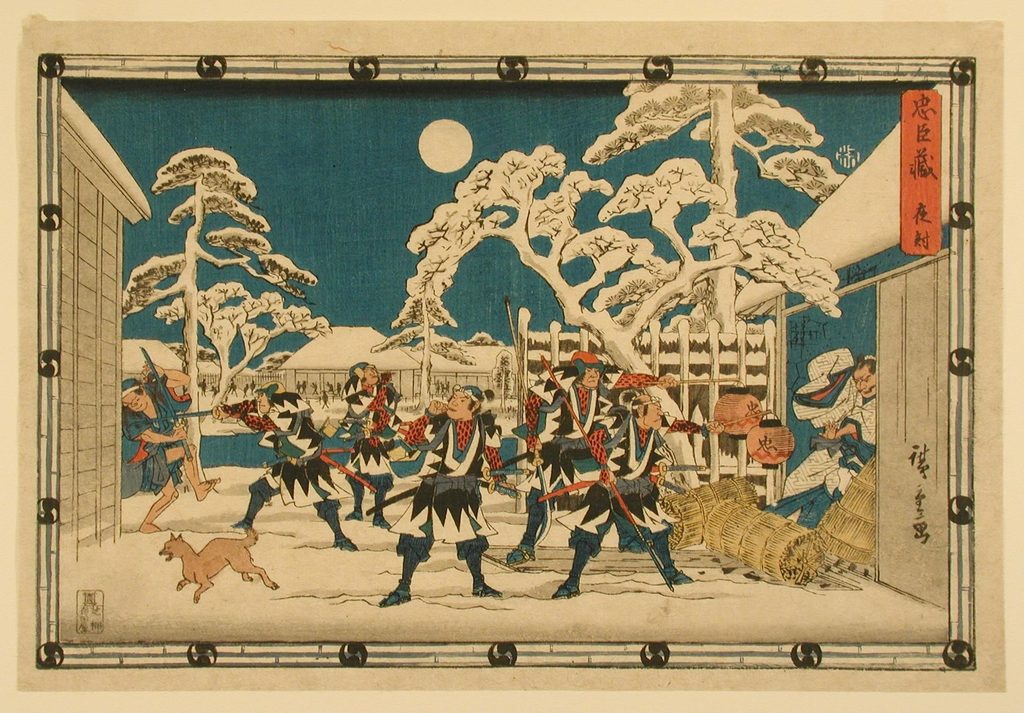
One of Japan’s most famous stories about samurai loyalty is the tale of the Forty-Seven Rōnin. Following the death of their lord Asano Naganori in 1701, a group of former retainers eventually carried out revenge against Kira Yoshinaka.
The surviving participants were ordered to die by seppuku in 1703. Their actions became the subject of numerous theatrical works, literary adaptations and visual artworks.
The story is frequently celebrated as an example of loyalty and sacrifice. However, its moral implications have also been debated, particularly because the rōnin’s actions involved revenge and conflict with established authority.
What does a rōnin tattoo represent?
A rōnin was a samurai without a lord. In modern tattoo culture, a rōnin may symbolize:
• Independence
• Living outside conventional expectations
• Searching for purpose
• Personal freedom
• Resilience after loss
These are contemporary interpretations, not universal historical meanings.
Đọc thêm: Japanese Tattoo History: From Ancient Japan to Modern Irezumi
Why Does a Samurai Tattoo Represent Discipline and Self-Control?
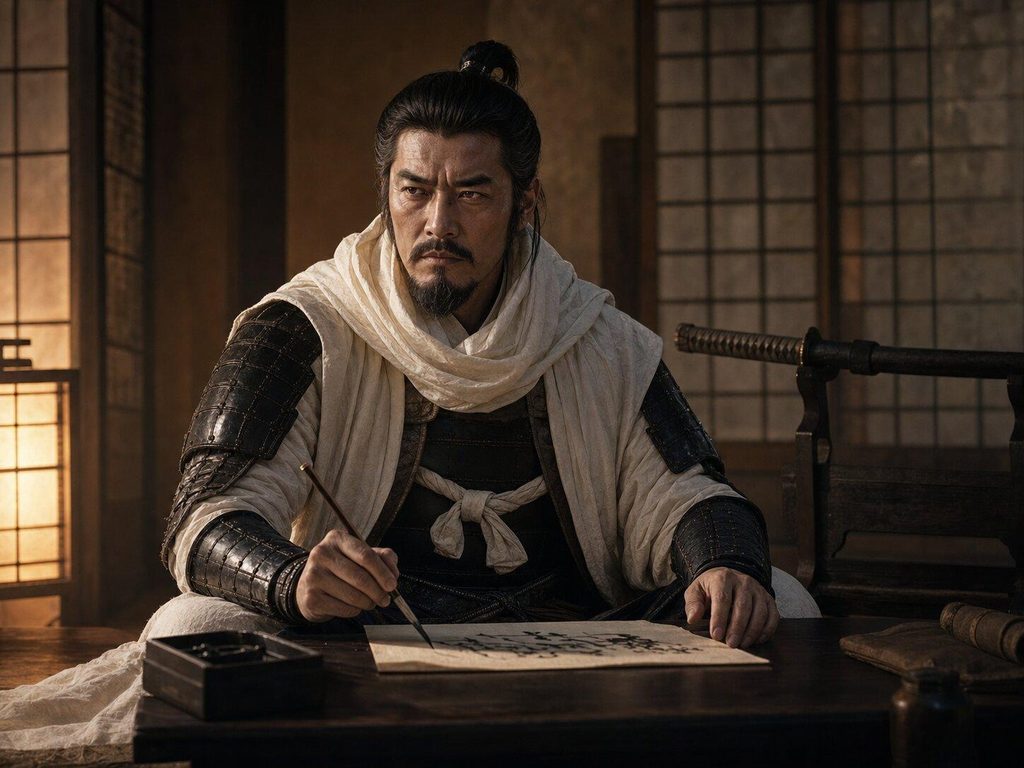
A samurai’s identity was shaped not only by warfare but also by training, responsibility and social expectations. Swordsmanship, archery, horsemanship and other martial skills required repeated practice.
During the relatively peaceful Edo period, many samurai also pursued scholarship, calligraphy and other cultural activities.
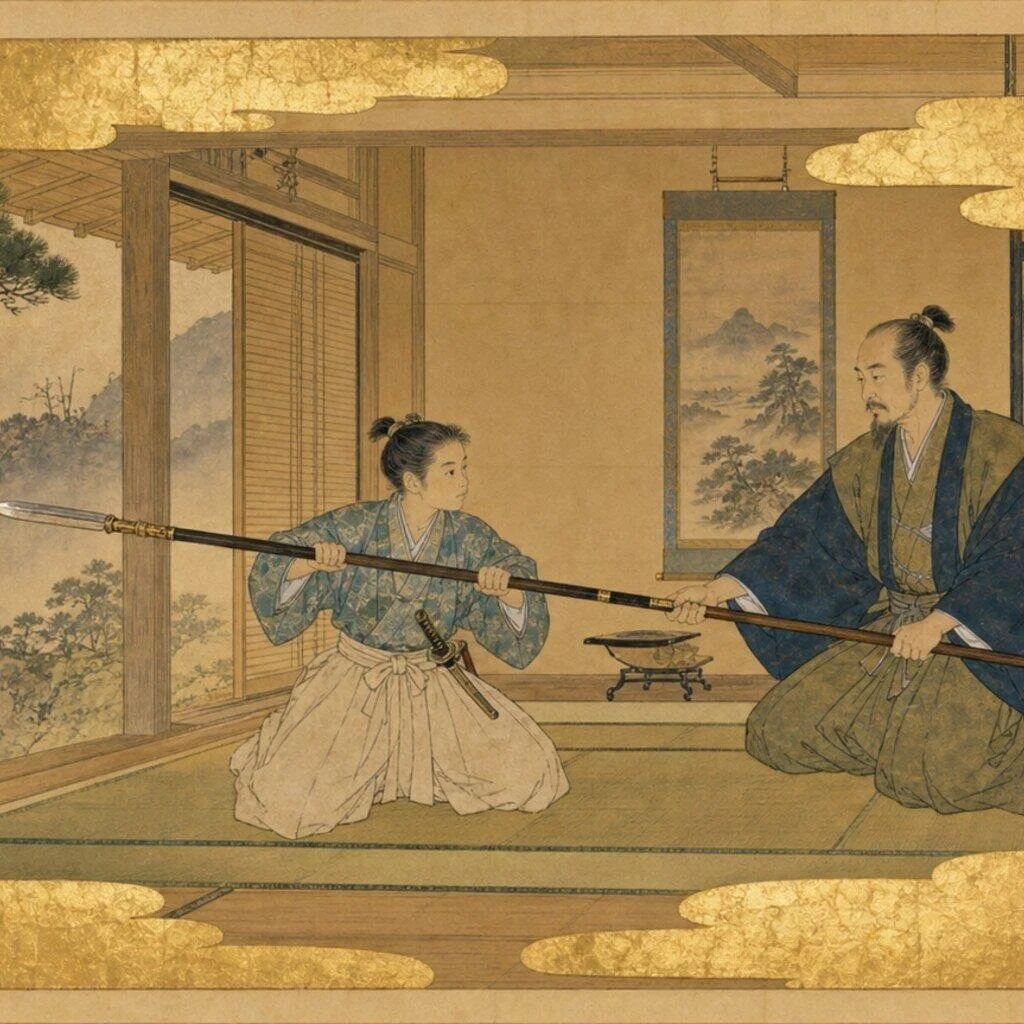
What does a meditating samurai tattoo mean?
A seated or contemplative warrior can represent:
• Emotional control
• Patience
• Mental focus
• Preparation
• Balance between action and reflection
This is primarily a modern artistic interpretation. Not every samurai practiced Zen meditation, and Zen Buddhism was not the exclusive spiritual tradition of Japan’s warrior class.
Nevertheless, the image of a calm warrior offers a compelling contrast to the violence of battle.
For someone who values self-improvement, a Samurai Tattoo can become a reminder that discipline is built through consistent action, not occasional displays of strength.
Is a Samurai Tattoo Associated With the Yakuza?
A Samurai Tattoo does not indicate Yakuza membership. Although traditional Japanese tattooing has historical associations with organized crime, samurai imagery belongs to a much broader history of Japanese art, literature and popular culture.
Warrior stories appeared in illustrated scrolls, woodblock prints, theatre and historical narratives long before modern tattoo culture.
A samurai design should therefore be understood through its specific imagery and personal meaning rather than treated as a criminal symbol.
Đọc thêm: Yakuza Tattoo History: How Tattoos Became Linked to the Yakuza
Frequently Asked Questions About Samurai Tattoo
1. What does a Samurai Tattoo mean?
A Samurai Tattoo commonly represents honor, courage, discipline, loyalty and resilience. These meanings are largely inspired by the idealized image of Japan’s warrior class and the modern interpretation of Bushido.
2. What does a Japanese Samurai Tattoo symbolize?
A Japanese Samurai Tattoo can symbolize dedication to personal principles, self-control, responsibility and the willingness to face difficult challenges.
3. What does Bushido mean in a Samurai Tattoo?
Bushido means “the way of the warrior.” In contemporary tattoo culture, it often represents virtues such as honor, courage, respect, loyalty and discipline. Historically, Bushido developed over time rather than existing as one universal samurai code.
4. What does a rōnin tattoo mean?
A rōnin was a samurai without a lord. Modern tattoo interpretations often associate rōnin with independence, resilience, freedom and searching for purpose.
5. Is a Samurai Tattoo a Yakuza tattoo?
No. Samurai imagery is part of Japan’s broader historical and artistic heritage. A Samurai Tattoo does not establish any connection to the Yakuza.
Final Thoughts: What Does a Samurai Tattoo Represent?
A Samurai Tattoo is more than the image of a warrior holding a sword. It can represent the pursuit of honor, the courage to face adversity and the discipline required to remain committed to personal values.
The historical samurai were complex people whose lives did not always match the ideals celebrated in modern culture. Yet their legacy continues to inspire powerful stories about responsibility, loyalty and resilience.
The warrior spirit is not simply about winning battles. It is about choosing what is worth standing for.
Đọc thêm: Hannya Tattoo: The Story Behind the Demon
Create Your Samurai Tattoo in Hanoi
Inspired by the history and symbolism of Japanese samurai?
At 3 of Spades Hanoi Tattoo, our artists can help develop a custom Samurai Tattoo based on your preferred warrior, historical references, artistic style and personal story.
Whether you’re considering a detailed samurai portrait, a Japanese-inspired sleeve or a larger backpiece, send us your reference images, approximate size, preferred placement and Hanoi travel dates to begin your consultation.
Every tattoo has a story. Let’s create yours.