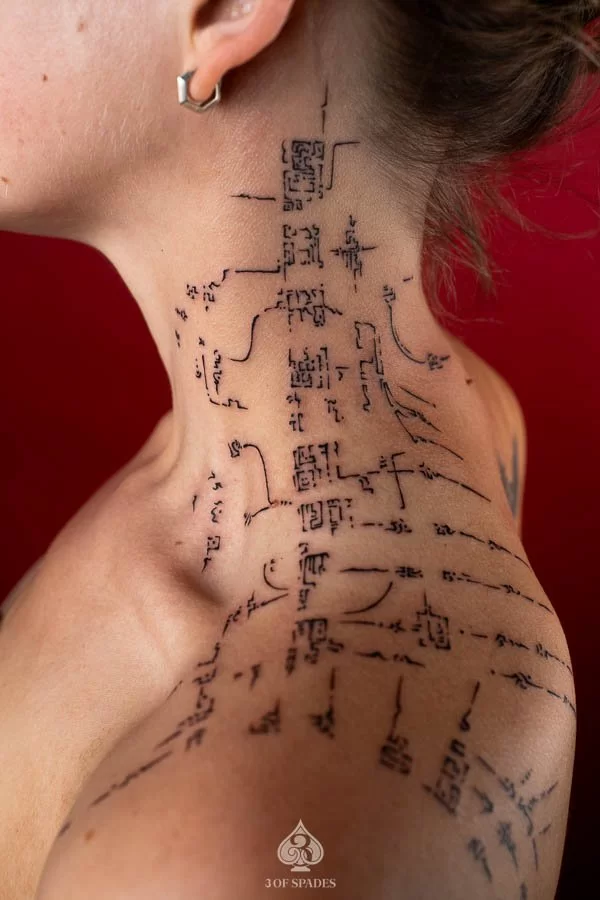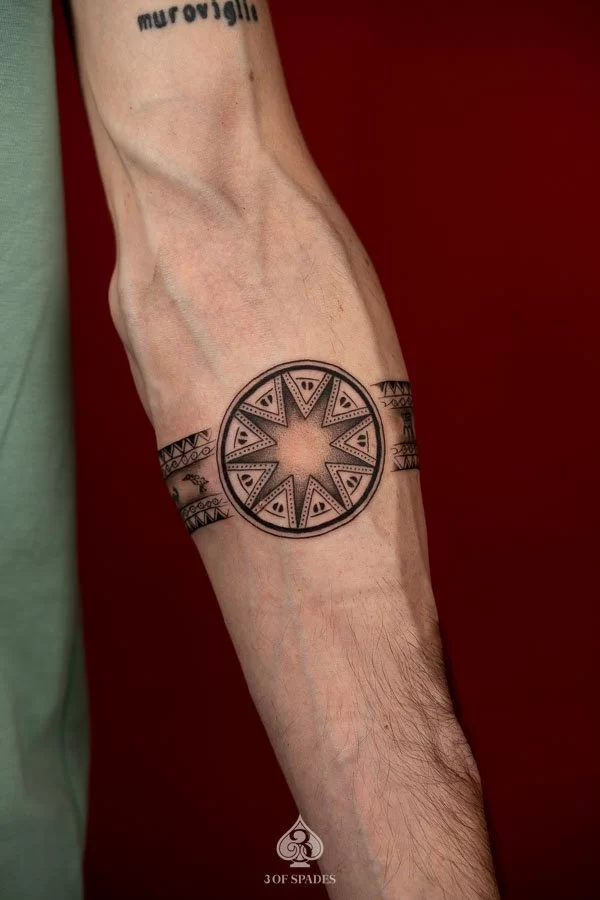
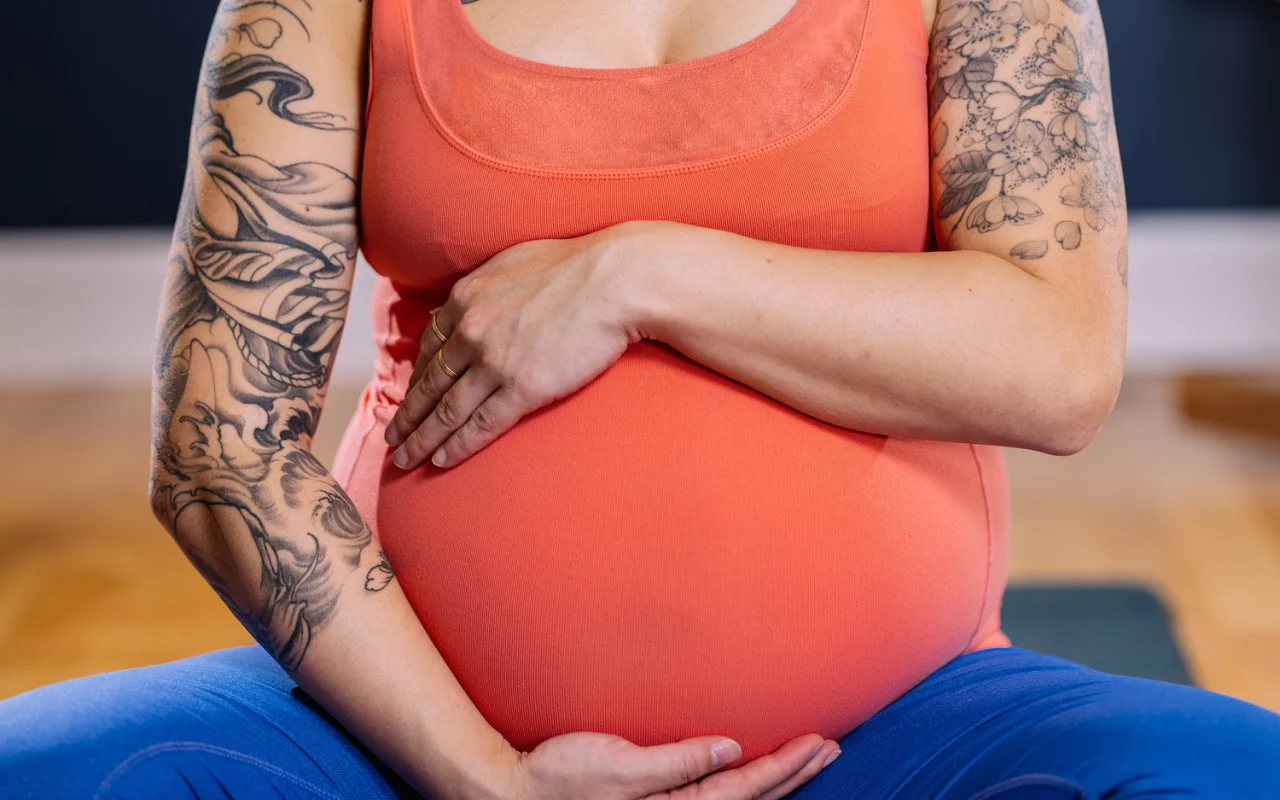
Discovering you are expecting brings a wave of excitement, lifestyle adjustments, and questions about everyday safety. For ink enthusiasts and travelers visiting Vietnam, a common question that arises is: can pregnant women get a tattoo? While adding a meaningful new design or travel souvenir sounds tempting, medical consensus from OB-GYNs and health organizations worldwide strongly advises against getting a new tattoo during pregnancy. Understanding the physiological, chemical, and infectious risks involved helps protect both maternal health and your developing baby.
At 3 Of Spades Tattoo Studio, located in the heart of Hanoi, our priority is always the safety, health, and well-being of our clients. We maintain strict ethical policies and advise all expectant mothers to postpone their sessions until after delivery and nursing.

Key Takeaways
- Medical Recommendation: Doctors and professional studios universally advise waiting until after delivery and breastfeeding to get a new tattoo.
- Primary Risks: Heightened risk of skin infection, blood-borne pathogens (Hepatitis B/C, HIV), and unpredictable systemic stress during pregnancy.
- Chemical Exposure Concerns: Limited research exists on how heavy metals or pigments in tattoo dyes cross the placenta or impact early fetal organ development.
- Existing Tattoos Are Safe: Tattoos gotten prior to becoming pregnant pose no threat to your pregnancy or baby.
Why Getting a Tattoo While Pregnant Is High Risk
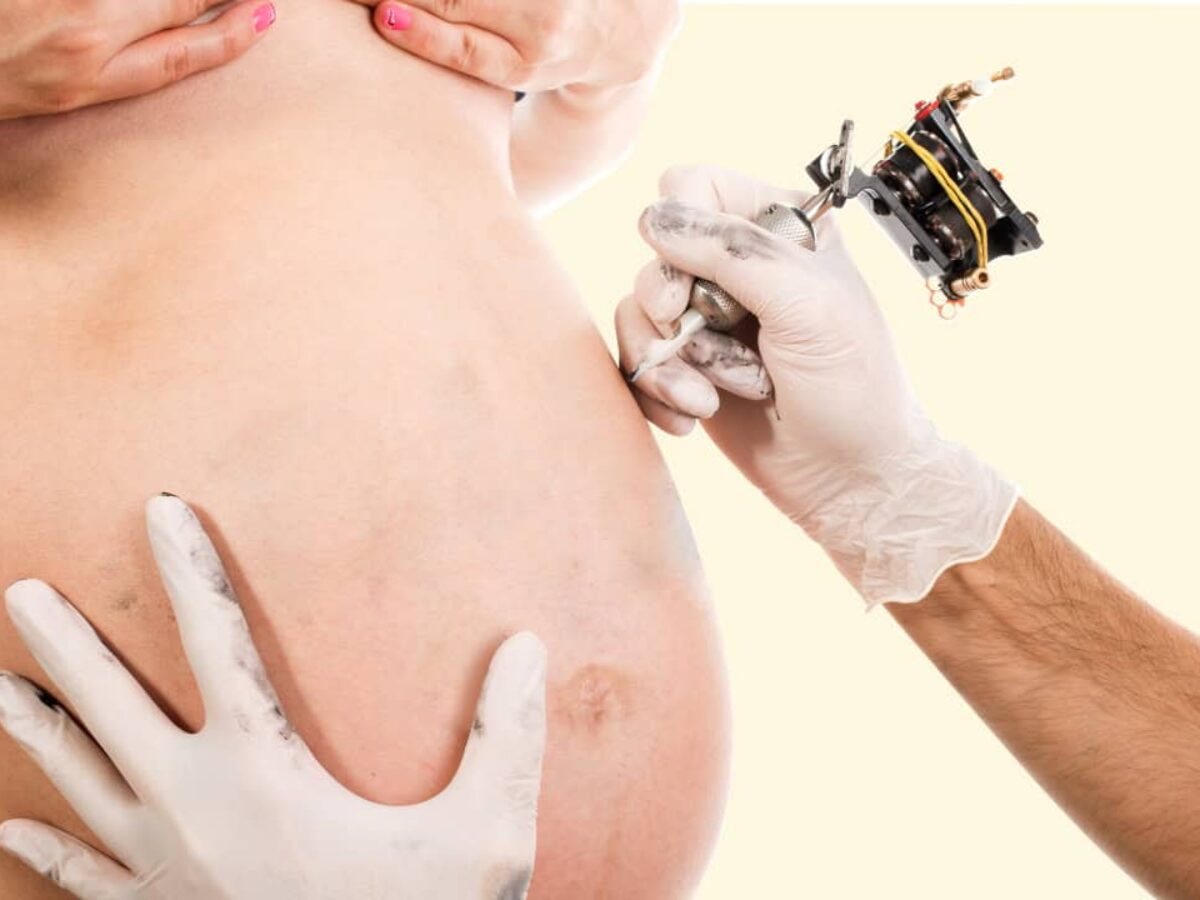
While getting inked in a professional, sterile studio carries minimal danger for healthy adults, pregnancy fundamentally alters how your body handles trauma, healing, and immune responses.
1. Heightened Risk of Bacterial and Blood-Borne Infections
During pregnancy, your immune system naturally shifts its behavior to protect the growing fetus, making expectant mothers more vulnerable to localized skin infections or systemic complications. Breaking the skin barrier creates an open wound. If a local infection develops, treating it may require antibiotics or medications that carry potential risks during gestation. Furthermore, unsterile equipment poses risks of blood-borne diseases like Hepatitis B, Hepatitis C, or HIV, which can be transmitted directly to the fetus.
2. Unknown Chemical Exposure to the Fetus
Tattoo pigments contain organic compounds, mineral salts, and micro-particles. Because comprehensive clinical studies on pregnant women are ethically restricted, medical science lacks definitive data on how microscopic ink particles entering the bloodstream might affect early organogenesis during the critical first trimester.
3. Fainting, Stress, and Blood Pressure Spikes
Tattooing triggers an adrenaline surge and stress response. Prolonged sessions can lead to sudden drops in blood sugar, dehydration, or vasovagal syncope (fainting). The physiological stress of intense pain or shock can cause fluctuations in maternal blood pressure and stress hormones.
4. Skin Changes and Design Distortion
Pregnancy causes significant hormonal fluctuations, fluid retention, and rapid skin stretching across the abdomen, hips, thighs, and breasts. A tattoo applied to stretching skin can become permanently distorted, warped, or scarred once your body recovers post-partum.
Pregnancy & Tattoo Risk Summary Matrix

| Risk Factor | Primary Concern | Potential Impact on Pregnancy |
|---|---|---|
| Bacterial Infection | Staph, Strep, or local wound infection | May require systemic medications; risk of fever |
| Blood-Borne Viruses | Hepatitis B, Hepatitis C, HIV | Risk of vertical transmission to fetus |
| Physiological Stress | Pain, fainting, blood pressure drops | Reduced oxygen/blood flow during fainting |
| Hormonal Sensitivity | Allergic reactions, hyper-pigmentation | Unpredictable allergic flare-ups |
| Skin Stretching | Stretch marks, tissue displacement | Permanent design warping post-delivery |
Common Myths: Existing Tattoos and Epidurals
A persistent myth suggests that women with lower back tattoos cannot receive an epidural during labor.
Medical Fact: Having an existing, fully healed tattoo on your lower back almost never prevents you from getting an epidural. Anesthesiologists are trained to insert the needle through clean, non-tattooed skin gaps or make a tiny incision in the skin to avoid pushing pigment particles into the spinal canal. Healed tattoos applied before pregnancy pose no danger to your baby or delivery plan.
Safe Alternatives During Pregnancy
If you want to celebrate your journey or honor your time in Hanoi, consider these safe options:
- Pure Natural Henna (Mehndi): Natural henna derived from plant leaves is a safe, traditional temporary dye. Warning: Ensure the artist uses 100% natural brownish-red henna and avoid “Black Henna,” which contains toxic PPD (para-phenylenediamine) chemicals.
- Temporary Water-Transfer Tattoos: Fun, risk-free temporary tattoos allow you to experiment with placement without breaking the skin.
- Design & Consult First: Use your pregnancy time to research concepts, refine custom artwork, and plan your dream commemorative piece for after your baby is born and nursing is completed.
Frequently Asked Questions About Tattoos and Pregnancy
Can pregnant women get a tattoo safely?
Medical experts universally advise against getting a tattoo while pregnant. The primary risks include potential bacterial infections, exposure to blood-borne diseases, stress-induced fainting, and unknown effects of ink pigments on fetal development. The safest decision is to postpone your session until after delivery.
What happens if I got a tattoo before realizing I was pregnant?
If you got a tattoo before knowing you were pregnant, do not panic. Keep the tattoo clean, follow standard aftercare instructions, and monitor for any signs of infection. Inform your OB-GYN during your next checkup so they can monitor your overall health.
Can I get a tattoo while breastfeeding?
Most medical professionals recommend waiting until you have finished breastfeeding before getting a new tattoo. While ink molecules are generally too large to pass into breast milk, a potential skin infection or medication required for treatment could impact nursing safety.
How long after giving birth should I wait to get a tattoo?
It is best to wait at least 3 to 6 months post-partum. This gives your body, immune system, skin elasticity, and hormone levels adequate time to stabilize fully, ensuring optimal healing and long-term ink clarity.
Plan Your Post-Baby Tattoo Session at 3 Of Spades Hanoi
While we strictly refuse tattoo services for expectant mothers for safety reasons, our team at 3 Of Spades Tattoo Studio is always happy to help you sketch, refine, and plan your custom commemorative artwork in advance!