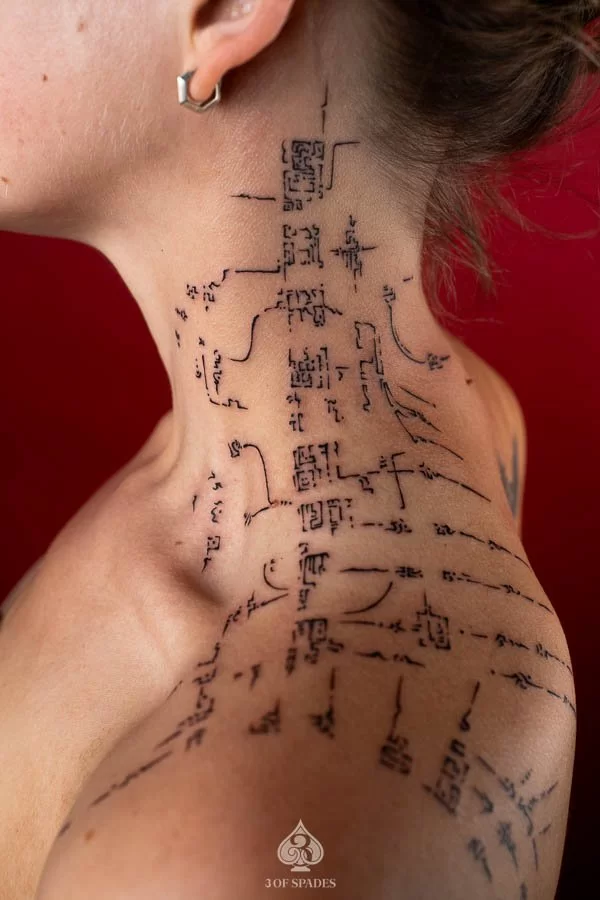
Tattooing in Vietnam is far from a modern trend; it is an ancient custom deeply rooted in the nation’s spiritual identity, royal history, and ancestral folklore. Known historically in Vietnamese as Tục xăm mình (or Đao tự), body tattooing was practiced for over two millennia—from the prehistoric Hung Kings era through the golden ages of the Ly and Tran dynasties. Ancient Vietnamese warriors, fishermen, and royalty covered their skin with intricate aquatic beasts, Dong Son geometric motifs, and sacred protective talismans.
At 3 Of Spades Tattoo Studio, located in the heart of Hanoi, our master artists specialize in translating ancient Vietnamese heritage and historical iconography into refined, custom tattoos crafted with contemporary fine-line precision and master-level anatomical flow.
Key Takeaways
- Ancient Origins (Tục xăm mình): Dating back to the Hung Kings era (Hung Vuong), early Vietnamese ancestors tattooed aquatic monsters (Giao Long) onto their skin to protect themselves while fishing in rivers and oceans.
- Royal & Military Traditions: During the Ly and Tran Dynasties (11th–14th centuries), tattooing reached its cultural peak; elite royal guards and military forces wore sacred dragon motifs and loyalty slogans like Sát Thát (Kill the Invaders).
- Dong Son Cultural Symbols: Prehistoric bronze drum motifs, Lac birds (Chim Lạc), solar starbursts, and geometric spirals form the foundation of traditional Vietnamese body art aesthetics.
- Modern Studio Craftsmanship: Reimagined at 3 Of Spades Hanoi using precise single-needle linework, controlled depth, and hospital-grade hygiene to ensure ancient cultural symbols age gracefully.
The Historical Evolution of Vietnamese Ancient Tattooing
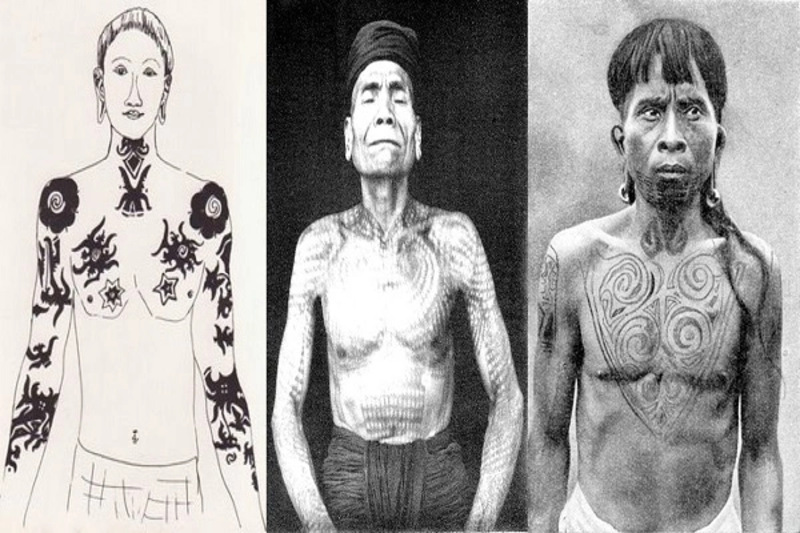
Understanding the deep historical roots of Vietnamese ancient tattoos transforms a heritage design into a powerful, living connection to Vietnam’s ancestral spirit.
1. The Prehistoric Era: Protection from the Giao Long (Water Monsters)
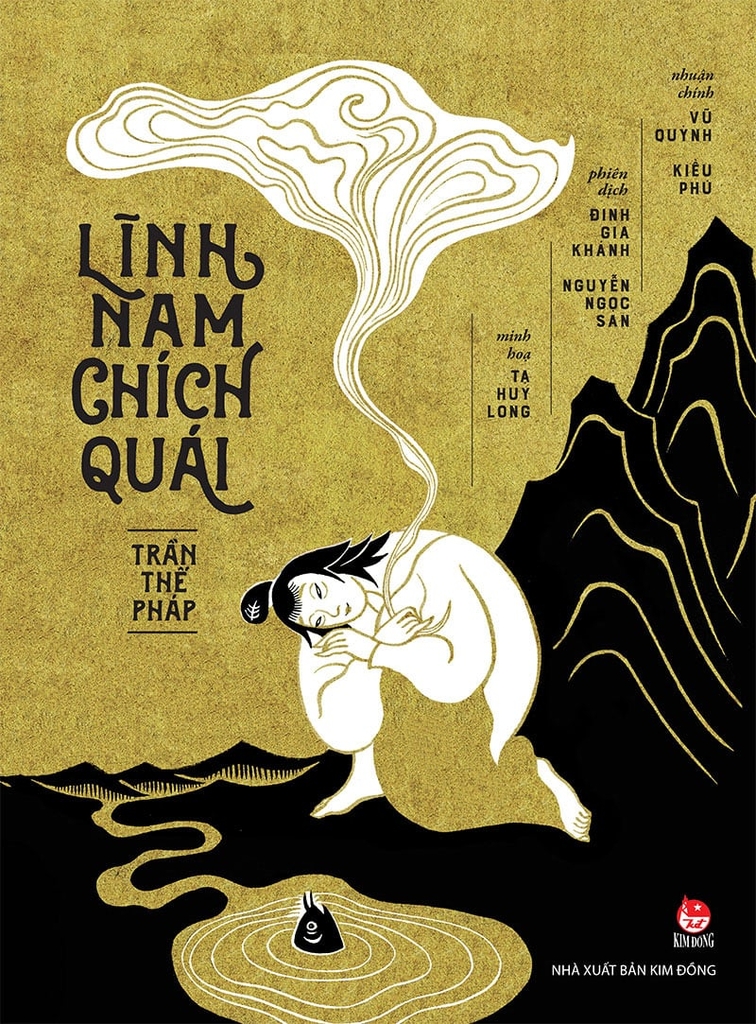
According to ancient historical chronicles such as the Lĩnh Nam Chích Quái and Đại Việt Sử Ký Toàn Thư, the tradition of tattooing began under the early Hung Kings. The early Vietnamese people lived primarily along riverbanks and coastal waters, where they frequently encountered dangerous marine predators known in folklore as Giao Long (water dragons or sea monsters).
The Hung Kings instructed fishermen and villagers to tattoo dragon, snake, and sea monster patterns onto their bodies. By transforming their skin to resemble aquatic creatures, the water monsters mistook them for their own kind, allowing the fishermen to hunt and dive safely.
2. The Ly and Tran Dynasties: Royal Honor and Military Strength

By the 11th through 14th centuries, tattooing shifted from a practical survival tactic into a prestigious emblem of royal pride, social status, and military bravery:
- The Ly Dynasty (1009–1225): Members of the royal court and elite guards wore elaborate dragon tattoos. The dragon of the Ly Dynasty was slender, graceful, and serpentine—symbolizing cosmic balance and divine royalty.
- The Tran Dynasty (1225–1400): During the Mongol invasions of Vietnam, soldiers under General Tran Hung Dao famously tattooed the two words Sát Thát (“Kill the Invaders”) onto their forearms, demonstrating unbreakable loyalty and readiness to die for the motherland. Royal guards were required to carry dragon tattoos on their thighs, chest, and arms.
Core Symbols in Ancient Vietnamese Tattoo Art
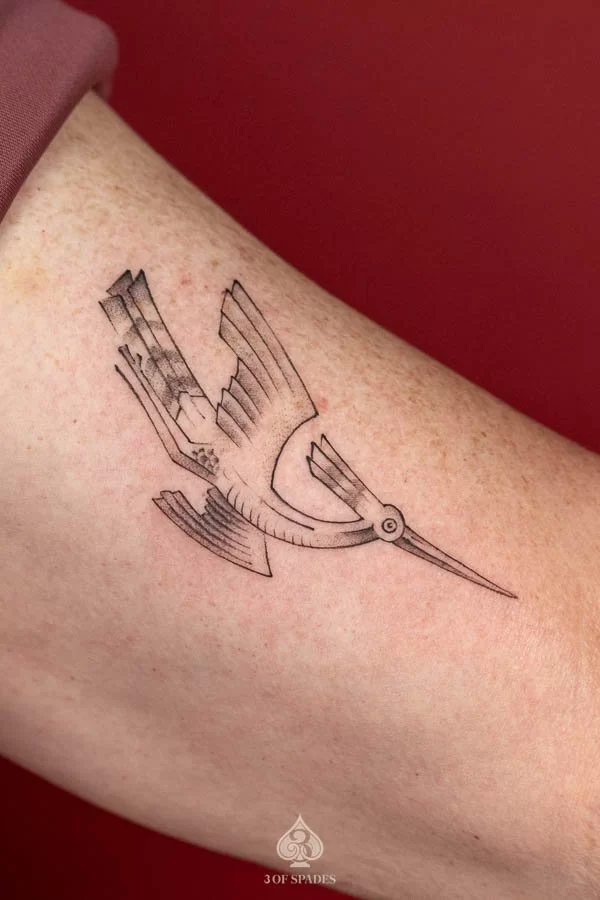
When translating historical artifacts into body art at 3 Of Spades Hanoi, several classic motifs stand out for their deep spiritual resonance:
- Chim Lạc (The Sacred Lac Bird): Found etched across ancient Dong Son bronze drums (dating back to 1000 BCE), the long-beaked, soaring Lac bird represents spiritual elevation, freedom, and the ancestral origin of the Vietnamese people.
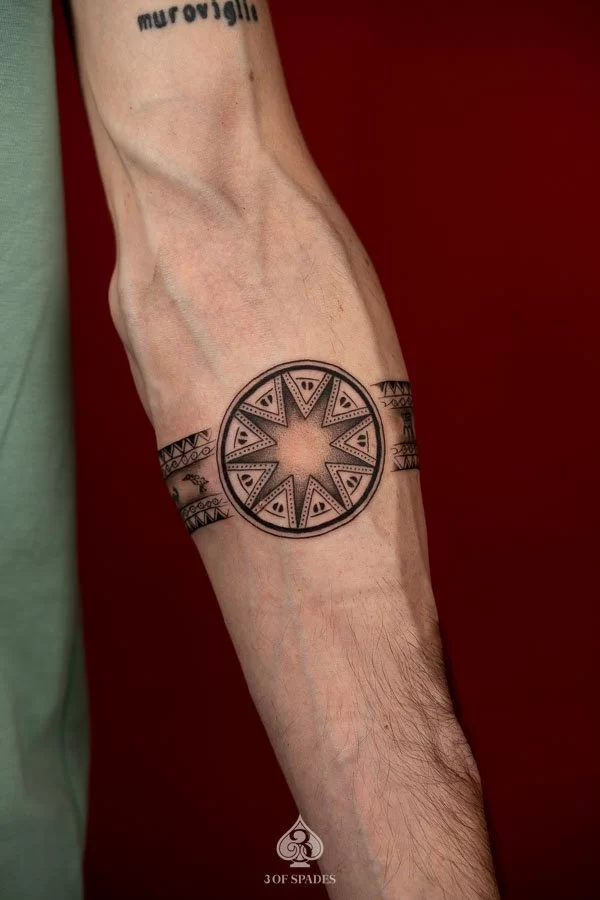
- Trống Đồng Đông Sơn (The Dong Son Drum): A central star motif surrounded by concentric rings of geometric feathers, deer silhouettes, and rice-pounding scenes—symbolizing the source of life, cosmic harmony, and agricultural prosperity.
- Rồng Thời Lý (The Ly Dynasty Serpentine Dragon): Unlike heavy Western or Chinese dragons, the ancient Vietnamese dragon features smooth, cloud-like body curves, a pearl in its mouth, and delicate flame scales, representing wisdom and imperial grace.
- Thần Rùa & Chim Hạc (The Sacred Turtle and Crane): Ancient elemental symbols representing the stability of the Earth (the Turtle) and the spiritual freedom of the Heavens (the Crane), often depicted together to signify eternal balance and longevity.
By opting for a custom ancient Vietnamese design at 3 Of Spades Tattoo Studio, you distill these profound layers of historical strength, resilience, and cultural pride into a sophisticated form—carrying a quiet emblem of where you have been and the inner strength you carry forward wherever you go in Hanoi and beyond.
See more custom artwork and historical concepts over at our3 Of Spades Tattoo Gallery!
Top Styles for Ancient Vietnamese Tattoos Today
1. Fine Line & Single-Needle Dong Son Art
Utilizing single-needle precision, this style translates intricate bronze drum geometric rings, Lac bird feathers, and ancient tribal patterns into crisp, paper-thin contours that fit modern aesthetic sensibilities.
2. High-Contrast Blackwork & Tribal Linework
Inspired by prehistoric body art, solid black ink saturation paired with clean negative space highlights emphasizes the bold strength of ancient sea-monster scales and warrior arm bands.
3. Illustrative Historical Realism
Combining vintage woodblock textures (Tranh Hàng Trống or Đông Hồ aesthetics) with fine-line shading to create detailed historical depictions of Ly Dynasty dragons, ancient warriors, or traditional temple motifs.
Placement Guide for Ancient Vietnamese Designs
Where you place your historical piece enhances how the artwork flows with your natural body contours:
- Forearm or Inner Arm: Ideal for vertical Dong Son bird arrangements, ancient script, or warrior band motifs (Sát Thát style).
- Full Back or Upper Back: The ultimate canvas for large-scale Ly Dynasty dragons, soaring Lac birds, or complete Dong Son sunburst halos across the shoulder blades.
- Thigh or Upper Leg: Honors royal Tran Dynasty traditions, where expansive dragon and aquatic patterns wrapped naturally around leg muscles.
- Chest or Collarbone: Creates a bold, symmetrical centerpiece incorporating central sunbursts or ancestral talismans over the heart.
How Fine-Line Historical Tattoos Age Gracefully
Because ancient geometric patterns and detailed bird feathers feature tightly spaced linework, technical application and proper aftercare are crucial to keeping the design sharp:
- Light-Touch Technical Precision: At 3 Of Spades Hanoi, our artists use calibrated machine settings and light needle depth to deposit ink precisely into the upper dermis layer, preventing line blowouts or ink migration.
- Mindful Healing Practices: Fine linework needs breathing room to heal naturally. Apply a wafer-thin layer of fragrance-free tattoo balm during the initial week and avoid over-saturating the skin.
- Sun Protection in Tropical Climates: Strong UV rays break down tattoo pigments over time. Protect your new ink from direct Hanoi sunshine and apply SPF 50 sunscreen once fully healed to keep your fine lines crisp and blackwork rich.
Frequently Asked Questions About Vietnamese Ancient Tattoos
What is Tục xăm mình in Vietnamese history?
Tục xăm mình refers to the ancient Vietnamese custom of body tattooing, which originated during the Hung Kings era over 2,000 years ago. Early inhabitants tattooed sea monsters (Giao Long) and sacred geometric patterns onto their skin for spiritual protection, military identity, and social status.
What does a Dong Son drum tattoo symbolize?
A Dong Son drum tattoo symbolizes ancestral Vietnamese identity, cosmic harmony, and life’s cyclical nature. The central starburst represents the sun as the source of life, while surrounding rings of soaring Lac birds (Chim Lạc) and rice scenes embody spiritual freedom and prosperity.
How long does a custom ancient Vietnamese tattoo session take at 3 Of Spades Hanoi?
A custom session takes between 1 to 3 hours for minimalist fine-line Dong Son motifs or script, and 5 to 10+ hours for large-scale Ly Dynasty dragons or full-back historical concepts. Session duration depends on design complexity, shading depth, and body placement.
How much does a custom ancient Vietnamese tattoo cost in Hanoi?
Custom tattoo pricing at 3 Of Spades Hanoi depends on design complexity, exact dimensions, and required session time. Hanoi offers world-class tattoo craftsmanship at accessible pricing. You can reach out directly to 3 Of Spades Hanoi for a free consultation and transparent price quote.
Plan Your Custom Tattoo Session at 3 Of Spades Hanoi
Whether you want to honor your Vietnamese heritage, commemorate your travels through Hanoi, or translate ancient Dong Son artifacts into a custom fine-line masterpiece, our team of English-speaking artists at 3 Of Spades Tattoo Studio is here to bring your vision to life in a welcoming, hygienic atmosphere.