Is Vietnam Safe for Tourists in 2026?
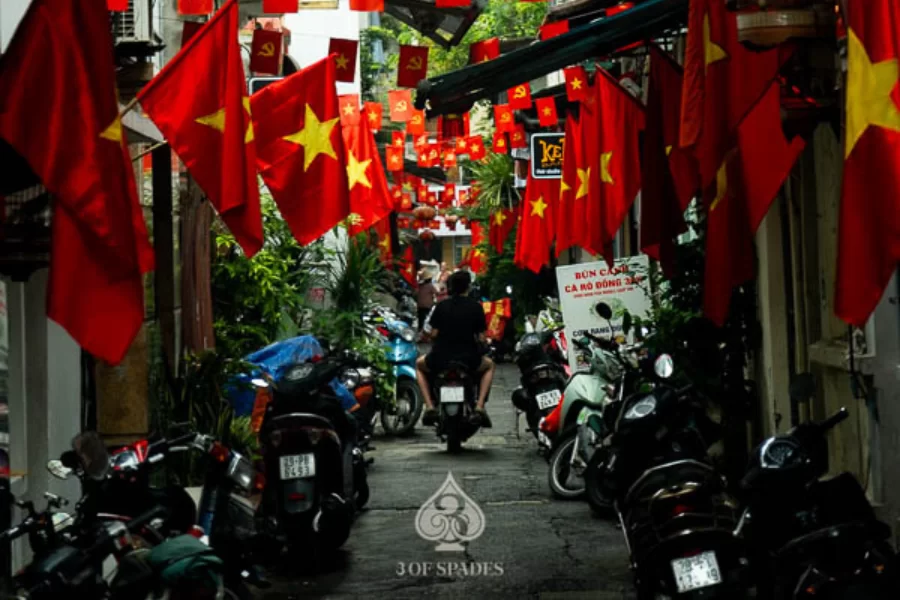
For many travelers planning their trip, one question always comes first: is Vietnam safe for tourists?
In 2026, the answer remains a confident yes. Vietnam is widely recognized as one of the safest countries in Southeast Asia, offering a travel experience that feels both exciting and secure. Whether you’re walking through the Old Quarter of Hanoi or exploring coastal cities like Da Nang, the overall sense of safety is something visitors consistently highlight.
When discussing Vietnam travel safety, it’s important to look beyond opinions. Vietnam’s reputation is supported by international rankings, government travel advisories, and real traveler experiences. These factors together explain why Vietnam continues to rise as a preferred destination for both short-term visitors and long-term travelers.
How Travelers Actually Think About Safety in Southeast Asia
Before choosing a destination, most people don’t look at indexes or reports—they think about simple, practical questions: Is it safe to walk around at night in Hanoi?, Will I get scammed?, Is it safe for solo or female travelers?, Do I need to constantly be on guard?…
These are the real concerns behind searches like “is Vietnam safe for tourists” or “safest country in Southeast Asia.”
Southeast Asia is an incredibly popular region, but safety levels can vary depending on the country and city. In some destinations, travelers may need to be more cautious about scams, nightlife-related risks, or certain areas after dark. That’s why many visitors do their research carefully before deciding where to go.
What makes Vietnam travel safety stand out is how consistently it addresses these everyday concerns. Most travelers quickly notice that they don’t need to stay alert all the time. You can walk through busy streets, explore local neighborhoods, or sit at a street-side café without feeling uneasy. This is also why Vietnam is often described as the safest country in Southeast Asia by travelers themselves—not because of statistics, but because of how it feels on the ground.
And when people ask again, “is Vietnam safe for tourists?”, the answer usually comes from experience: it’s a place where you can relax, explore freely, and focus on enjoying the journey instead of worrying about safety.
Vietnam’s Ranking Among the Safest Countries in Asia
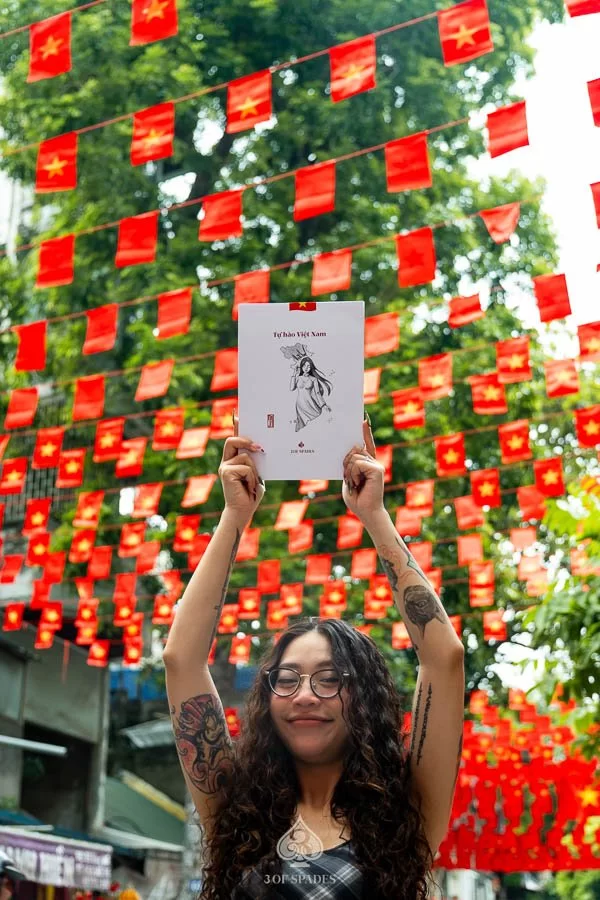
Vietnam’s position in global safety rankings is one of the strongest arguments for its reputation. In the 2025 Global Peace Index, Vietnam ranked 38th out of 163 countries, placing it in a high peace category. This reflects not only low levels of conflict but also strong internal stability.
In addition, the U.S. Department of State assigns Vietnam a Level 1 advisory: “Exercise Normal Precautions.” This is the lowest risk level available and is typically reserved for countries considered safe for general travel.
But beyond statistics, safety is something you feel. Walking through lantern-lit streets in Hội An or late-night food alleys in Hanoi, travelers often describe a sense of ease. This lived experience reinforces why Vietnam is frequently labeled the safest country in Southeast Asia by visitors themselves.
Low Crime Rate and Everyday Safety for Travelers
One of the most important aspects of Vietnam travel safety is its low level of violent crime. Serious incidents involving tourists are extremely rare, especially when compared to global travel hotspots.
When people ask, “is Vietnam safe for tourists?”, they are often concerned about crime. In reality, Vietnam’s crime landscape is relatively mild. Most travelers encounter nothing more than minor inconveniences such as petty theft or overcharging, which are manageable with basic awareness.
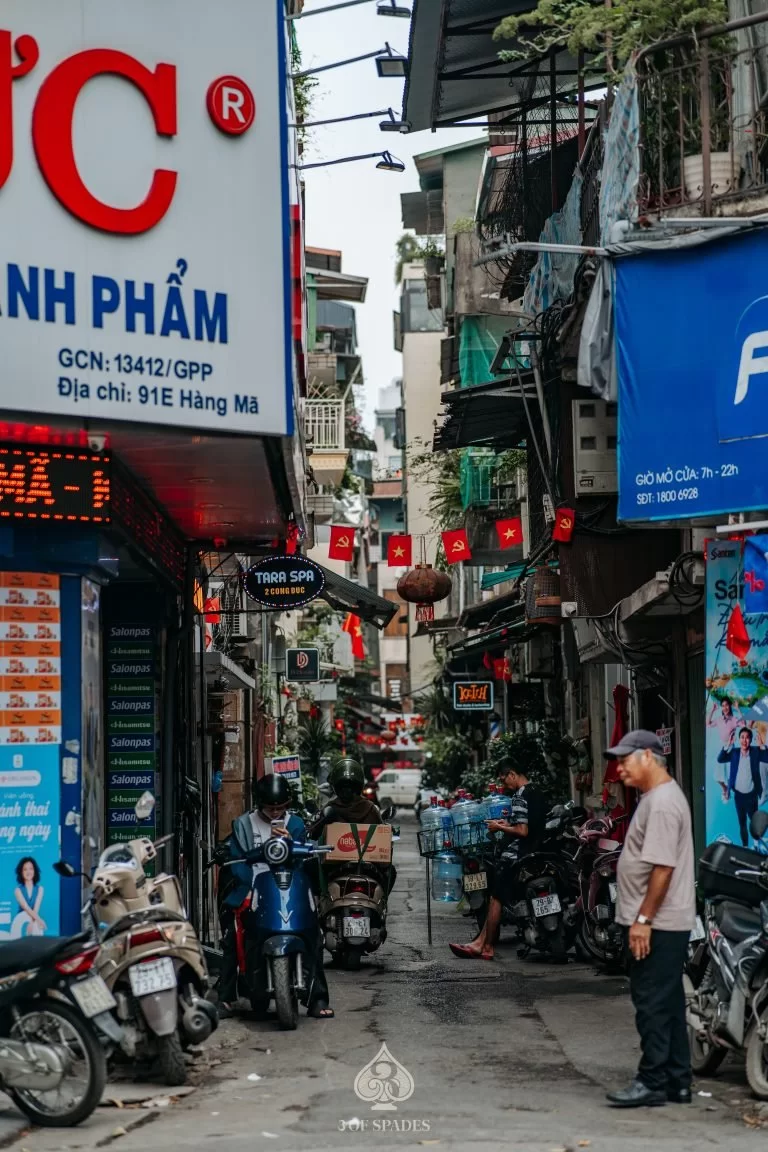
In cities like Hanoi, it’s common to see locals and tourists sharing the same public spaces late into the night. The atmosphere is lively rather than threatening. This everyday normalcy plays a major role in why Vietnam continues to rank among the safest countries in Southeast Asia.
Political Stability and a Predictable Environment
Another key reason Vietnam is considered safe is its political stability. Unlike some regions that experience unrest or sudden disruptions, Vietnam maintains a stable and controlled political environment. This stability reduces the risk of unexpected events that could affect travelers, such as protests or civil disturbances. For visitors, it creates a predictable setting where travel plans can unfold smoothly. When evaluating Vietnam safety 2026, political consistency is often overlooked—but it is one of the strongest foundations of the country’s overall safety profile.
A Culture That Makes Travelers Feel Safe
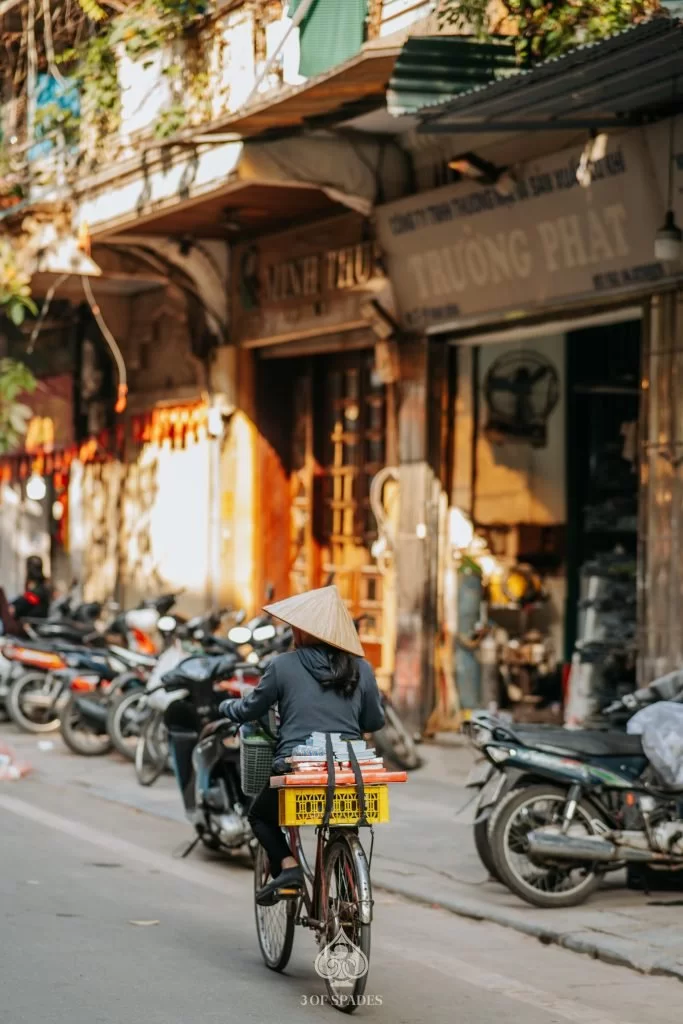
Safety is not only about statistics—it is also about how people treat you. In Vietnam, cultural values rooted in respect, community, and hospitality contribute significantly to how safe travelers feel.
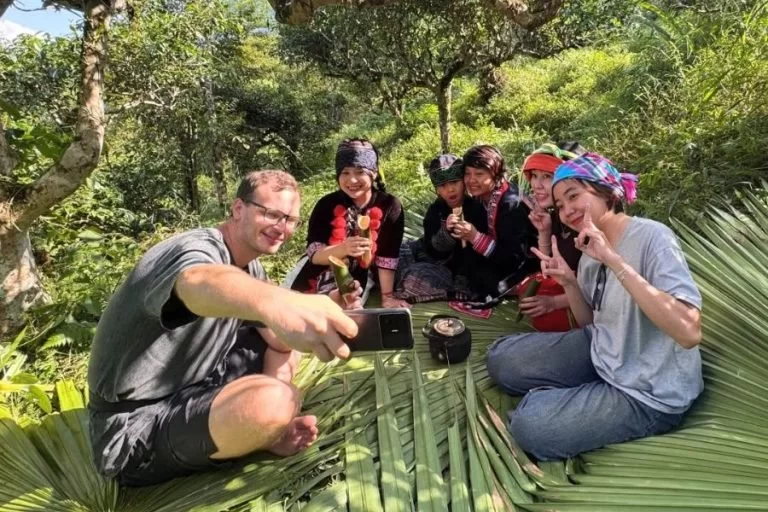
Visitors often notice that locals are approachable and willing to help, even when language barriers exist. This cultural warmth creates a sense of comfort that goes beyond physical safety. For many, this is what truly answers the question: is Vietnam safe for tourists? The answer is not just yes—it’s that Vietnam feels safe in a way that is both social and emotional.
Infrastructure, Transportation, and Daily Convenience
Vietnam’s rapid development has improved many aspects of daily travel. Modern infrastructure plays an important role in Vietnam travel safety, making it easier and more reliable to move around the country.
Ride-hailing apps like Grab have replaced many informal transport options, offering transparency and safety for travelers. Airports, domestic flights, and intercity transport have also become more standardized and accessible.
At the same time, food safety and hygiene standards have improved significantly in major cities. This progress reflects Vietnam’s broader economic growth and its commitment to becoming a leading tourism destination in Southeast Asia.
Healthcare and Hygiene Standards in Vietnam
Healthcare access is another factor that contributes to Vietnam travel safety. In major cities like Hanoi, Ho Chi Minh City and Da Nang, international hospitals and private clinics provide high-quality care at affordable prices.
Many facilities offer English-speaking staff, making it easier for tourists to seek assistance if needed. Combined with improved hygiene standards in tourism-related businesses, this creates an additional layer of reassurance for visitors.
What Travelers Should Still Be Careful About
Even in the safest country in Southeast Asia, no destination is completely risk-free. Travelers in Vietnam should still be mindful of traffic conditions, particularly when crossing busy streets. Petty scams or overpricing can occur in tourist-heavy areas, although they are usually minor and avoidable.
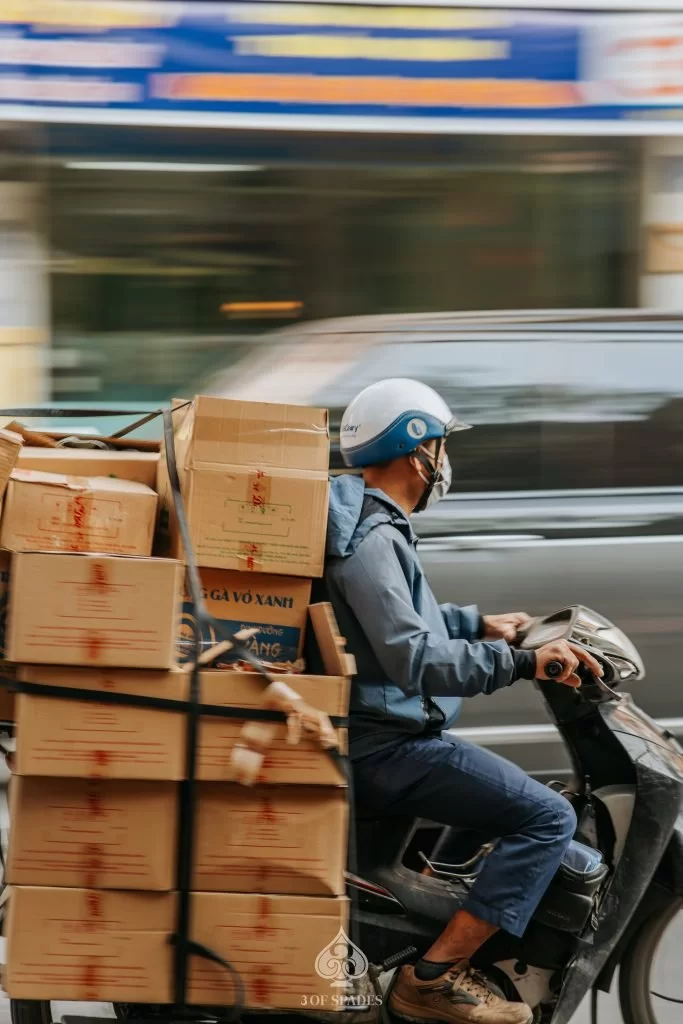
These risks are not unique to Vietnam and are generally considered manageable. Understanding them helps travelers navigate the country confidently while still enjoying the overall benefits of Vietnam safety 2026.
Why Vietnam Feels Safer Than Other Southeast Asian Destinations?
When comparing travel experiences across the region, many visitors feel that Vietnam offers a stronger sense of safety than some neighboring destinations. This perception is shaped by a combination of factors: lower levels of violent crime, strong political stability, and a cohesive social environment. Together, these elements create a travel experience that feels more grounded and predictable. As a result, Vietnam is increasingly recognized as one of the safest countries in Southeast Asia not just statistically, but experientially.
A Different Kind of Travel Memory in Vietnam
For many travelers, Vietnam leaves a lasting impression—not only because of its landscapes or food, but because of how it makes people feel. As travel becomes more personal, visitors are looking for ways to preserve their experiences beyond photos. They want something meaningful, something that represents their journey in a deeper way.
Why Travelers Choose 3 Of Spades Tattoo Studio in Hanoi?
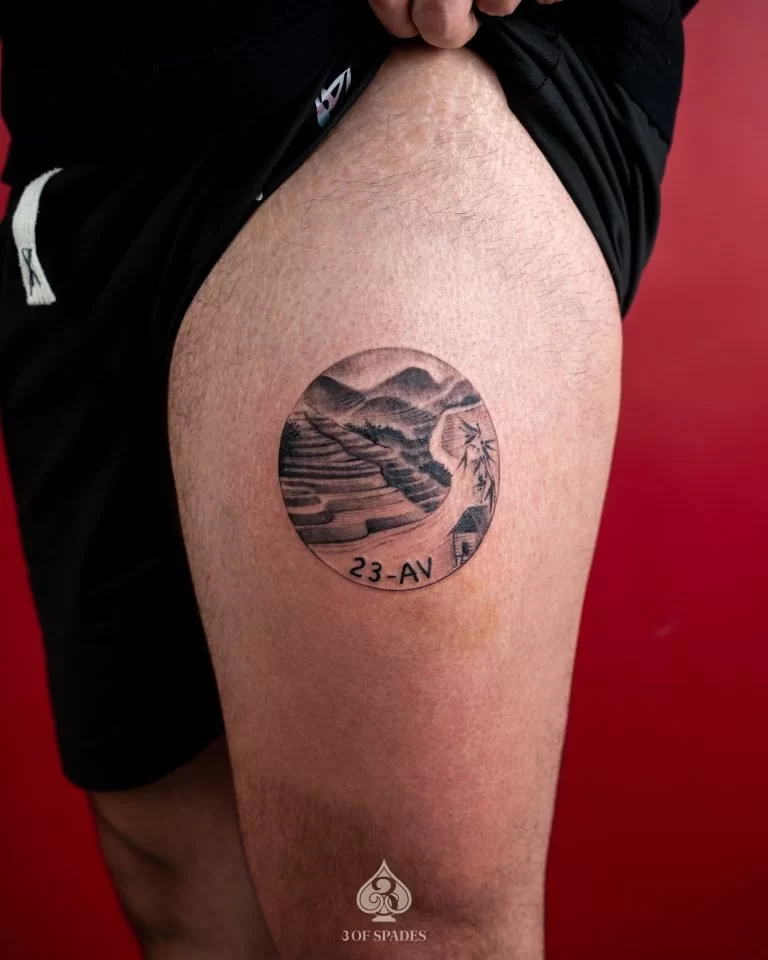
At 3 Of Spades Tattoo Studio in Hanoi, we’ve seen this shift firsthand. Many international visitors choose to transform their memories of Vietnam into something permanent—a tattoo that tells their story.
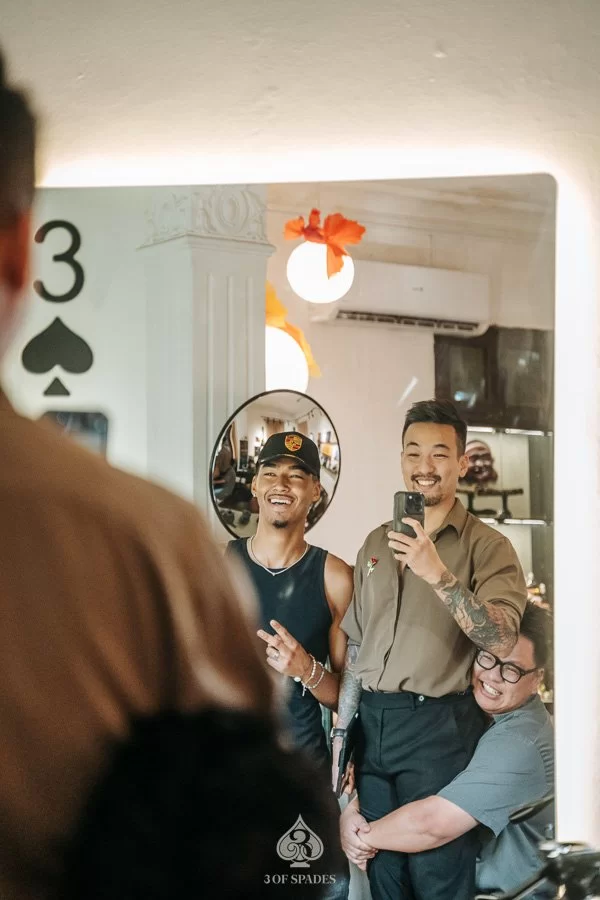
Located in the heart of Hanoi’s Old Quarter, 3 Of Spades is known for working with travelers from around the world. Our artists specialize in fine line, blackwork, and custom storytelling tattoos, helping each client create something personal and meaningful.
With a strong focus on hygiene, professionalism, and clear communication in English, we provide a safe and comfortable environment—something that aligns closely with the broader idea of Vietnam travel safety. For travelers who discover that Vietnam is not only safe, but deeply inspiring, this becomes a natural way to carry a part of the journey with them.
Final Thoughts: Is Vietnam the Safest Country in Southeast Asia?
So, is Vietnam safe for tourists? Based on global rankings, political stability, low crime rates, and real traveler experiences, Vietnam stands out as one of the safest countries in Southeast Asia today. More than just a destination, it offers peace of mind—a rare quality in modern travel. And for many visitors, that sense of safety becomes part of what makes Vietnam unforgettable.
Looking for the best tattoo experience in Hanoi?
At 3 Of Spades Tattoo Studio, we specialize in meaningful, custom tattoos created by professional artists in the heart of Hanoi’s Old Quarter.
Whether you’re traveling or local, first-timer or collector, our team is here to help bring your story to life through ink.
👉 Meet our artists | Browse our tattoo portfolio
👉 Book a consultation